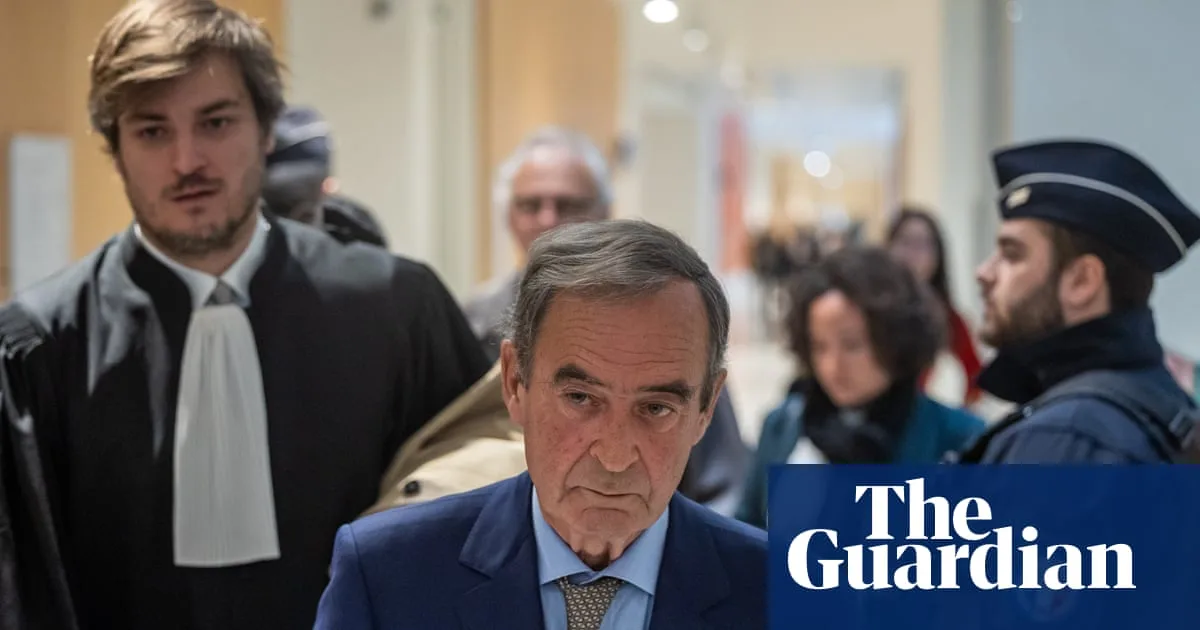
A French court has convicted cement giant Lafarge of financing terrorist organisations, including Islamic State (IS), to keep its Syrian plant operational during the country's civil war. The company was fined over €1 million (£870,000), and its former chief executive, Bruno Lafont, received a six-year prison sentence for his role in the scheme.
The Paris court found that Lafarge, now part of Swiss conglomerate Holcim, paid nearly €5.6 million via its subsidiary Lafarge Cement Syria (LCS) to armed groups and intermediaries between 2013 and 2014. The payments allowed the company to maintain operations at its factory in Jalabiya, northern Syria, while other multinational firms had withdrawn from the country.
Presiding judge Isabelle Prevost-Desprez stated that Lafarge established a 'genuine commercial partnership with IS', which contributed to the 'extreme gravity of the offences'. She noted that the financing enabled IS to gain control of Syria's natural resources and fund terrorist acts both regionally and abroad, particularly in Europe.
The case follows a 2022 US ruling in which Lafarge pleaded guilty to providing material support to designated terrorist organisations and agreed to pay a $778 million fine. In France, the company also faces an investigation for alleged complicity in crimes against humanity.
Former Syrian employees of Lafarge, who filed a complaint alongside advocacy groups Sherpa and the European Center for Constitutional and Human Rights, expressed disappointment that they have yet to receive compensation. They described daily life under threats from armed groups, including checkpoints and snipers, stating that Lafarge prioritised profit over their safety.
Lafont's lawyer confirmed he would appeal the sentence. Holcim, which acquired Lafarge in 2015, has denied any knowledge of the Syria dealings.