50th Anniversary of Herron Family IRA Bombing to Be Commemorated in Dromore
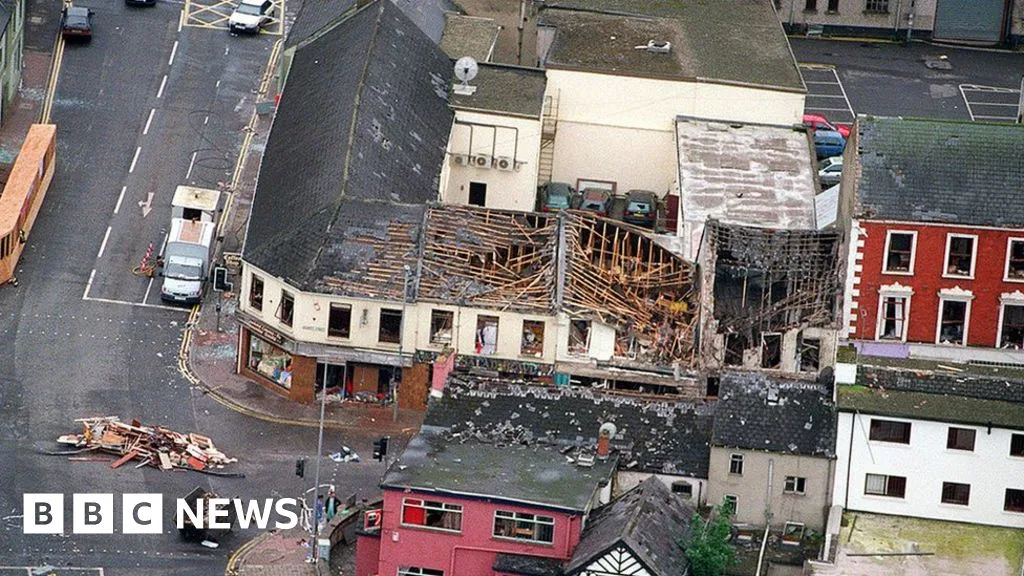
The surviving relatives of a father, mother, and daughter murdered in a Provisional IRA bomb attack in County Down fifty years ago have declared their wish for the victims to be remembered for their goodness and humanity, rather than solely for the tragic manner of their deaths. William Herron, aged 64, his wife Elizabeth, 58, and their youngest daughter Noeline, 26, perished when an explosive device detonated inside the family's drapery shop located in Dromore on April 7, 1976. The family had been residing in the living quarters above the business premises at the time of the devastating blast.
Memorial Events and Family Tributes
A series of commemorative activities will honour the Herron family, including a memorial parade, a solemn service of remembrance, and a wreath-laying ceremony scheduled for Tuesday evening in Dromore. Additionally, a special service will be conducted at Banbridge Road Presbyterian Church on Sunday, April 12. In an emotional statement, the Herron family described April 7, 1976, as a date permanently engraved in their collective memory and within the historical fabric of Dromore town itself.
The family emphasised: "On that date, three beloved members of our family were cruelly murdered by the Provisional IRA. They had no enemies that we ever knew of; they were respected members of the local community and were viewed as hardworking, loyal, and good neighbours to all." The murders sent profound shockwaves through a community that had, until that point, remained relatively untouched by the wider terrorist campaign of the era.
Remembering the Lives Lost
William Herron originally established the drapery business in Dromore and, upon expansion, purchased larger premises at the corner of the Square and Bridge Street, where the family subsequently moved into the accommodation above the shop. Over the following years, the drapery enterprise flourished, specialising in manufacturing band uniforms and other regalia. Elizabeth Herron maintained numerous interests beyond her role as a homemaker, including active participation in meals on wheels services. Noeline, the youngest of five siblings, was deeply involved in the family business, working in the Dromore shop which sold household goods, curtain materials, and various fabrics.
"As a family, we do not want them to be remembered solely for how they died; we want their goodness and humanity to be their enduring legacy," the statement continued. "It was never anyone’s right to target a family-owned business for reasons motivated by sectarian and ethnic hatred of difference."
Legal Proceedings and Unanswered Questions
Following a trial in 1981, one man and two teenage sisters were convicted and imprisoned for the murders. However, the two young women were released in 1985 after being granted Royal Prerogatives of Mercy. The Herron family expressed that the involvement of adolescents in such a horrific act "somehow makes this act of terrorism all the more difficult to process." Nevertheless, they remain clear that ultimate responsibility "rests with the puppet masters – those who ordered and/or directed them to do so," adding that others have never been held accountable for the crime.
The family has received support from the victims' group SEFF (South East Fermanagh Foundation). SEFF Director Kenny Donaldson stated that the murder of the three family members "remains shocking to this day." He noted, "The family were immensely well respected right across the community of Dromore and much further afield. They remain resolute and determined not to let terrorism define them, nor ever victor; they are a family who represent the best of human values."
Donaldson further highlighted the family's ongoing quest for answers, urging authorities to provide a more complete picture of events and to explain the rationale behind the Royal Prerogative of Mercy granted to the convicted women. The Herron family concluded by affirming that their loved ones will never be forgotten within the family, while hoping that future generations understand their story and the impact on Dromore, asserting that terrorism did not ultimately triumph nor permanently divide the community.






