Grand Jury Rejects Indictment in Fatal Shooting of US Citizen
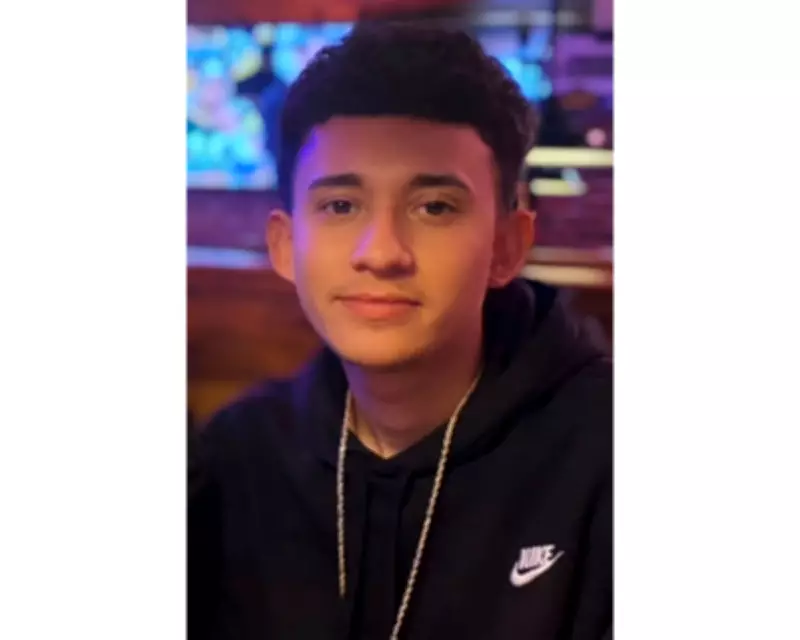
A grand jury has declined to issue an indictment against a police officer involved in the fatal shooting of a US citizen, a decision that has ignited widespread public controversy and renewed discussions about accountability within law enforcement agencies. The case, which unfolded earlier this year, centered on an incident where the officer discharged their firearm, resulting in the death of the individual, whose identity has been confirmed as a legal resident of the United States.
Details of the Incident and Legal Proceedings
The shooting occurred during a routine police operation in a suburban area, where authorities responded to reports of a disturbance. According to official statements, the officer perceived an imminent threat and resorted to lethal force, leading to the citizen's demise at the scene. Following the event, an internal investigation was launched by the police department, which was subsequently reviewed by prosecutors who presented evidence to the grand jury.
After deliberating on the facts presented, including witness testimonies and forensic reports, the grand jury concluded that there was insufficient evidence to support criminal charges against the officer. This outcome means that no formal indictment will be pursued, effectively halting further legal action in criminal court related to the shooting.

Public Reaction and Broader Implications
The decision has provoked strong reactions from various segments of the community, with advocacy groups and family members of the deceased expressing deep disappointment and calling for greater transparency in police conduct reviews. Critics argue that the grand jury process often shields officers from accountability, highlighting systemic issues in how such cases are handled.
In response, law enforcement officials have defended the grand jury's ruling, emphasizing the complexities of split-second decisions in high-pressure situations and the rigorous standards required for indictment. They have reiterated their commitment to public safety and ongoing training protocols to prevent similar incidents in the future.
This case adds to a growing national dialogue on police reform and the use of force, with policymakers and activists urging legislative changes to enhance oversight and ensure justice for victims. As debates continue, the community remains divided, underscoring the challenges in balancing officer safety with civil liberties.