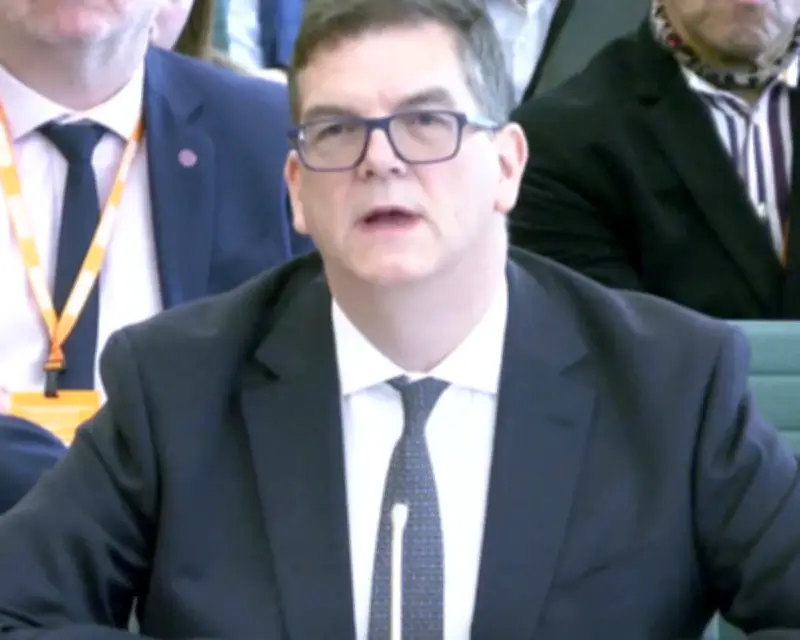
Olly Robbins, the former top civil servant at the Foreign Office who was dismissed by Prime Minister Keir Starmer over the Peter Mandelson security vetting scandal, has launched a legal challenge against his sacking. The FDA union representing Robbins confirmed that he has applied to the High Court for a judicial review of the prime minister's decision to remove him as the head of the diplomatic service.
The announcement comes three months after Starmer dismissed Robbins following a Guardian investigation that revealed Robbins had overruled a recommendation from UK Security Vetting (UKSV) to deny clearance for Mandelson. Mandelson was ultimately sacked as ambassador to the US after concerns emerged about his links to the convicted child sex offender Jeffrey Epstein.
Robbins' Legal Arguments
In his submission to the High Court, Robbins argues that Starmer had no statutory authority to dismiss him as the head of the diplomatic service and that there was no fair procedure or process at all in the dismissal. The submission also claims that Robbins was given irrational reasons for being fired. The FDA union stated that the sacking damaged the core values of professionalism and impartiality within the civil service, suggesting that senior officials could be dismissed on a prime ministerial whim without a fair process.
Robbins himself said in a statement: "I bring this action reluctantly. It would have been unnecessary if the prime minister had simply apologised for his mistake and made amends for the distress and cost it has caused me and my family. Instead, I now have to ask the courts to determine that the prime minister’s decisions were unlawful, unreasonable and to quash them."
Background and Fallout
At the time of his dismissal, Downing Street stated that Robbins had lost the confidence of Starmer and Foreign Secretary Yvette Cooper due to his handling of the Mandelson vetting. However, the Guardian later revealed that UKSV's concerns about Mandelson included his associations with senior figures in China, Russia, and Israel, and that his relationship with Epstein was not among the reasons for the denial. The FDA argued that Starmer should admit that sacking Robbins was a mistake, based on a misunderstanding of how the security vetting system works, and that it was a rash response to the Guardian's revelations.
There was strong support for Robbins within Whitehall, with senior civil servants believing he was effectively sacked for doing what No 10 wanted by swiftly passing Mandelson through vetting. The Commons Foreign Affairs Select Committee said last week that Robbins believed he was delivering the outcome that was wanted and concluded that his dismissal seemed to have been taken without full due process and the establishment of the facts.
Continuing Controversy
The Foreign Office has refused to hand over a summary of Mandelson's security vetting to the official tasked with compiling documents detailing his appointment as ambassador to the US, despite a Commons motion forcing the release of documents linked to the process. Questions remain about the defence Robbins mounted of his own actions and the system through which the national security establishment vets people, as well as the lack of mitigations put in place to address the security concerns.