Cuba Releases Over Two Thousand Prisoners in Pre-Holy Week Humanitarian Gesture
In a significant humanitarian move, the Cuban government has announced the release of 2,010 inmates from prisons across the nation. This decision, framed as a gesture of goodwill, comes just ahead of Holy Week, a period of religious observance and reflection for many Cubans.
Emotional Reunions Outside Prison Gates
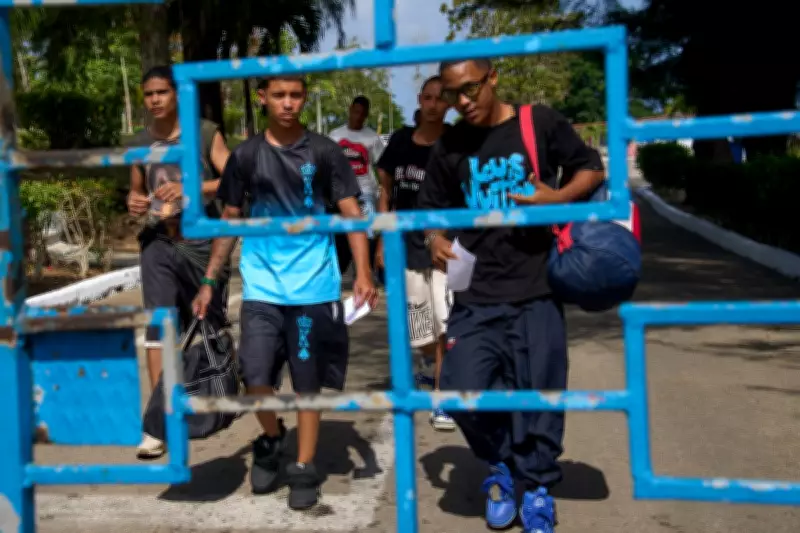
On Friday, poignant scenes unfolded outside various Cuban detention facilities as families eagerly awaited the arrival of their newly freed loved ones. Photographs captured the raw emotion of these reunions, with embraces and tears marking the moment of release. The images, curated by AP photo editors, provide a powerful visual narrative of the event.
The government described the mass release as a "humanitarian gesture," aimed at fostering a spirit of compassion and unity during the sacred Holy Week period. This initiative reflects a broader effort to address prison overcrowding and promote social reconciliation within the country.

Context and Implications of the Prisoner Release
The release of such a large number of prisoners is notable in the context of Cuba's criminal justice system. While the specific criteria for selecting the 2,010 inmates have not been fully disclosed, the move is seen as part of ongoing efforts to reform penal policies and reduce incarceration rates.
Observers suggest that this action may also serve to improve Cuba's international image, particularly regarding human rights concerns. By aligning the release with Holy Week, the government underscores its commitment to cultural and religious traditions, potentially garnering domestic support.
The emotional reunions highlight the personal impact of such policies, offering a glimpse into the lives affected by incarceration. As families celebrate their reunions, the broader implications for Cuba's social and legal landscape remain a topic of discussion among analysts and human rights advocates.