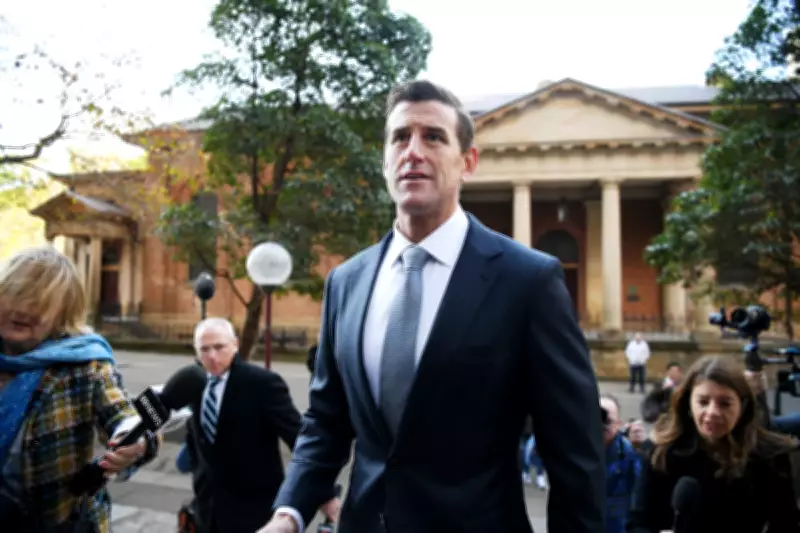
Ben Roberts-Smith Charged with War Crime Murders After Defamation Loss
Ben Roberts-Smith, a former Australian Special Air Service (SAS) soldier and Victoria Cross recipient, is now confronting a criminal trial after being charged with five counts of the war crime of murder. This development follows his unsuccessful defamation case against major media outlets in 2023, where he denied allegations of involvement in killing unarmed civilians during his service in Afghanistan.
On Wednesday, Roberts-Smith remained in jail after his legal team declined to apply for bail, marking a significant shift from the civil proceedings to a potential criminal prosecution that could result in severe penalties if convicted.
Differences Between Civil and Criminal Proceedings
The defamation case required media organisations to prove the truth of their allegations on the balance of probabilities, a civil standard of proof. In contrast, the criminal trial will demand a higher burden of proof: beyond reasonable doubt. Prosecutors from the Commonwealth Director of Public Prosecutions must establish that Roberts-Smith committed the offences intentionally, focusing on specific incidents rather than the broader allegations aired in the defamation trial.

Allegations in the Criminal Case
The criminal charges centre on five alleged murders across three separate incidents in Afghanistan between 2009 and 2012, occurring in Kakarak, Syahchow, and Darwan. According to the Australian Federal Police (AFP) Commissioner, Krissy Barrett, the victims were not enemy combatants but were detained, unarmed, and under the control of Australian Defence Force (ADF) members at the time of their deaths.
Professor Donald Rothwell, an international law expert, emphasised that these allegations hinge on the victims being civilians protected under international humanitarian law, distinguishing this from lawful combat scenarios.
Evidence and Investigative Challenges
Evidence for the criminal trial has been gathered through a joint investigation by the AFP and the Office of the Special Investigator (OSI), initiated in 2021. Ross Barnett, OSI's director of investigations, highlighted the difficulties, noting the inability to access crime scenes in Afghanistan, which hampers traditional forensic methods like postmortems or ballistic analysis. Investigators rely on limited photographs, ADF reports, and eyewitness testimonies, making the process exceptionally challenging.
While some evidence from the defamation case may be revisited, stricter evidence laws in criminal proceedings could limit its admissibility, with Roberts-Smith's lawyers likely to contest prejudicial material.
Next Steps and Potential Delays
The legal process is expected to be protracted, involving pretrial motions, jury selection issues due to extensive media coverage, and possible appeals on evidence admissibility. Roberts-Smith may seek a permanent stay of proceedings or file interlocutory applications, which could delay a potential jury trial in the New South Wales Supreme Court by many months.
This case underscores the complexities of prosecuting war crimes from conflicts abroad, balancing legal standards with the pursuit of justice for alleged atrocities.