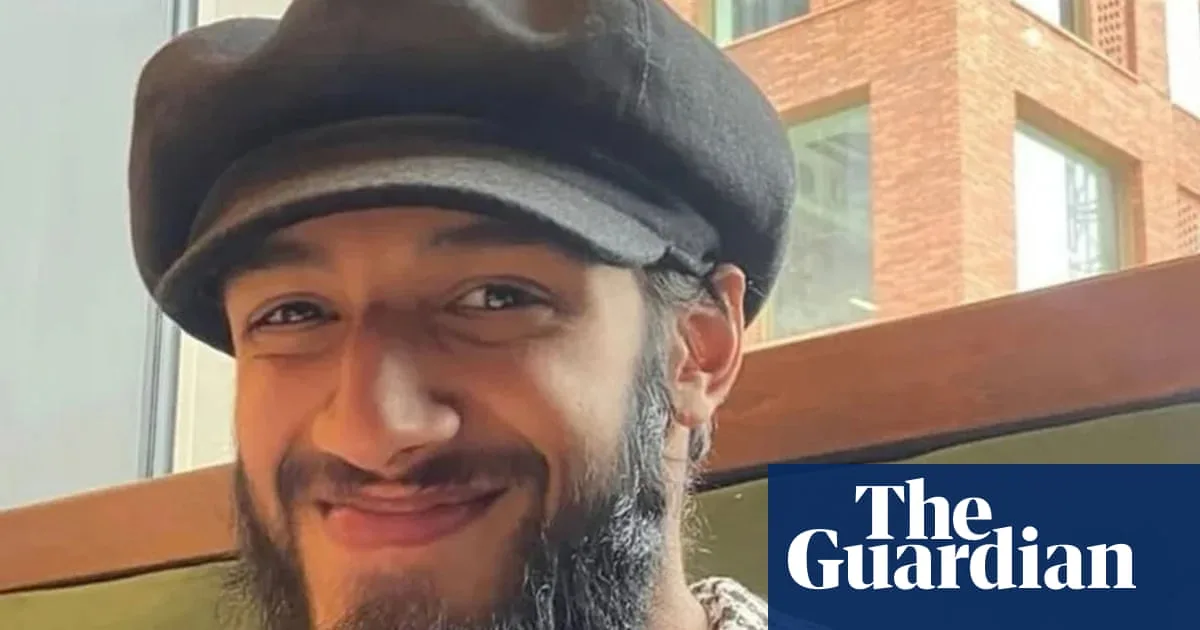
Umer Khalid, a 22-year-old prisoner, has ended his hunger strike after being hospitalised with organ failure, marking the conclusion of the last Palestine Action-affiliated protest of this kind.
Escalation to Thirst Strike and Medical Emergency
Khalid, who is being held at Wormwood Scrubs prison in west London, escalated his action on Friday by refusing water, in addition to food, raising serious concerns that he could die within days. This move came as part of a prolonged protest against the charges he faces and his treatment while in jail.
At a Prisoners for Palestine press conference on Tuesday, Saeed Taji Farouky, a British-Palestinian film-maker and educator, revealed that Khalid ended his protest on Sunday after being taken to intensive care due to organ failure.
"He’s agreed to the very slow, dangerous process of refeeding and he’s drinking again," said Farouky. "He was successful in his hunger strike. Most of his demands were accepted."
Demands Met and Allegations of Mistreatment
According to Prisoners for Palestine, Khalid has been granted a meeting with the prison governor. As a result, he has received his previously withheld post and clothes, and restrictions on his prison visits, which had been in place since he was imprisoned awaiting trial in July 2025, have been lifted.
Farouky claimed that Khalid had been grossly mistreated in prison, including having communications withheld, not being allowed to express his religion freely, and not receiving the medical care he required.
In a statement issued after his return to prison, Khalid said: "I am too strong, too loud, too powerful – and we as a collective are the same. I ask Allah to take my life when He is pleased with me, and not before. What has become clear is that there is no concern for our lives inside these cells. Until then, we keep resisting."
Background of the Hunger Strike and Health Condition
Khalid, who has a genetic condition called limb-girdle muscular dystrophy that causes weakness and wasting in muscles around joints, began refusing food in November last year. This was part of a coordinated action by eight Palestine Action-affiliated prisoners.
He paused after 12 days due to ill health but restarted on 10 January before escalating his action by also refusing water from 23 January.
Political Response and Calls for Inquiry
The Labour MP John McDonnell, who has previously spoken up for the prisoners in parliament, addressed Tuesday’s press conference. He called for a full inquiry into the treatment of these prisoners.
"I would like the secretary of state for justice, David Lammy, now to have a full inquiry into how these prisoners are being treated because I do believe most people will find it unacceptable that they’re on remand for so long and the way that they’ve been treated within prison itself," said McDonnell. "And that includes, I have to say, access to health facilities when some of them have been, I believe, in a dangerous plight."
Context of the Broader Protest
The eight prisoners are all charged with offences relating to alleged break-ins or criminal damage carried out on behalf of Palestine Action. They will all have spent over a year in jail before going to trial.
The final three prisoners, apart from Khalid, ended their protest on 14 January after the government decided not to award a £2bn contract to the UK subsidiary of the Israeli arms company Elbit Systems.
Their original main demands had included the right to a fair trial, the deproscription of Palestine Action, the closure of Elbit’s UK sites, an end to censorship of their communications, and immediate bail.
Prisoners for Palestine has stated that all these prisoners should be granted compassionate bail as they "have not been recovering well" from their ordeals.
The Ministry of Justice has been approached for comment on these developments and allegations.