A prolific fare dodger has walked free from court despite accumulating 112 convictions for train ticket evasion, in a case that highlights the persistent challenges of transport crime in Britain. Charles Brohiri, aged 29, was handed a three-month jail sentence, suspended for one year, after admitting to the extensive series of offences.
Brazen and Persistent Offending
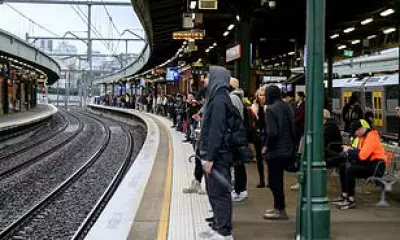
The court heard that Brohiri failed to pay rail fares valued at over £3,000 for journeys on Govia Thameslink Railway services. His offending spanned from February 2024 to November 2025, with some incidents occurring as recently as a Tuesday prior to the hearing. In sentencing, the judge described Brohiri's actions as "brazen and persistent", reflecting a pattern of deliberate evasion over many months.
Sentencing and Conditions
Despite the severity of the crimes, Brohiri avoided immediate imprisonment. Instead, he received a suspended sentence with strict conditions designed to address his behaviour and repay the debt to the railway operator. The court imposed the following requirements:

- Repayment of £3,629.60 in unpaid rail fares to Govia Thameslink Railway.
- Completion of 150 hours of unpaid work within the community.
- A 12-month prohibition from travelling on any GTR trains, effectively banning him from the services he exploited.
Defence and Mitigating Factors
Brohiri's defence team presented mitigating circumstances that influenced the court's decision. They stated that Brohiri has been homeless for several years, a factor that contributed to his inability to pay for train tickets. In court, he expressed genuine remorse for his actions and acknowledged the impact of his crimes.
Furthermore, his lawyers argued that probation could provide crucial support, helping him to secure stable accommodation and employment. The judge noted Brohiri's insight into his offending and the potential for rehabilitation through probation services, which played a key role in the suspended sentence.
Broader Implications for Transport Crime
This case underscores ongoing issues with fare evasion on Britain's railways, costing operators millions annually in lost revenue. While Brohiri's sentence includes financial restitution and a travel ban, it also raises questions about how the justice system balances punishment with rehabilitation for non-violent offences.
Authorities emphasise that fare dodging is a serious matter, as it undermines public transport funding and fairness for paying passengers. However, cases like Brohiri's highlight the complex social factors, such as homelessness, that can drive such behaviour, necessitating a nuanced approach in legal proceedings.