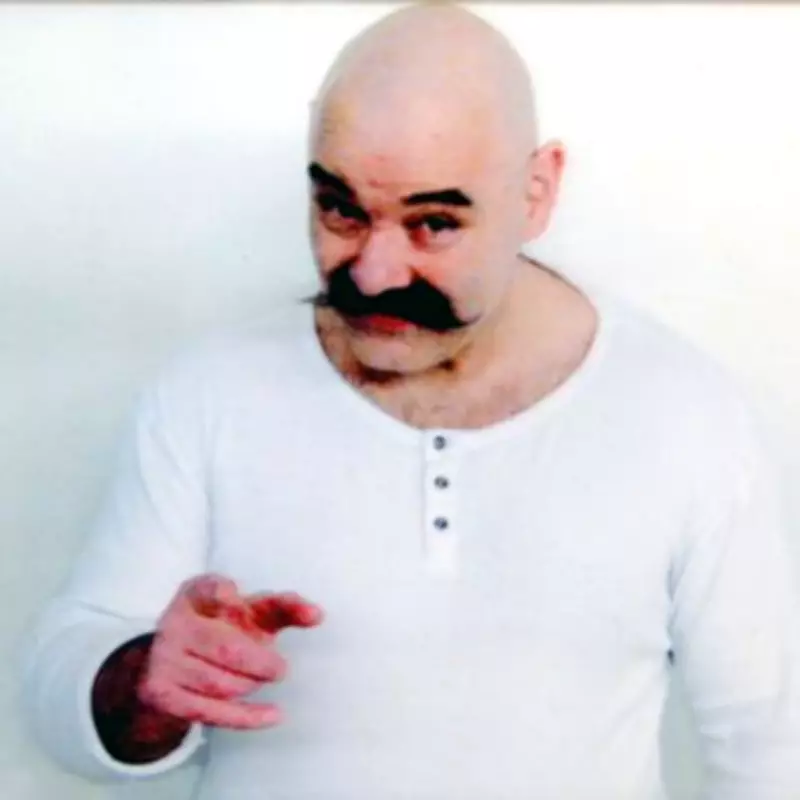
Charles Bronson's Emotional Video Call with Mother After a Decade Apart
Britain's most dangerous prisoner, Charles Bronson, has experienced a poignant reunion with his mother for the first time in ten years through a face-to-face video call. The notorious inmate, now 73 and known as Charles Arthur Salvador, displayed a softer side by performing the Al Jolson classic "My Mammy" during the call to his 95-year-old mother, Eira Peterson. He sang the heartfelt lyrics, "I'd walk a million miles, for one of your smiles, my Mammy," marking a rare moment of vulnerability for a man who has spent over five decades in custody.
A Decade of Separation and Emotional Turmoil
Bronson was first imprisoned in 1974 at the age of 21 for armed robbery, but repeated incidents of violence and hostage-taking have extended his sentence to life. His last in-person visit with his mother occurred a decade ago, and this week, authorities at Long Lartin maximum security prison in Worcestershire granted him a video call. A friend revealed that Bronson was extremely nervous beforehand, fearing he might break down in tears upon seeing his mother after so long. The call also stirred memories of their previous face-to-face meeting, which left him feeling broken and distraught as he was immediately returned to isolation afterward.
However, the friend added that after the recent call, Bronson was in a great mood, describing it as a fantastic experience for both him and his mother. He now hopes to repeat the call soon and expresses a simple desire: to give her a cuddle and make her a cup of tea. Despite his lengthy incarceration, much of it spent in solitary confinement, Bronson remains happy and cheerful, according to those close to him.

Parole Board Appeals and Legal Battles
Bronson has spent 52 years in jail and is preparing for his ninth appeal to the parole board in the coming weeks. The board has previously stated that due to his high-profile status, they will not allow an open and public hearing, a right Bronson insists upon. His friend explained that Bronson was understandably upset by this decision, as he believes he has made real progress since his last hearing three years ago. When his former legal team failed to overturn the ruling, Bronson fired them and signed a statement refusing to attend a closed hearing, which he deemed biased and unfair.
A new legal team has since been hired and has held a meeting with the parole board to present arguments for why an open hearing must be granted. The friend expressed hope that this will be scheduled soon, with the team making a strong case for Bronson's progression towards freedom, something that has been denied in the past without clear justification.
The Catch-22 Situation and Prison Challenges
Former prison governor John Podmore, who was in charge at Belmarsh, described Bronson's predicament as a "Catch-22" situation. During his parole hearing three years ago, the board acknowledged improvements in his behavior but concluded he was not ready for a move to an open prison. Despite recommendations to test his behavior in a less restrictive regime, he remains in Category A conditions.
Podmore believes that other inmates would likely provoke Bronson, making it difficult for him to demonstrate change. He highlighted the added challenges in today's prison system, including serious organised crime, drug issues, radicalisation, and general chaos, which he attributes to poor handling by governments of all colours. This environment, Podmore argues, increases the level of provocation Bronson faces tenfold compared to thirty years ago, further complicating his path to rehabilitation and potential release.