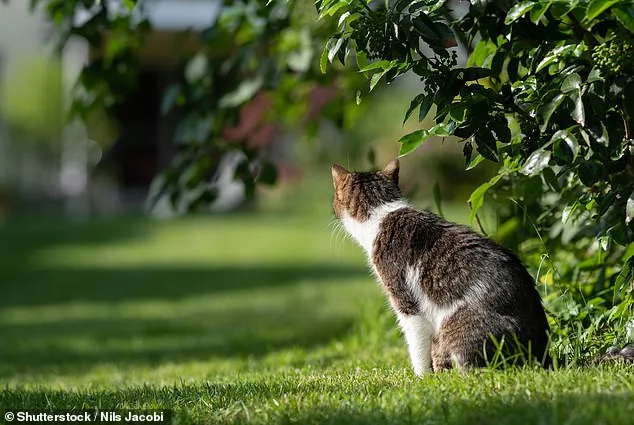
A homeowner has asked for advice after discovering cat faeces daily in her garden, lawn and flower beds. She recently moved into a country home with her husband and 17-month-old daughter, and the problem has become overwhelming. The neighbour has several cats, but other nearby homes also own felines, making it difficult to identify the culprit.
Jane Denton of This is Money notes that there are an estimated 12.5 million pet cats in Britain, so many people face this issue. Cats are territorial and may repeatedly visit the same garden. She suggests speaking to the immediate neighbour, who might offer tips or adjust their cat's litter arrangements.
Cat behaviour experts recommend several deterrents. Nicky Trevorrow of Cats Protection advises using strong smells like citrus peelings, cinnamon, or chicken manure on soil. Planting lavender, rosemary, or shrub roses can also repel cats. For larger gardens, covering bare soil with close-knit planting or obstacles like twigs may help.

Other methods include creating a designated toilet area with compost and sand for the cat, or disrupting the cat's visits by clapping hands or spraying water nearby. Trevorrow also warns that some deposits might be from foxes, especially in rural areas, and suggests setting up a wildlife camera to confirm.
Finally, ensure sand pits are covered when not in use, as they attract cats. If the problem persists, legal action is unlikely unless the cat causes damage or the owner refuses to control it, but the Environmental Protection Act 1990 may apply in extreme cases.