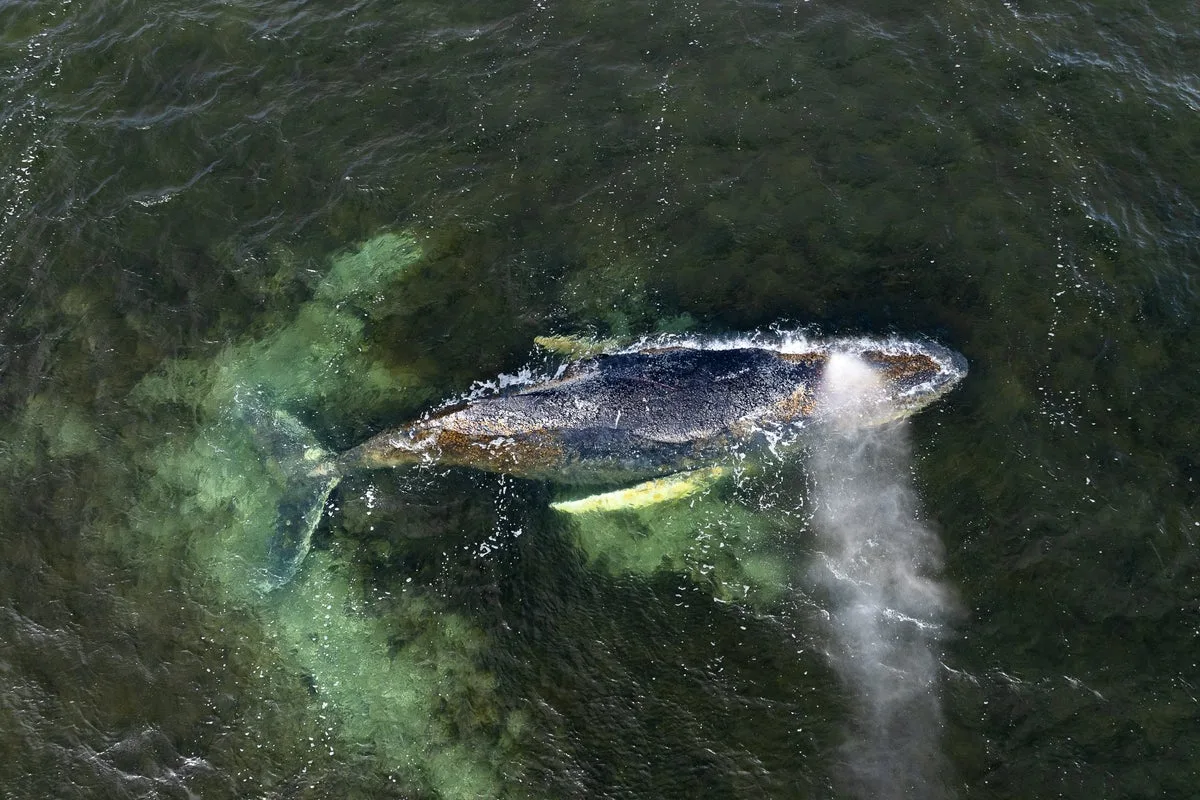
The carcass of a humpback whale, affectionately known as Timmy, was finally dragged onto a Danish beach on Saturday, two weeks after his death. The juvenile male had captivated the public in Germany and Denmark since his first sighting off the German coast on 3 March.
Timmy was found dead and stranded off the small Danish island of Anholt in the Kattegat strait on 14 May. His death ended a contentious rescue effort that culminated on 2 May with his transport by barge towards the North Sea in a final attempt to return him to his natural Atlantic habitat.
A GPS transmitter was attached before his release to track his movements. The Danish Environmental Protection Agency will conduct a necropsy this week to determine the cause of death. Danish outlet News5 broadcast the carcass being pulled ashore by a truck on the beach.

It remains unclear why Timmy entered the Baltic Sea, far from his usual habitat. Experts suggest he may have lost his way while following a shoal of herring or during migration. He repeatedly became stranded in shallow waters, showing signs of distress, irregular breathing, and days of near immobility.
Timmy also suffered from a skin condition due to the Baltic Sea's low salt content, for which rescuers applied zinc ointment. The rescue effort sparked debate about whether to intervene or let nature take its course. The German Oceanographic Museum expressed concerns about his fitness for return, stating, 'The chances of a successful rescue are very slim due to the animal’s poor state of health.' The operation was financed by two millionaires, including Karin Walter-Mommert.