Remote-Controlled Drones Deployed by Sydney Police to Chase Suspects 500km Away in Moree
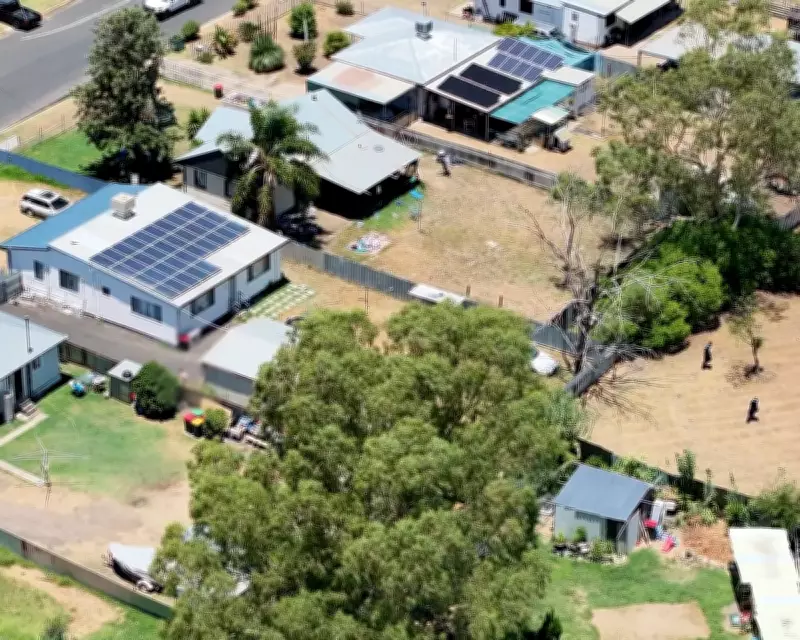
In a groundbreaking trial, New South Wales police are using remote-operated drones from Sydney to track and apprehend suspects over 500 kilometres away in the regional town of Moree. This initiative, dubbed "PolAir-Remote," marks an Australian first, with drones housed in self-contained boxes on the roof of Moree police station, launched and controlled remotely from the city.
Footage Reveals High-Tech Pursuit
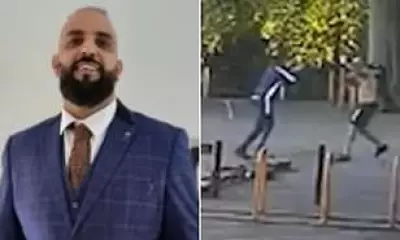
Captured footage shows a blurred figure, an alleged suspect, being chased by two police officers separated by a fence, all monitored via drone. The man, arrested in mid-January for an alleged machete attack, was tracked through backyards and over fences before being handcuffed, highlighting the drones' role in real-time law enforcement.
NSW police commissioner Mal Lanyon describes Moree as the "perfect location" for this trial due to its remoteness from Sydney, enabling efficient operations. Since early January, the drones have assisted in multiple arrests, including seven people in a four-day operation in February, with further "surge operations" planned.

Privacy Concerns and Civil Liberties Debates
Despite police assurances, legal experts and civil liberties advocates express deep concerns. The NSW Council for Civil Liberties president, Timothy Roberts, argues that drone use over residential areas constitutes surveillance, calling for transparency on data storage and deletion policies. Jonathan Hall Spence, principal solicitor at the Justice and Equity Centre, warns that the trial could exacerbate generational trauma in Moree's Aboriginal community, historically affected by segregation and racial discrimination.
Police minister Yasmin Catley insists the drones are a "tool in the toolbox" for combating youth crime, emphasizing cost-effectiveness and improved response times, with no intent for surveillance. However, critics question how privacy rights under the Surveillance Devices Act will be balanced with police investigations.
Community Reactions and Over-Policing Fears
Local opinions are divided. Moree mayor Susannah Pearse reports that many residents, "fed up" with high crime rates, welcome the drones as a sign of police action. Business owner Katrina McKenzie supports the trial but doubts its deterrent effect on youth crime.
Conversely, the Aboriginal Legal Service criticizes the choice of Moree, a town with a high Aboriginal population, for deploying "intrusive and untested technology." Principal solicitor Lauren Stefanou notes declining youth crime rates in Moree and warns that over-policing risks damaging police-community relations. Historical context adds weight, as police powers have often disproportionately targeted First Nations people.
Broader Implications and Future Rollouts
The trial's success could lead to expansion to other regional "hotspots" like Kempsey, also with significant Aboriginal populations. However, advocates stress the need for addressing root causes of crime through community-led initiatives, such as Just Reinvest NSW, which focuses on reducing Indigenous incarceration via local programs.
NSW youth minister Jihad Dib confirms statewide reductions in youth crime, while the government has committed $112 million to early intervention programs. Darrel Smith of Miyay Birray Youth Services acknowledges potential benefits but highlights distrust among First Nations people, urging that drones serve the entire community without targeting specific groups.
As the six-month trial progresses, the balance between innovative policing and civil liberties remains a contentious issue, with outcomes set to influence future law enforcement strategies across Australia.