South West Water has admitted to supplying water unfit for human consumption, an incident that left 10 people hospitalised after the company assured residents the water was safe to drink. The water utility now faces a substantial fine following a widespread outbreak of cryptosporidiosis, a waterborne parasitic infection causing severe diarrhoea, vomiting, and stomach cramps.
Timeline of the Outbreak
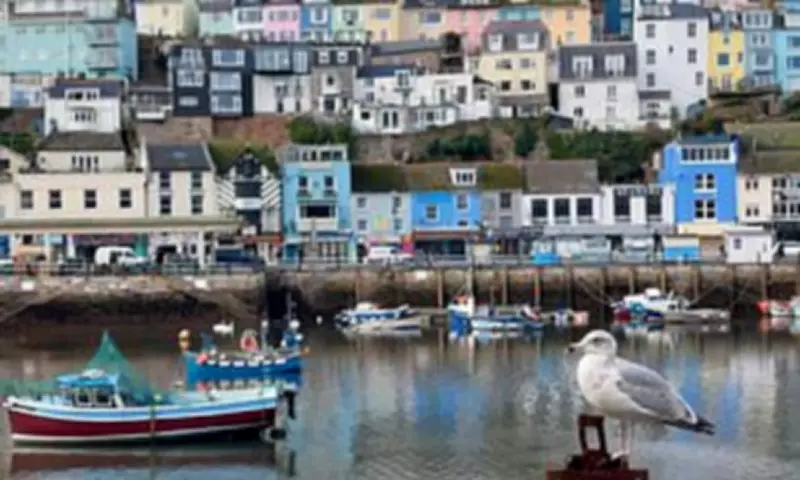
Despite confirmed cases of the parasite, South West Water initially told customers the water was safe. Just 24 hours later, on May 15, 2024, the firm advised approximately 17,000 households in Brixham, South Devon, to boil their water. The outbreak originated from an air valve contamination issue at Hillhead reservoir during the tourist season, as Exeter Magistrates Court heard.
Between March 31, 2024, and June 1, 2024, the water supplied to the Brixham area was deemed unfit for human consumption. The Drinking Water Inspectorate (DWI), which is prosecuting the case, stated that the Exeter-based company faces unlimited fines for what it described as a major incident.

Prosecution and Defence
Joseph Millington, prosecuting for the DWI, called the incident extremely high profile, impacting a significant number of people and undermining public confidence in the local water supply. He noted that workers discovered water bubbling from the ground and leaking from a faulty valve covered in mud at Hillhead.
Dominic Kay KC, representing South West Water, acknowledged that the company supplied water affected by cryptosporidium without its knowledge. He expressed genuine remorse and stated that two entry points were identified: a cross connection at a farm and a valve deliberately damaged by the disposal of a cover. The farmer admitted moving cattle to the field where the damaged air valve was located two weeks before the outbreak. Kay emphasised that South West Water takes full responsibility and is not making excuses.
Environmental Record
Since June 2014, South West Water has received 22 environmental charges, with 114 prior to that date. Notably, the company faced a similar charge for supplying unfit water in June 2018.
Impact on Residents
The outbreak caused long-term health effects and disrupted local tourism and school attendance. Victim impact statements described severe illness: one resident felt as if they had been beaten up, while a mother of an eight-year-old autistic boy was terrified when her son was readmitted to hospital after contracting the parasite. Despite initial treatment with drips and fluids, the boy lost weight and refused food, requiring three nights of hospitalisation.
Pensioner Howard Heather, who is diabetic, suffered violent diarrhoea and sickness that left him barely conscious, prompting his wife to call an ambulance. He warned that those with chronic illnesses could die if a similar incident occurred. Jo Byrne lost 13 pounds in three days, calling it the sickest she had ever been. Lisa Horswill continues to suffer pain and bloating, while her husband Kris, who has end-stage renal failure, believes the outbreak worsened his condition and now refuses to drink tap water, using special filters despite paying £600 annually in water rates.
Tanya Mitchell, one of the first to raise the alarm, still cannot use tap water and travels with bottled water. She checks for odour or cloudiness before using any tap water.
Local Liberal Democrat MP Caroline Voaden noted that cryptosporidium can be dangerous for those with pre-existing conditions, and the outbreak shattered public trust. She criticised the initial £15 compensation offer as inadequate given the widespread impact on work and children's health.
The Daily Mail has approached South West Water for comment.