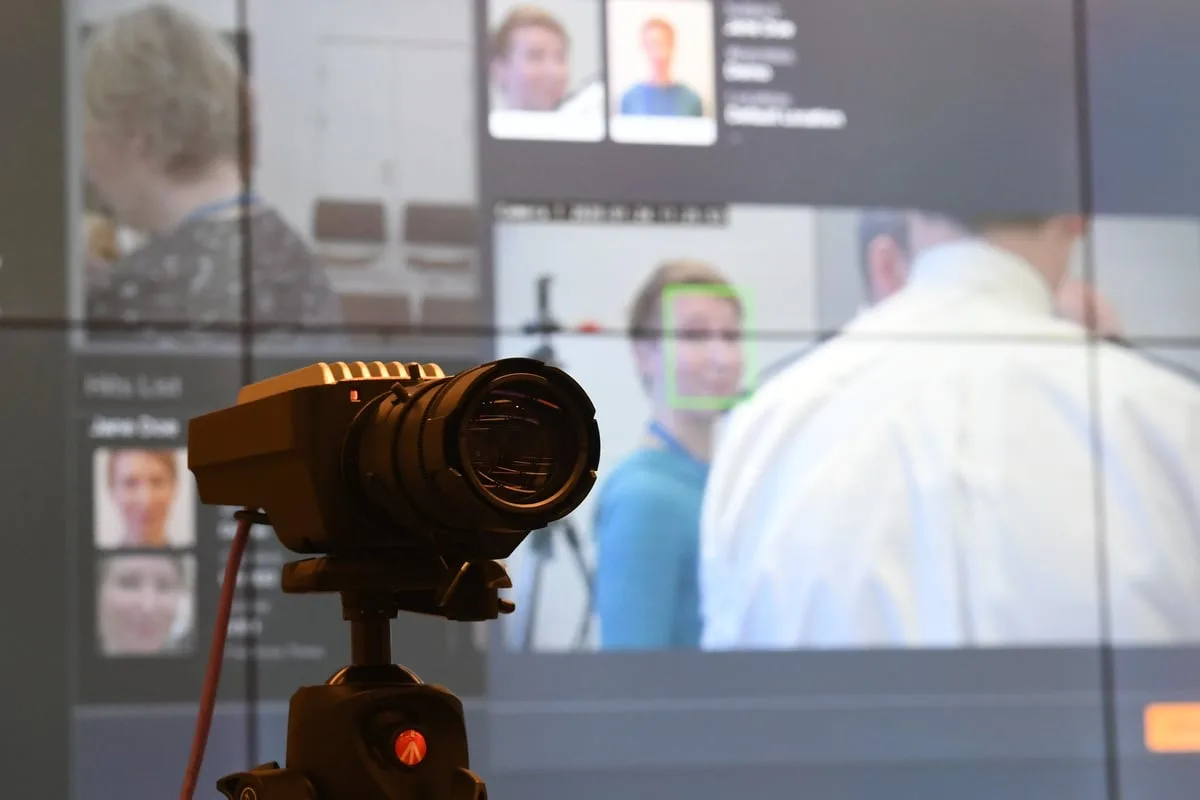
The Metropolitan Police have announced that they will deploy live facial recognition technology at this weekend's Unite the Kingdom demonstration in London, as they brace for what is expected to be one of the busiest days for policing in the capital in recent years.
Zero Tolerance Operation
Senior officers outlined a zero-tolerance operation of unprecedented scale, involving 4,000 officers at a cost of £4.5 million. Deputy Assistant Commissioner James Harman stated that swift and decisive action would be taken against disorder and hate speech. For the first time, conditions have been imposed making organisers responsible for ensuring speakers do not break the law by using events to platform unlawful extremism or hate speech.
Facial Recognition Deployment
Live facial recognition will be used in Camden, where Unite the Kingdom attendees are expected to gather, comparing faces of passers-by against a specific watchlist. This technology will not be used on pro-Palestine marchers. Harman emphasised that both speakers and organisers will face consequences if hate speech occurs, and police will intervene immediately.
Busy Weekend Ahead
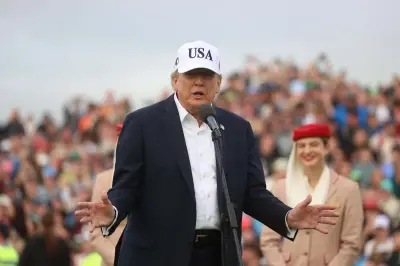
Tens of thousands are expected for the Unite the Kingdom rally in central London and the Nakba: 78 March for Palestine from South Kensington to central London. The FA Cup final at Wembley adds to the challenge. Armed police, dispersal powers, enhanced search capabilities, helicopters, drones, dog units, horses, and armoured vehicles will be available.
Concerns Over Hate Speech
Those calling for intifada or death to the IDF face arrest. Harman noted a sustained campaign of arson targeting Jewish Londoners and increased concern in Muslim communities. While many attend protests lawfully, arrests have been made for stirring up racial hatred and supporting terrorist organisations, leaving many Jewish Londoners feeling intimidated.
Regarding Unite the Kingdom, Harman highlighted anti-Muslim chanting and religiously aggravated offences. Last September's protest saw violence as protesters attacked police and tried to reach opposing groups, with over 50 outstanding suspects. Muslim and ethnic minority communities feel scared and avoid central London and transport hubs.
Operational Scale
The operation is unprecedented in recent years, planned for months, with routes designed to avoid intimidation and prevent protests clashing. Harman stressed that the public expects officers to act against antisemitism, anti-Muslim abuse, incitement to violence, or support for terrorists. Specialist investigators will work through the night if needed.
On the question of banning the events, Harman stated that the legal threshold for a ban is tightly prescribed and has not been met on this occasion.