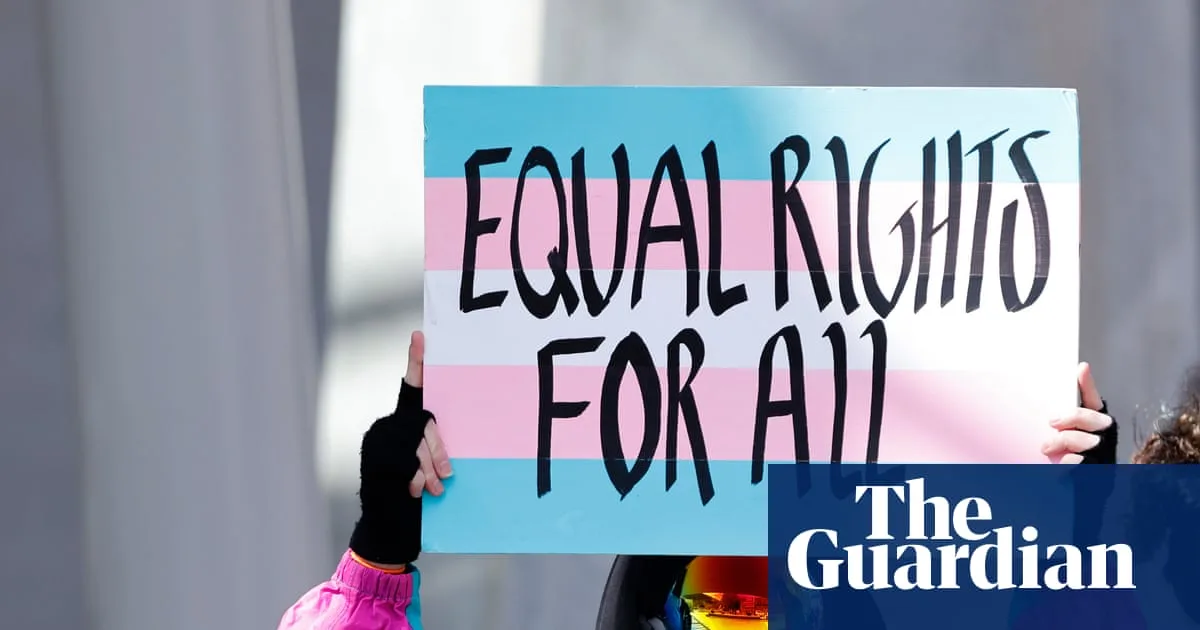
A Kansas judge has temporarily blocked a law banning gender-transition treatments for minors in the state, providing a major reprieve for families affected by the legislation. The state district judge Carl Folsom III granted an injunction requested by the parents of two teenagers who wish to continue gender-transition treatment with medicines. Folsom’s decision halts enforcement of the recently approved state law that prohibited such treatments.
Ruling Sides with Parents' Rights
In a ruling on Friday, the judge sided with the teens’ parents, who sued to halt the law, asserting their right to make decisions regarding their children's health, according to court documents and a statement from the American Civil Liberties Union (ACLU), which is representing the plaintiffs. “This is an enormous relief to our clients and families across the state of Kansas,” ACLU attorney Harper Seldin said in a statement.
Appeal Planned by State Attorney General
The Kansas attorney general, Kris W. Kobach, plans to appeal the decision, according to local media reports. If Folsom’s injunction is upheld, it will remain in effect for the duration of the lawsuit. Kobach, a Republican, called the ruling “a stark example of judicial activism,” as reported by the New York Times.
Background of the Law
The Kansas law, passed by the Republican-controlled state legislature in January over Democratic Governor Laura Kelly’s veto, prohibits gender-affirming medical treatments such as hormone therapies and puberty suppressants for transgender youth diagnosed with gender dysphoria. Although the U.S. Supreme Court last year ruled that states can ban gender-affirming care for minors, the lawsuit that prompted Friday’s injunction argues that the Kansas law violates the state constitution.
Judge Finds Substantial Likelihood of Success
Folsom, a Kelly appointee, sees a “substantial likelihood” that the lawsuit will succeed. “Specifically, the Court concludes that Plaintiffs are likely to prevail based on the right to personal autonomy set out in Section 1 of the Kansas Constitution Bill of Rights and a parent’s fundamental right to make medical decisions for their children,” Folsom wrote.