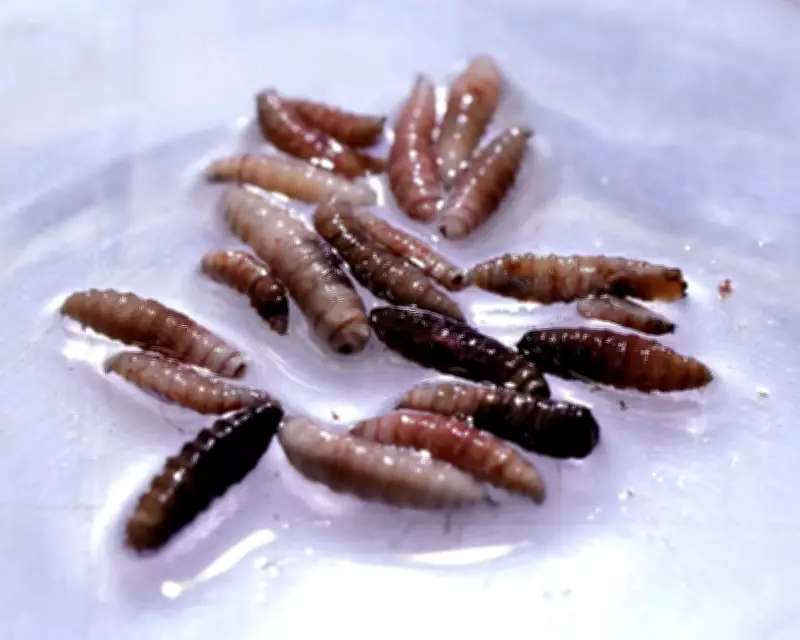
Alarm has spread across the US livestock industry after a flesh-eating parasite, unseen in the country for six decades, was discovered in a calf in Texas. Agriculture officials confirmed the presence of the New World screwworm fly (NWS) in an animal located approximately 50 miles from the Mexico border, as announced by Agriculture Secretary Brooke Rollins late Wednesday.
Parasite's Threat and History
The screwworm fly larvae feed on the blood of warm-blooded animals, posing a low risk to humans but capable of rapid spread among concentrated cattle and livestock populations. Eradicated from the US in the 1970s after causing tens of millions of dollars in losses, its potential resurgence comes at a time of record-high food prices, particularly for beef.
For over a year, the US Department of Agriculture (USDA) and Texas officials have warned livestock owners about the parasite's advance across Mexico. Texas Agriculture Commissioner Sid Miller expressed concern, stating that despite the USDA's efforts, the screwworm has advanced over 1,100 miles from southern Mexico to Texas.

Response and Containment
Rollins defended the USDA's actions, asserting there is no threat of mass infestation and that the Texas case is isolated, the first confirmed detection in the state since 1966. In August 2025, a case was reported in a Maryland resident who had traveled to El Salvador, but the victim recovered without further transmission. The last outbreak in the Florida Keys in 2016 was contained early the following year.
Female screwworm flies lay eggs in open wounds of cattle and other animals; hatched larvae feed on blood and flesh, leading to death if untreated. In March, Rollins announced a partnership with the Army Corps of Engineers and Mortenson Construction to build a sterile fly production facility in Edinburg, Texas, to combat the spread.
Sterile Fly Technique
Female screwworm flies mate only once in their lives, and eggs from sterile fly partners do not hatch, significantly reducing the population over time. Miller urged the Trump administration to deploy the Screwworm Adult Suppression System (SWASS), which uses attractants, bait, and targeted insecticides before releasing sterile flies. He emphasized that the USDA already has the playbook and must act before the situation worsens.
Past eradication efforts led to the closure of US sterile fly breeding facilities, leaving only one in Panama for decades. In Mexico, high treatment costs have forced ranchers to use crude methods like applying gasoline or lime to wounds.