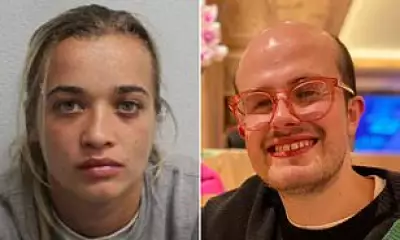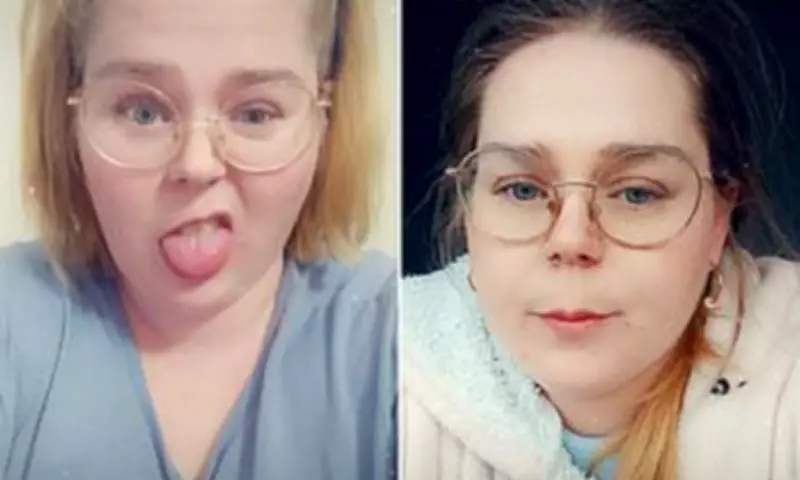
A romance fraudster who systematically conned lonely men out of more than £8,000 through Facebook dating platforms has been sentenced to prison. Leonnie Robson, a 35-year-old mother-of-six from Great Yarmouth in Norfolk, targeted nine vulnerable victims over a 14-month period between March 2024 and May of last year.
Systematic Deception and Emotional Manipulation
Robson employed a calculated strategy of emotional manipulation, spinning elaborate lies to extract money from her victims. She falsely claimed to be suffering from cancer, stated her daughter had died by suicide, and invented stories about fleeing domestic violence or needing chemotherapy treatment. In one particularly egregious case, she convinced a man to hand over his last £1.07 – the entirety of his remaining funds.
Pattern of Exploitation
The fraudster’s method followed a consistent pattern: she would meet men on Facebook dating sites, move conversations to WhatsApp, and then begin requesting small sums of money ranging from £10 to £20. These requests would gradually escalate, with Robson fabricating excuses about why she couldn’t repay the loans. Once the money was transferred to her account, she would block victims who began asking questions.

Total losses amounted to £8,176, with individual victims giving amounts as high as £3,000. One man was pressured to empty his entire bank account, while another was asked for money just 14 minutes after their initial online meeting. None of the stolen funds have been recovered.
Criminal History and Discovery
Robson was on licence at the time of these offences, having recently completed a second prison term for fraud. She has an extensive criminal record with 33 previous convictions for 87 offences, including 31 prior fraud cases.
The scam was uncovered when a carer for one of the victims reported concerns about money being sent to someone met online. This report prompted Norfolk Police to investigate, leading to the identification of additional victims.
Court Proceedings and Sentencing
At Norwich Crown Court, Robson admitted to five counts of fraud and asked for two additional offences committed last summer to be taken into consideration. Prosecutor Simon Gladwell detailed how she had told a "range of lies" to dupe men into gifting her cash, including false claims about needing money for food, fuel, utility bills, and children’s birthday presents.
Judge Alice Robinson sentenced Robson to two years and nine weeks in prison, noting that the defendant wept in the dock upon learning her fate. The judge described the offending as "extremely serious" and involving "significant planning" that had a "serious detrimental impact" on victims.
Victim Impact Statements
The emotional toll on victims was profound, as revealed in their impact statements. One man expressed: "I thought I’d finally found love and now to realise it was all a lie is so hard to process. I want to find someone to share my life with, but I just can’t open myself up to the pain of this happening again."
Another victim stated: "Losing this money sucks, but the thing that hurts the most is the confirmation I’m not wanted unless I can be taken advantage of. How am I meant to believe and trust people now in the future?"
A third man described becoming a "recluse" after the fraud, removing himself from online dating despite battling loneliness. "My confidence has been knocked," he said, "and where I was willing to meet someone new, I feel that perhaps being alone is a better option."
Defence and Police Response
Defence barrister Martin Ivory said his client "regrets what she set about doing" and noted that her guilty pleas represented her best mitigation. He explained that Robson, who had previously struggled with heroin and cocaine addiction, accepted being "mean" but denied specifically targeting vulnerable individuals, claiming her actions were motivated by "strained finances."

PC Sally Anderson, who led the Norfolk Police investigation, commented after the hearing: "Robson repeatedly identified ways she could emotionally control and manipulate her victims, all while she was already on licence for defrauding people. Romance fraud is a particularly callous offence because not only do fraudsters inflict financial loss on their victims, they also cause an enormous amount of emotional hurt and pain."
She encouraged potential victims to report such crimes without embarrassment, advising: "Never send money, share bank details, or invest in crypto based on advice from someone you have only met online, regardless of how convincing their story is."