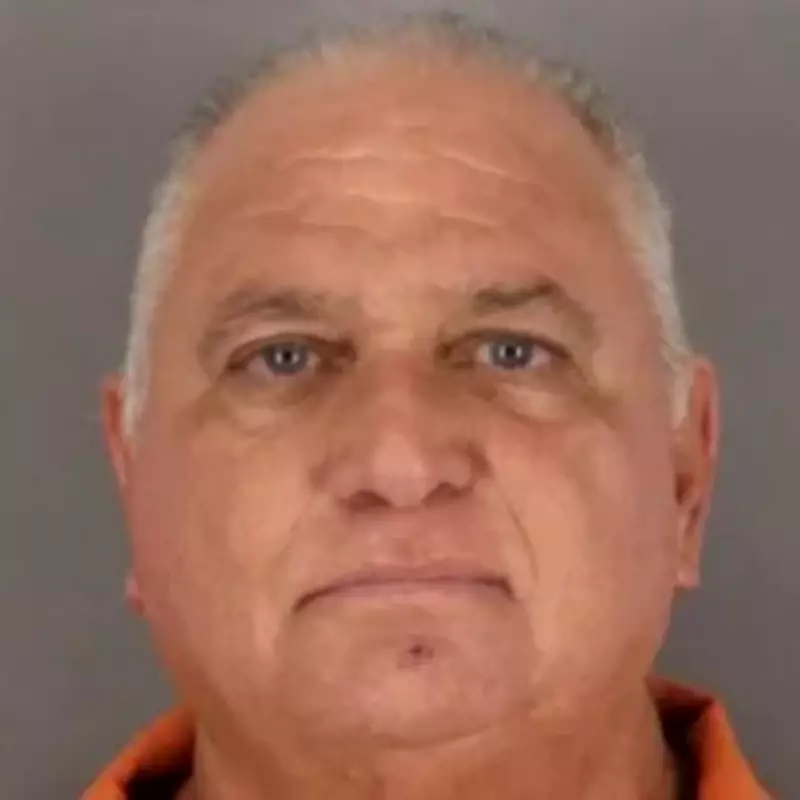
When police began investigating the disappearance of Kimberly Langwell in 1999, they could not have anticipated the grim discovery that would emerge 25 years later. Her ex-boyfriend, Terry Rose, had shot her in the head and concealed her body in a cavity beneath his bedroom floor, living above her remains for two decades with his new partner.
The Disappearance
Kimberly Langwell, a 34-year-old mother from Beaumont, Texas, had recently ended a six-year relationship with Terry Rose. She had moved on with a new partner, Ken Weatherford, and was building a fresh future for herself and her 15-year-old daughter Tiffani. On July 9, 1999, after leaving work, Kimberly told her daughter she would stop by Rose's house to help with some remodeling before heading home for dinner. She never arrived.
At 10:30 PM, Kimberly's car was found abandoned in a pharmacy parking lot with her keys and handbag inside, but her mobile phone was missing. Despite extensive searches and investigations, no trace of Kimberly was found. Rose was the prime suspect, but he provided an alibi, claiming Kimberly had visited briefly and that he had later played pool with a friend, David Wiley, who corroborated his story.

The Cold Case Breakthrough
For 24 years, the case remained unsolved. In April 2024, police intensified pressure on David Wiley, who eventually agreed to speak in exchange for immunity. Wiley revealed that on the day of Kimberly's disappearance, Rose had called him to pick him up from a car park where Kimberly's car was found. The next day, Rose confessed to shooting Kimberly in the head and hiding her body under his bedroom floor.
Police obtained a search warrant for Rose's home, where he still lived with his common-law wife, Violet. Ground penetrating radar revealed a hollow space beneath the bedroom floor. When officers broke open the tiles, they discovered human remains wrapped in a blanket, with a gunshot wound to the back of the head. Kimberly had been there all along, while Rose slept above her.
The Trial and Sentencing
In 2025, Rose accepted a plea deal, pleading guilty to murder in exchange for a maximum 40-year sentence with no right to appeal. During the sentencing hearing, a recorded jail phone call was played in which Rose told his son, "I'm not like a psychopath... I had a bad day, I dealt with it wrong." He also made disturbing threats against Tiffani.
Tiffani delivered a victim impact statement, describing her mother as "vibrant, witty, and fiercely protective." She spoke of the milestones overshadowed by her mother's absence: birthdays, graduations, the births of her own children. "Knowing what my mother's final moments must have been like is terrifying. The reality that she was buried beneath this man's house all of these years, held captive even in death, is unbearable."
The judge, sentencing Rose to 40 years, remarked, "The fact on that phone call that you said you're not a psychopath... Who isn't a psychopath that kills someone they once cared about and buries them in their house and lives on top of them for 25 years?" She expressed regret that the plea deal prevented a trial, believing a jury would have imposed a life sentence. Rose, now 68, will be eligible for parole after serving half his sentence.