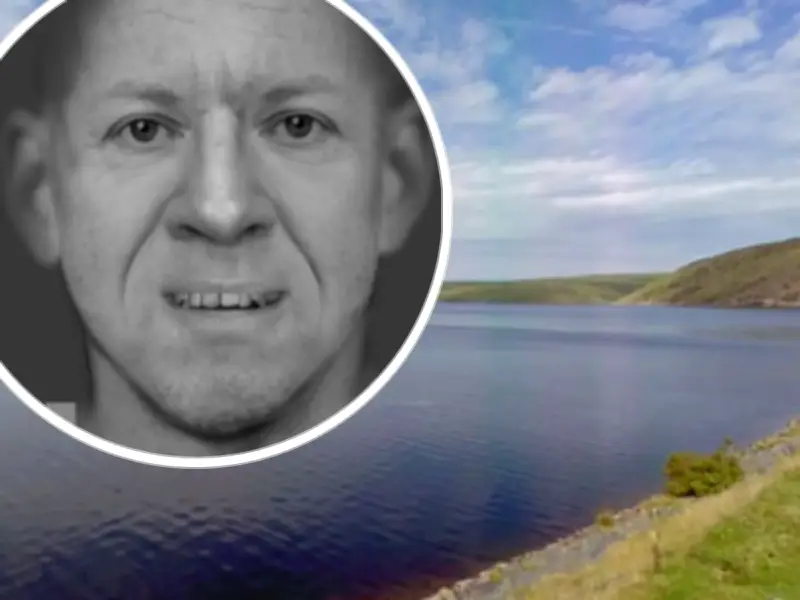
Fresh DNA evidence could be used to identify a man whose body was found in a Welsh reservoir two years ago, a court has heard. The man, wearing a wetsuit, was discovered by a dog walker on October 18, 2024, at Claerwen Reservoir in Powys, but despite extensive investigations, officers have yet to identify him.
An inquest hearing at Pontypridd Coroners' Court on Thursday was adjourned to allow for further forensic testing. Area coroner Patricia Morgan acknowledged that this was an "unusual case".
Ancestry-Based DNA Links Explored
The court heard evidence suggesting the man may not have been of white ethnicity. Police revealed they are now exploring ancestry-based DNA links after extensive efforts to establish his identity failed. A potential name was found on the tag attached to his wetsuit, but it could not be enhanced enough to be readable.
Police sergeant Horlock, one of the first officers on the scene, described difficulties emergency services faced in reaching the body due to the geographical location. A police drone was used to find the dog walker who made the call. The body was found on its back, face up, floating on the water at what was described as a "natural wash up point". The head was "badly decomposed" and the body was "pale, almost yellow looking". No personal belongings were found on the man or in the area.
Forensic Examinations and Police Investigation
Dr Sally Andrews, who carried out a forensic dental examination, found the man, thought to be between 40 and 60, would have had a "striking appearance" with a strong jaw and overcrowded teeth. He had been maintaining very poor dental hygiene for years and had longstanding gum disease.
Detective inspector Anthea Ponting from Dyfed-Powys Police told the court that despite extensive enquiries, including fingerprint and DNA analysis, CCTV evidence, fitness tracking and media appeals, the man is yet to be identified. The force commissioned a facial reconstruction with Face Lab at Liverpool John Moores University, which was prioritised over wider DNA enquiries as it was deemed most likely to lead to quick identification.
DI Ponting revealed a possible development through "familial DNA", which is being discussed with the senior investigating officer and will be "reviewed and taken forward". She added that any result could still prove inconclusive and take a lengthy period of time.
Inquest Adjourned Pending Liver Sample Analysis
Forensic pathologist Dr Stephen Leadbeatter said the length of time the body had been in the water made post-mortem investigations imprecise. He could not determine whether the man died before or after entering the water, and found no obvious physical injury or natural disease. He estimated the body had been in the water between three weeks and three months, admitting this could be wrong. Liver samples had been retained for analysis.
Ms Morgan adjourned the inquest until the liver samples are analysed. She said she is aware these investigations are unlikely to lead to any cause of death being ascertained, but the results may help her form a conclusion.