Sicily Revokes Historic Mondello Beach Concession Over Mafia Links
Regional authorities in Sicily have taken the dramatic step of revoking a century-old concession for Mondello beach in Palermo, citing serious concerns over mafia infiltration. This decision follows an investigation that revealed links between a subcontractor and organised crime figures, casting a shadow over one of Europe's most picturesque coastal destinations.
A Century of Controversy Comes to an End
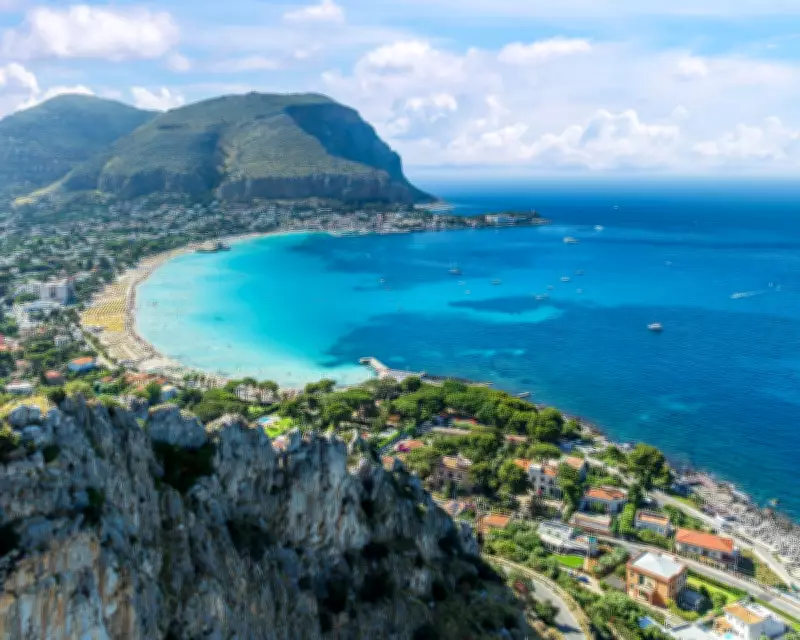
Mondello beach, celebrated for its turquoise waters, white sandy shores, and stunning mountain backdrop framed by 19th-century villas, has long been at the centre of controversy. For nearly one hundred years, residents and tourists have complained that private lidos, cabins, and deckchairs have severely limited public access to this iconic shoreline.
The revocation order specifically targets Italo Belga, the company that has controlled Mondello beach for the entire century-long period. Sicilian authorities determined that while no specific concerns had emerged regarding Italo Belga's senior management, the company had demonstrated a "systematic willingness to employ individuals close to the mafia" by outsourcing maintenance work to a firm with organised crime connections.

Mafia Links Uncovered Through Investigation
The decision follows an inquiry by regional MP Ismaele La Vardera and reporting in La Repubblica newspaper, which revealed that individuals working for subcontractor GM Edil had relatives who were members of Cosa Nostra, the Sicilian mafia that controls the Mondello area. La Vardera, who was subsequently given police protection due to the sensitivity of his investigation, expressed profound emotion following the revocation.
"After almost a year of battles and personal sacrifices, today we can finally write the word 'end'," La Vardera stated. "After more than 100 years, Italo-Belga no longer holds the concession for Mondello beach. This proves we were right to fight: today the rule of law prevails, along with that part of Sicily that says no to abuse of power. And Palermo wins too, because the beach is returned to its citizens."
Company Response and Legal Considerations
Italo Belga has strongly denied having any dealings with mafia figures, and its managers are not under investigation for mafia-related offences. The company maintains it was unaware that employees of its subcontractor had familial links to the mafia and that it has always operated "in full compliance with the law."
In November, Italo Belga announced it had already severed ties with GM Edil after the prefect of Palermo, a representative of the interior ministry, flagged the risk of criminal infiltration. The company stated at the time that any relationship with the subcontractor had been "definitively terminated" following an anti-mafia interdiction order.
Italo Belga has indicated it is considering filing appeals against the revocation order and may bring legal action in administrative tribunals to challenge the decision.
Broader Context of Italian Beach Concessions
The revocation occurs against a backdrop of growing complaints from Italians across the country about soaring prices charged by beach concession holders. For decades, renting the same cabin, sun bed, and parasol each summer has been a cherished ritual of Italian holiday culture, but last season witnessed a marked decline in visitor numbers.
Private beach resorts along Italy's extensive coastlines reported declines of between 15% and 25% in June and July compared with the same period in 2024. Outside the quieter autumn and winter months, only small portions of Mondello beach remained accessible to the public, forcing beachgoers unwilling or unable to pay for private amenities to crowd at the water's edge.
Uncertain Future for Mondello Beach
The future of Mondello beach now hangs in the balance as Palermo's city council must decide how to proceed following the revocation. Council members will examine the order and determine whether to launch a new tender inviting other companies to manage the shoreline or to leave the beach entirely public, potentially ending a century of private control.

This decision represents a significant moment in Sicily's ongoing struggle against organised crime influence in public life and commercial enterprises. The outcome could set important precedents for how authorities handle similar situations involving historic concessions and criminal infiltration risks across Italy's extensive coastline.