A sophisticated criminal gang employed drones to smuggle drugs, mobile phones, Sim cards, and a knife into prisons across London and the South East on seventy separate occasions, a court has heard. Seven men have admitted their involvement in what prosecutors described as a 'serious, organised and prolific enterprise' designed to supply contraband, including cannabis, knives, and other illicit items, directly to inmates.
Operation Details and Prison Targets
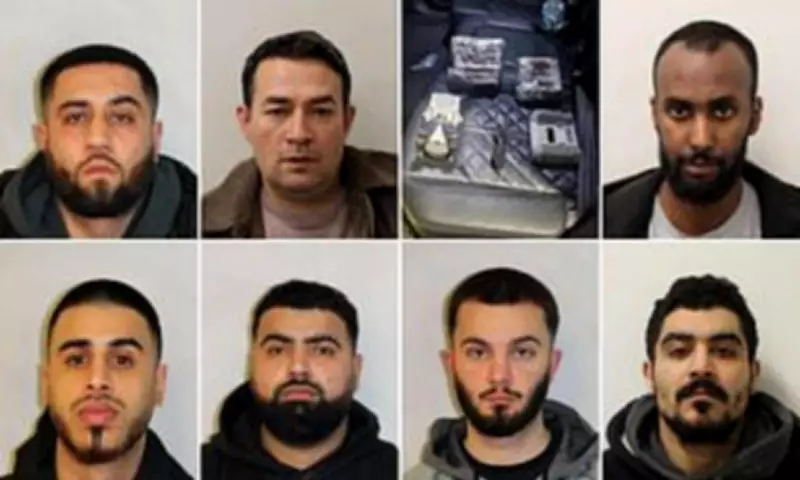
The defendants, identified as Shafaghatullah Mohseni, 29, Hashim Al-Hussaini, 28, Mohammed Hamoud, 22, Faiz Salah, 29, Zahar Essaghi, 51, Mustafa Ibrahim, 30, and Emanuel Fisniku, 25, appeared at Harrow Crown Court, sitting at Hendon Magistrates' Court in Edgware, for a sentencing hearing that began on Monday. The gang's modus operandi involved driving to prison facilities, often during the early hours of the morning, and using drones to fly packages filled with contraband through cell windows.
Prosecutor Sam Barker told the court that the group targeted at least nine prisons, including Wormwood Scrubs, Brixton, and Pentonville. Between December 2, 2024, and February 26, 2025, they visited prisons seventy times and operated approximately 140 drone flights in total. The Metropolitan Police stated that this gang was responsible for a staggering 75% of all drone drops into London prisons during this period.

Key Incidents and Arrests
One notable incident occurred when a drone crashed into a woman's back garden near HMP Wandsworth. The woman reported that a man knocked on her door in the early hours to retrieve it, but she refused to hand it over. In a separate operation, officers arrested Mohseni, Al-Hussaini, Hamoud, and Fisniku on February 26 last year as they were driving to HMP Norwich for a drop, following a tip-off about a knife being smuggled.
Police discovered a JD Sports bag in their vehicle containing a drone, a knife, and two packages with phones and cannabis. The prosecution highlighted Mohseni's central role, describing him as the 'grand delivery driver' involved in all seventy drone drops. Mr Barker asserted, 'It is reasonable to infer that he was responsible for every single flight taken.'
Financial Network and Motives
The court heard that prisoners' relatives sent large sums of money to Mohseni to pay for the smuggled items. According to Mr Barker, Mohseni received £26,785 from fourteen individuals directly linked to serving inmates at prisons where he was delivering contraband. He was at the centre of a 'web of financial transfers,' using the funds to pay his co-conspirators.
Defence barrister Michael McAlinden stated that Mohseni began offending as a means to pay off his debts. The gang was apprehended as part of Operation Buzzbin, a Metropolitan Police investigation focusing on drones being used to smuggle drugs, phones, USB sticks, and other contraband into prisons.
Charges and Contraband Types
The prosecution accepted that the defendants 'may not have been aware' that a flick knife was inside one of the packages they flew, as they might not have packed them themselves. Consequently, a charge of conspiring to convey a knife into prison was dropped. In addition to cannabis, the defendants smuggled prescription medications such as Xanax and Valium.
All seven men remain in custody ahead of their sentencing, which is set to conclude on Tuesday morning. Mohseni is from Edgware, Salah and Essaghi from north-west London, Ibrahim from Harrow Weald, Fisniku from Islington, and Al-Hussaini and Hamoud from Harrow.
Broader Concerns and Official Warnings
In July last year, the chief inspector of prisons, Charlie Taylor, issued a warning about the increased risk drones pose for smuggling drugs into prisons. Mr Taylor emphasised, 'There is a level of risk that's posed by drones that I think is different from what we've seen in the past. What I'd like to see is that the prison service really gets a grip of this issue and we'd like to see the Government, security services coming together, using technology, using intelligence, so that this risk doesn't materialise.'
This case underscores the growing challenge of drone-enabled smuggling within the prison system, highlighting the need for enhanced security measures and coordinated efforts to combat such organised criminal activities.