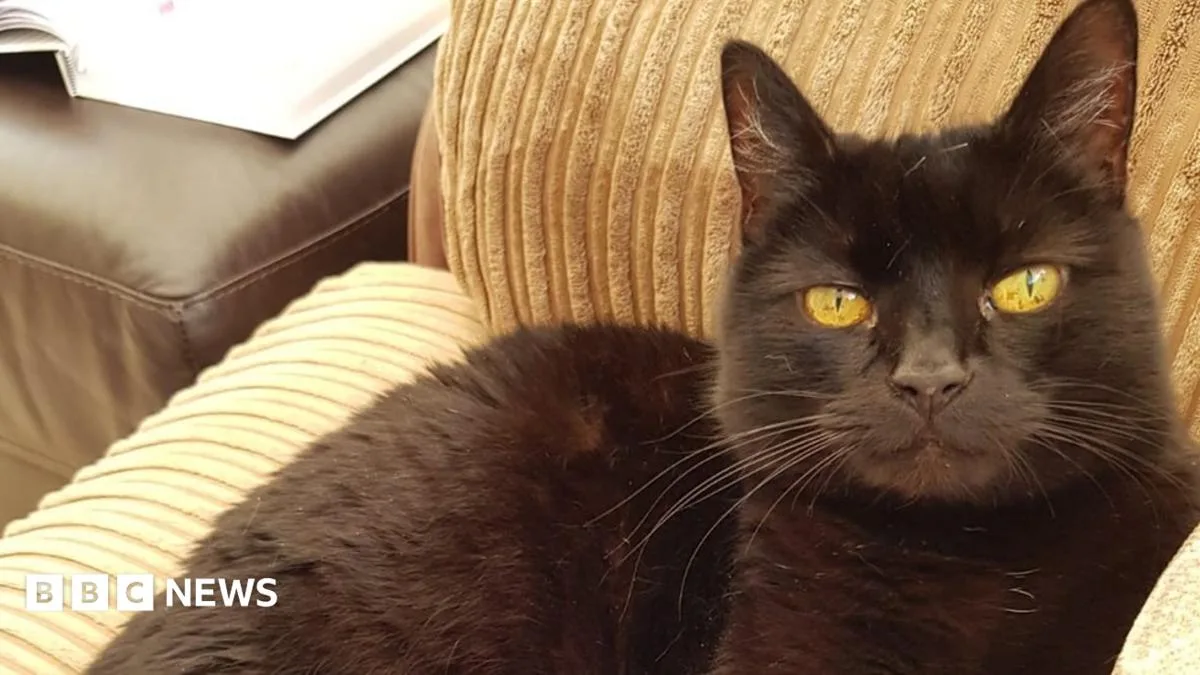
Neighbour Discovers Abandoned Cat After Hearing Noises in Empty Property
Woman Finds Neighbour's Cat Left Behind After Eviction

Neighbour's Discovery of Abandoned Cat Sparks Animal Welfare Concerns

A woman experienced a profound shock after investigating strange noises emanating from her neighbour's recently vacated property, only to discover they had left their pet cat behind. The incident, which unfolded shortly after the neighbours were evicted, highlights the distressing consequences of pet abandonment and the community efforts required to address such situations.

The Unsettling Sounds from Next Door

Jeeno, a social media user, reported that her neighbours had been "kicked out" of their residence two days prior. She observed that the windows of the property had been boarded up, indicating a swift departure. However, her concern grew when she began hearing noises coming from the garden of the empty house. Upon investigation, she was floored to find a cat that had been left behind by the departing residents.

In a video shared on TikTok, Jeeno explained the situation, stating, "My neighbours got kicked out two days ago, and they left their cat behind." The discovery prompted immediate action, as she feared for the animal's wellbeing, especially with chilly night temperatures posing a risk.

Wide Pickt banner — collaborative shopping lists app for Telegram, phone mockup with grocery list

Immediate Care and Seeking Guidance

Jeeno quickly took steps to ensure the cat's safety, providing it with chicken and creating a makeshift shelter in her garden using blankets and a cardboard box. Initially hesitant to bring the cat indoors due to her own pet dog, she contacted the RSPCA for advice. Unable to secure an immediate visit from the charity, she decided to sneak the feline into her home to protect it from the cold.

The following day, Jeeno updated her followers, revealing she had also reached out to Battersea Cats and Dogs Home. They advised checking if the cat was microchipped, which could facilitate a swift reunion with its owners. When the RSPCA eventually visited, they confirmed the cat was not microchipped, classifying it as a stray.

Successful Reunion Through Collaboration

Jeeno then consulted her local council regarding policies on stray cats. Through coordinated efforts between the council and the RSPCA, contact details for the neighbours were obtained. "The council gave the RSPCA the contact details for my neighbours. They contacted them, and within a couple of hours, my neighbours came to my house and got the cat," Jeeno explained, resulting in a happy reunion.

Guidance for Handling Stray or Lost Cats

This incident underscores the importance of proper procedures when encountering stray animals. The RSPCA, as a charity with limited resources, notes it cannot respond to calls about healthy stray cats, focusing instead on cases of cruelty or neglect. However, they offer practical tips for those who find a stray, feral, or lost cat:

  • Check for a collar or tag with owner details—approach only if the cat is calm.
  • Ask locally, as cats often roam widely and may be mistaken for strays.
  • Contact a vet to scan for a microchip.
  • Advertise on social media and register the found cat on Animal Search UK.
  • If no owner is found, consider rehoming the cat yourself or contacting reputable organisations like local RSPCA centres or Cats Protection.

For further information, individuals are encouraged to visit the RSPCA website. This story serves as a reminder of the responsibilities pet owners hold and the community's role in safeguarding animal welfare.

Pickt after-article banner — collaborative shopping lists app with family illustration