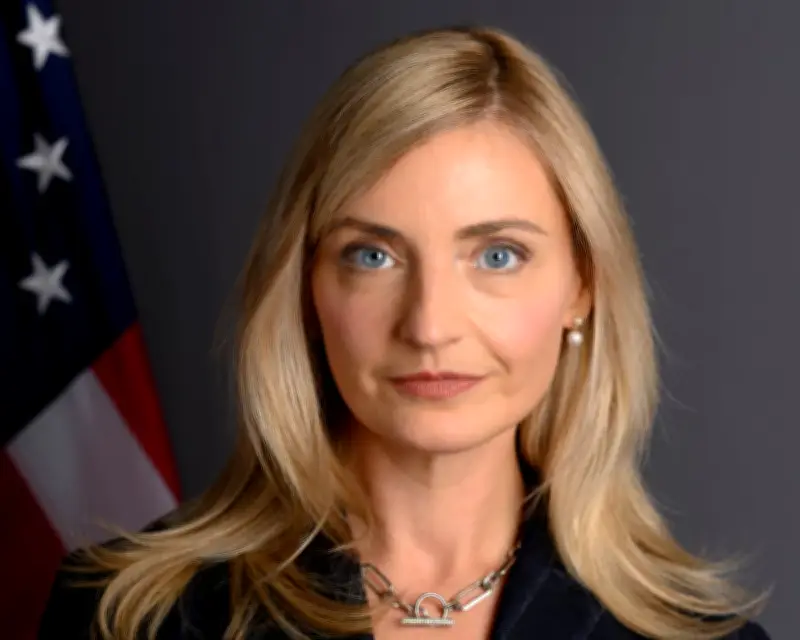
Sarah Rogers, a prominent free speech advocate, has claimed that recent arrests in the UK for alleged hate speech or offensive comments are unjustified and represent a dangerous trend of police overreach. In a statement released on June 26, 2026, Rogers argued that the arrests are chilling legitimate expression and could have a detrimental effect on public discourse.
Details of the Arrests
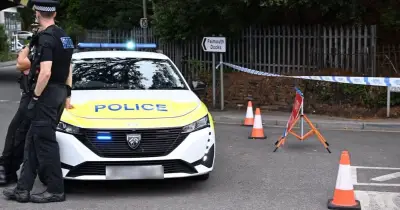
According to Rogers, at least 12 individuals have been arrested in the past month across England and Wales for comments made online or in public spaces. The arrests were made under the Public Order Act and the Malicious Communications Act, which have been used to target speech that authorities deem offensive or threatening. Rogers claims that many of the comments did not meet the threshold for criminality and were merely controversial or unpopular.
Impact on Free Speech
Rogers warned that such actions could create a chilling effect, discouraging people from expressing opinions for fear of legal repercussions. “When people see others being arrested for simply speaking their mind, it sends a message that free speech is not protected in the UK,” she said. “This is a slippery slope that undermines our democratic values.”
Police Response
The National Police Chiefs’ Council (NPCC) defended the arrests, stating that they were necessary to protect individuals from harassment and to maintain public order. A spokesperson said, “We take all reports of hate crime and malicious communications seriously. Our officers act within the law to ensure that speech does not incite violence or cause significant distress.”
Statistical Context
Data from the Home Office shows that hate crime prosecutions in England and Wales have risen by 15% in the past year, with a total of 8,450 cases in 2025. However, critics argue that the increase reflects over-policing of speech rather than a genuine rise in hatred.
Broader Implications
Legal experts have weighed in, noting that the balance between free speech and protection from harm is delicate. Professor Jane Smith of the University of Oxford stated, “While the law allows for restrictions on speech that is likely to cause harassment or distress, there is concern that these powers are being used too broadly. The threshold for criminality should be high to protect democratic debate.”