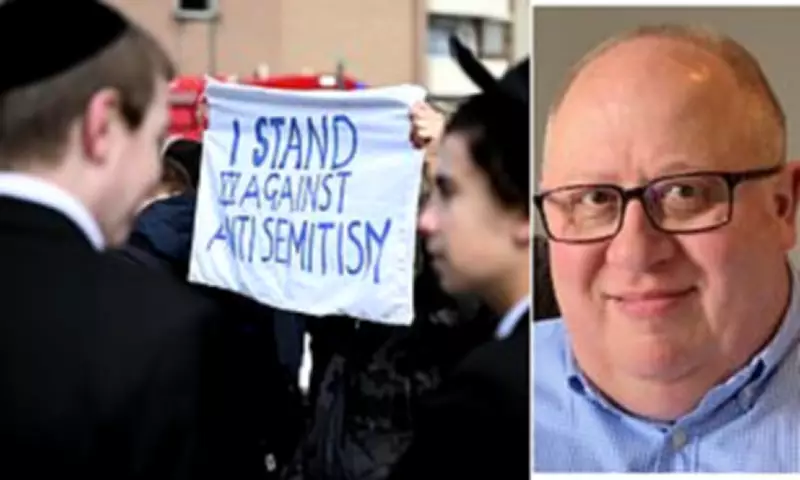
Arson Attack on Jewish Ambulances Fuels Fears Over Rising UK Anti-Semitism
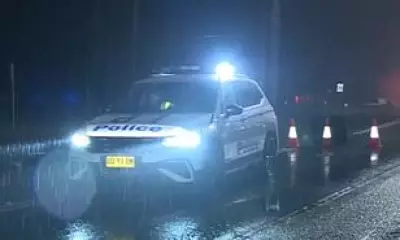
The deliberate arson attack on ambulances operated by the Jewish charity Hatzola Northwest, situated outside a synagogue in Golders Green, represents the latest deeply disturbing indicator of the rapid acceleration of anti-Semitism across Britain. For Jewish citizens, this incident marks yet another step toward a potential red line—a critical event that could signal the necessity of leaving the United Kingdom entirely. While that threshold has not been reached yet, a single, pervasive conversation now dominates the Jewish community: is it still safe for us to remain here?
Community Conversations Amid Celebration and Fear
Recently, I attended my nephew's wedding, a typically joyous occasion filled with celebration. However, much of the discussion among guests inevitably turned to the troubling realities beyond our festive bubble. This follows a series of alarming events, including the fatal attack on a synagogue in Manchester during October and the terrorist massacre that claimed 15 lives at Bondi Beach in Australia in December.
Fortunately, no injuries resulted from the Golders Green arson. Nevertheless, the brazen level of Jew-hate now openly displayed in our nation means that Jewish individuals increasingly expect to face attacks. When demonstrators chant phrases like 'globalise the intifada' during what are accurately described as hate marches, they are explicitly calling for the targeting of Jews to be expanded worldwide. This terminology directly references the intifadas in Israel, where Palestinian terrorists systematically murdered Israeli Jews.

Inadequate Law Enforcement and Political Responses
For over two years, we have witnessed police forces effectively standing by while anti-Semitic chants and banners are paraded through British streets. On the rare occasions when officers do intervene, the Crown Prosecution Service frequently declines to take action. A prime example occurred during last week's Al Quds Day demonstration. Although the Home Secretary banned the annual march by supporters of the Iranian regime—previously known for openly embracing terrorist groups and anti-Semitic slogans—the only change was that Tehran's supporters had to remain stationary rather than march, still freely spreading their toxic rhetoric.
The Iranian-backed organisation Harakat Ashab al-Yamin al-Islamiyya has claimed responsibility for the Golders Green attack, as it has for similar assaults in Liege, Rotterdam, and Amsterdam. In response, both the Mayor of London and the Prime Minister issued the usual platitudes following serious anti-Semitic incidents, asserting that there is no place for anti-Semitism in Britain and that it will not be tolerated. Such statements ring hollow when hatred is visibly rampant on our streets daily.
Normalisation of Anti-Semitic Tropes and Discrimination
Jew-hate has alarmingly become the norm. For instance, the day before the ambulance attack, police were notified about an art exhibition in Margate, Kent, featuring vile drawings. One depicted two auctioneers at Sotheby's—owned by a French-Israeli businessman—eating babies with blood dripping from their dagger-like teeth. This is a classic anti-Semitic trope portraying Jews as baby-eating demons, yet the artist, Matthew Collings, insultingly claims the drawing does not explicitly mention Jews. More concerningly, police adopted a similarly myopic stance, dismissing the images as mere criticism of the Israeli state and arguing that because some Israelis are Jewish, it does not constitute anti-Semitism.
A recent survey revealed that one in five students would refuse to share a house with a Jewish person. Meanwhile, calls for 'Zionist-free' towns and universities have become so widespread they barely make headlines. It is crucial to understand that using the term 'Zionist' instead of 'Jew' does not alter the meaning; given that the overwhelming majority of Jews are Zionists—simply believing in Israel's right to exist—a demand for anything to be Zionist-free effectively means making it Jew-free. Later this month, the Green Party is set to debate and likely pass a motion barring anyone who accepts Israel's right to exist from membership.

Social Media Amplification and Community Impact
Following the arson attack, social media platforms exacerbated the spread of Jew-hate. Former British ambassador Craig Murray posted an obscene calumny suggesting the incident was a 'false flag' operation by Israel to garner sympathy. More widespread were posts attacking the Hatzola ambulance service as exclusive to Jews, a particularly wounding falsehood. In reality, Hatzola—like St John Ambulance—serves everyone. It is a commendable charity staffed and funded by the Jewish community but utilised by all, making the attack senselessly harmful to the entire community.
For British Jews, however, there is a chilling significance. Each fresh anti-Semitic incident is described as a wake-up call, yet consistently, nothing substantive changes. Consequently, Jews across the country are now urgently asking: what comes next? The escalating threats and inadequate responses have created an atmosphere of profound uncertainty and fear, forcing a critical reevaluation of safety and belonging in the United Kingdom.