Every week, hundreds of millions worldwide gather for peaceful worship, yet this fundamental right to sanctuary is increasingly being shattered by deadly violence. Recent incidents, including an attack on a synagogue in Manchester, England, and two churches in the United States, echo a disturbing pattern seen previously at mosques in New Zealand, a synagogue in Pennsylvania, and a Sikh temple in Wisconsin.
Such acts inevitably fuel heightened anxiety and fear among religious leaders and their congregations worldwide. Despite bolstered security measures and increased vigilance among worshippers, a profound question persists: can faith communities truly find peace and safety when gathering to worship?
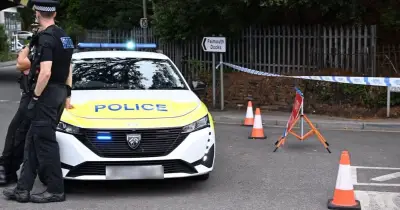
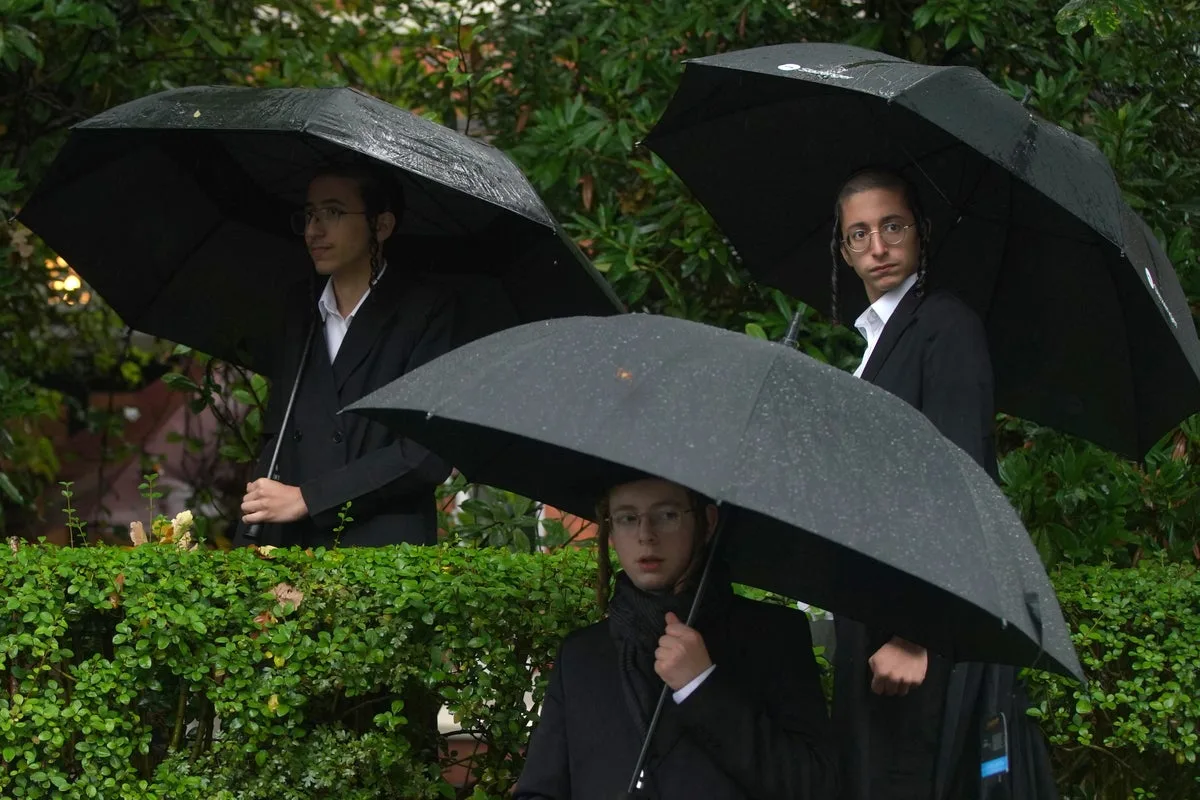
The Oct. 2 attack on a synagogue in Manchester left two congregants dead and, according to police, was carried out by a man who had pledged allegiance to the Islamic State group. Two days later, a mosque in an English coastal town was targeted with a suspected arson attack. Following those two attacks, “there is real fear,” said a Church of England bishop, the Right Rev. Toby Howarth. “People must feel safe in going to places of worship.”
How to instil that feeling is a constant challenge. In Germany, in response to several attacks, many synagogues have been surrounded by barriers and guarded by heavily armed police. In the United States, most synagogues — and many non-Jewish houses of worship — employ layered security strategies, such as guards, cameras, and various access control systems.
The deadliest attack on Jews in the United States occurred in October 2018, when a gunman killed 11 worshippers from three congregations at Pittsburgh’s Tree of Life synagogue. Eric Kroll, deputy director of community security at the Jewish Federation of Greater Pittsburgh, said synagogues there had begun systemic security trainings before the attack. “The wounds still run deep here in Pittsburgh for a lot of people,” he said, adding that preparations help them to worship together confidently.
A similar tone was sounded by Bishop Bonnie Perry, leader of the Episcopal Diocese of Michigan, in a letter to her congregations after a gunman killed four people inside a Church of Jesus Christ of Latter-day Saints in Michigan on Sept. 29. She detailed a balanced approach to security, rejecting suggestions to lock church doors during worship but encouraging greater vigilance and preparedness.