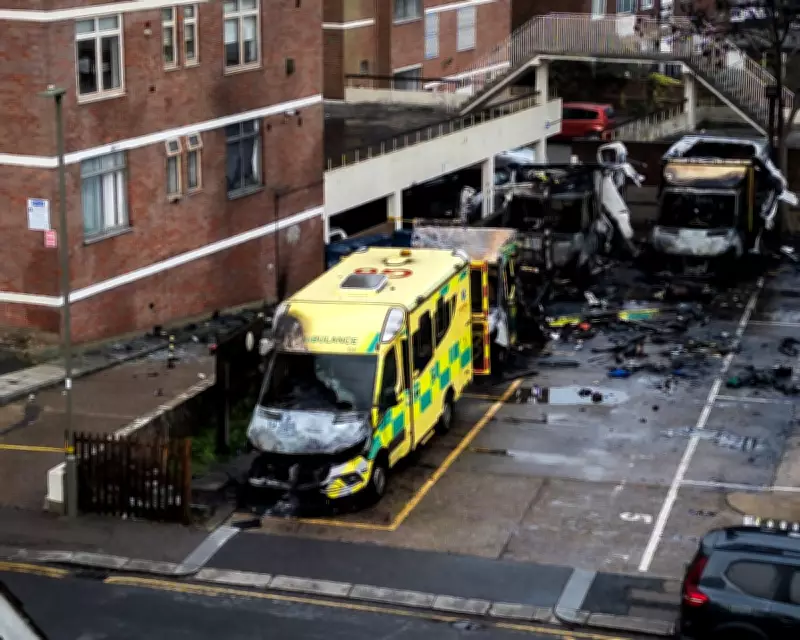
Ambulance Arson in Golders Green Treated as Antisemitic Hate Crime
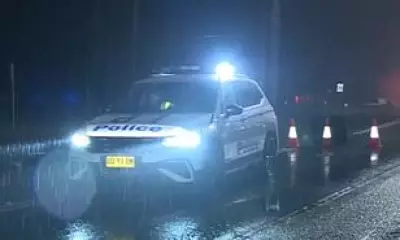
In the early hours of Monday morning, masked attackers set fire to four ambulances belonging to Hatzola, a volunteer emergency service in Golders Green, north London. Oxygen tanks exploded as the vehicles burned, forcing residents from their homes. Police are treating this incident as an antisemitic hate crime, underscoring a dangerous escalation in community tensions.
The Global Echoes of Conflict
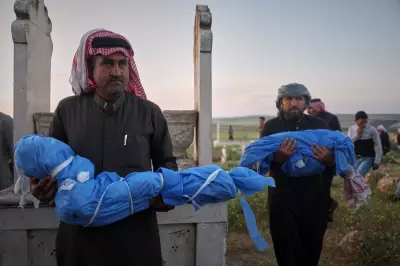
This attack in Golders Green, long a centre of Jewish life in London, sends an unmistakable message: even those dedicated to saving lives are no longer off-limits. Thousands of miles away, in the West Bank, Palestinian communities face a different but equally intolerable reality, with reports of Israeli settlers torching homes and cars, forcing families to flee. These contexts are not identical, but they are connected by a corrosive erosion of our willingness to see one another as human beings.
War does not stay contained within borders; it travels through images, narratives, and identities, reshaping perceptions far from the violence itself. In this distortion, hatred finds space to grow, threatening to import conflict into British communities.

A Call for Shared Responsibility
Responsibility does not sit only with those directly involved in the conflict. It rests with all of us watching, reacting, and choosing how to respond. Those who support Israel must challenge the violence against Palestinian communities in the West Bank; silence is complicity. Similarly, those aligned with the Palestinian cause must confront the growing attacks on Jewish people and property in London, Europe, and North America; minimising this threat undermines justice.
If our solidarity depends on overlooking suffering, it is not solidarity at all. We face a clear choice: fuel the division arising from horror abroad or refuse to let that hatred take hold in our own communities.
Inspiring Examples of Resistance
Amidst this turmoil, events like the Vivian Silver awards offer hope. Established by the family of Vivian Silver, a peace activist murdered by Hamas on 7 October, these awards honour one Jewish and one Palestinian woman who refuse to give in to hatred. This year's recipients, Prof Yofi Tirosh and Attorney Quamar Mishirqi-Assad, embody this refusal through their work challenging discrimination and defending human rights.
At the event, hosted by CNN's Christiane Amanpour, Sharone Lifschitz, whose mother was taken hostage and father murdered by Hamas, stated simply that she does not hate. When asked if he could say the same, Dr Jasr Kawkby, a paediatrician from Gaza based in London, responded honestly: he cannot claim to be free of hate, but he refuses to hold on to it. This is the challenge before all of us.
Choosing Our Response
Hate, fear, and the desire for revenge are natural responses to trauma and violence, but they are also combustible. We may not eliminate these feelings, but we can choose what we do with them. When we allow these emotions to take hold, we do more than respond to conflict; we import it into our communities in Britain.
The war in Israel and Palestine is devastating enough; it does not need to be brought onto the streets of London, Manchester, or anywhere else. We cannot control everything in the region, but we can decide whether to contribute to the spread of its worst instincts or resist them.
As David Davidi-Brown, chief executive of the New Israel Fund, reflects, we must quell the flames of hate from Golders Green to the West Bank, ensuring that our communities remain places of safety and humanity.