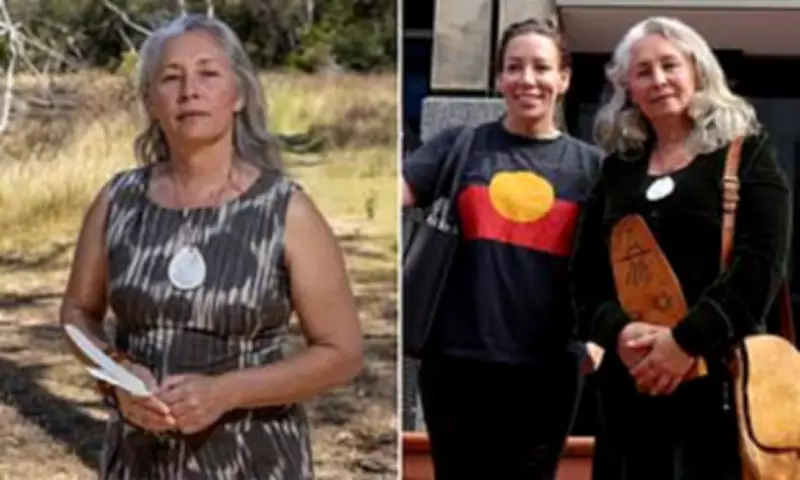
Aboriginal Woman's Trespass Case Tests Indigenous Land Rights in Australia
A landmark court case involving an Aboriginal woman charged with trespass has ignited a fierce national debate over Indigenous land rights and sovereignty in Australia. The proceedings, which began this week, centre on allegations that the woman entered a privately owned property without permission, but her defence argues that the land holds deep cultural and spiritual significance as part of her ancestral country.
Legal and Cultural Clash in Courtroom
The case highlights a profound clash between Western legal systems and traditional Indigenous laws, with the woman's legal team contending that her actions were protected under native title rights and customary practices. Prosecutors, however, maintain that trespass laws apply universally, regardless of cultural claims, setting the stage for a potentially precedent-setting ruling.
Indigenous leaders and activists have rallied outside the courthouse, holding protests and calling for greater recognition of Aboriginal sovereignty. They argue that such cases underscore the ongoing marginalisation of First Nations peoples and the failure of Australian law to fully accommodate their historical connections to the land.

Broader Implications for Land Rights
Legal experts suggest that the outcome could have far-reaching implications for similar disputes across Australia, where conflicts between property developers, mining companies, and Indigenous communities are common. If the court sides with the woman, it might strengthen native title claims and influence future negotiations over land use and compensation.
Conversely, a ruling against her could reinforce existing property laws and potentially undermine efforts to advance Indigenous rights through legal channels. The case has drawn comparisons to past landmark decisions, such as the Mabo case, which recognised native title in Australian law for the first time.
Public and Political Reactions
The controversy has spilled into the political arena, with some politicians advocating for law reform to better integrate Indigenous perspectives, while others emphasise the need to uphold property rights and legal consistency. Public opinion appears divided, reflecting broader societal tensions over reconciliation and historical injustices.
As the trial continues, observers are closely watching for any signs of how the judiciary might balance these competing interests. The woman's case is not just about trespass; it is a symbolic battleground for the ongoing struggle over land, identity, and justice in Australia.