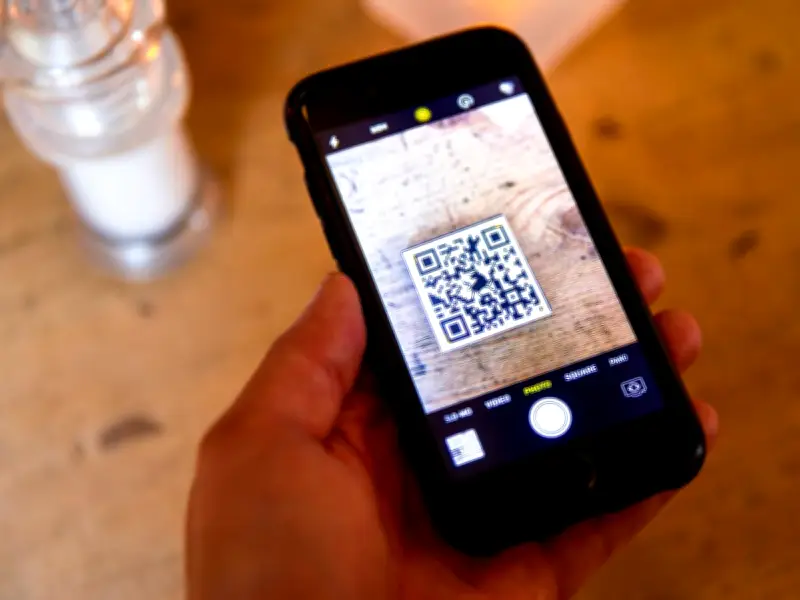
As England prepares to face Argentina in the World Cup semi-final on Wednesday, North East pubs are expected to be packed with fans cheering for local heroes like Dan Burn and Jordan Henderson. However, experts are warning of a hidden danger: QR code scams that could drain thousands of pounds from bank accounts.
How the QR Code Scam Works
Avi Chinn, Director of Growth and Strategy at Wealth Recovery Solicitors, has issued a warning about this scam tactic, which he says can be common during events like the World Cup. Criminals print their own QR code sticker and place it directly over a genuine one on tables and menu stands in pubs. When unsuspecting customers scan the fake code to order food and drinks, they are directed to a website impersonating the real ordering platform, where they are prompted to enter personal and banking details. This allows scammers to quickly drain money from the affected accounts.
With the rise in at-table ordering, especially in venues like Wetherspoons, this scam could be prevalent across the North East. Chinn notes, “When people are relaxed and have enjoyed a few drinks, they can be less vigilant and more susceptible to scams like these. Scammers prey on the fact that you’ll have your phone to hand, won’t want to miss any of the action and will be ordering food and drink to your table. People tend to trust QR codes and scan them quickly without much thought, but it is this speed that often means you’re overlooking where it is directing you.”
Tips to Avoid Falling Victim
Chinn has shared several tips to help football fans avoid QR code scams during the World Cup action.
Inspect the QR Code
If the QR code is printed directly onto the food and drink menu or embedded directly onto the table, it is likely genuine. However, if the code is on a sticker stuck to the menu, menu stand, or table surface, stop to consider if the same stickers are present on other tables. If the QR code sticker is peeling to reveal a printed code underneath, this is a surefire indication it is not legitimate.
Check the URL
When you scan a QR code using your phone’s camera, you can preview the URL before opening the link. Check whether it matches the venue's actual website or ordering platform before proceeding. If the URL is shortened, misspelt, or does not match the company you are dealing with, this can indicate you are dealing with a phishing website.
Assess the Website
If you have scanned a QR code and clicked through to the pub’s supposed ordering page, take a moment to assess the webpage. Look for any obvious spelling or formatting errors, or for misaligned or low-resolution images, as these can all be indicators that you are on a phishing website.
Asking for Unnecessary Information
If the page asks you to sign in, create an account, or confirm personal details rather than simply showing the menu and a payment screen, this can be a red flag. If it takes you to a plain form asking for card number, expiry, CVV, billing address, name, and date of birth rather than a secure payment page, avoid proceeding.
Use a Dedicated Ordering App Where Possible
Many pub chains, including Wetherspoon, Greene King, and Marstons, have their own dedicated app for ordering food and drink. If you are uncertain about the legitimacy of a QR code, download the app directly from your phone's app store.