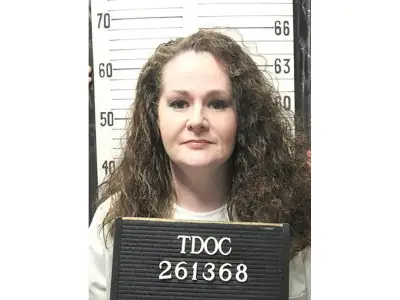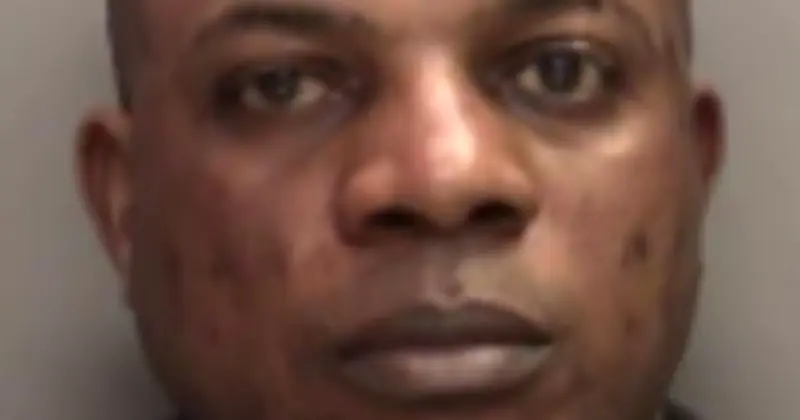
An NHS assistant who defrauded his employer out of £279,000 by stealing vital medical supplies and selling them back to the same hospital trust has been jailed for eight years. Emmanuel Nbanga, 46, used his position in stock control management at Alexandra Hospital in Redditch, Worcestershire, to take crucial medical items from operating theatre supply rooms.
Nbanga worked in the hospital’s materials management department, where he was responsible for monitoring stock levels for medical supplies for the operating theatres, including ordering new products when required and checking deliveries of the stock ordered. Instead, he stole stock and provided it to Birmingham-based Nigerian businessman Solomon Adeyemi, 57, the director of medical supplies company Ultimate Medical Limited (UML).
How the fraud worked
The stolen goods were then repackaged by UML before Nbanga, who hails from Sierra Leone but grew up in Nigeria before migrating to Solihull, purchased this stock back from the company alongside other medical items including warm-up jackets, needle containers and drug labels UML imported from China that “did not conform to medical device regulation and were not authentic or suitable medical products”.
Nbanga’s Nigerian wife Remilekun Olusesi, 40, then used a “shell” company as a conduit to launder monies from these frauds. The trio’s fraud ran from October 2016 until September 2019, and effectively meant that Worcestershire Acute Hospitals NHS Trust (WAHT) was buying back its own stock.
Trust uncovers the scheme
The trust became suspicious of UML and decided to make its own enquiries into the company after some of the packages delivered appeared to have been opened prior to their delivery to hospital theatres. They discovered that identification numbers on some delivered items matched those of items that had been previously ordered and delivered to the trust, either by UML or another supplier.
In total, WAHT spent almost £233,000 buying back its own stock. UML had also invoiced the trust for orders totalling £306,000, but the trust had withheld some payments due to its suspicions.
Arrests and convictions
Nbanga and Adeyemi were first arrested and interviewed in September 2019, and Olusesi in March 2020. Earlier this year Nbanga was found guilty of fraud by abuse of position and fraudulent trading following a trial at Worcester Crown Court. Adeyemi was found guilty of fraudulent trading, while Olusesi was convicted of money laundering.
Adeyemi had previously pleaded guilty to possessing identity documents with intent after using a forged Nigerian passport, a forged national insurance number card and bank statements in a false name, which he used to apply, successfully, for jobs as a healthcare assistant, via an agency, at two NHS trusts. He earned almost £119,000 from these two jobs, taking the full value of NHS losses to £367,759, and was jailed for seven years.
Olusesi, 40, escaped custody having been sentenced to 30 months’ imprisonment, suspended for 36 months, having been found guilty of money laundering through the acquisition, retention, use or control of criminal property.
Impact on the trust
Although these products were not stolen from the hospital, the trust determined that they could not be assured of their quality and safety for use on patients and therefore destroyed all existing stock. This caused the trust to spend additional funds replacing these with products sourced from other, established suppliers.
Ben Harrison, head of operations and engagement at the NHS Counter Fraud Authority, said: “This case demonstrates the serious consequences that await those who seek to defraud the NHS. Nbanga abused his trusted position to systematically steal vital medical stock and arrange for it to be sold back to the very trust he was employed by, effectively making the NHS pay twice for its own medical supplies. The involvement of multiple individuals and two shell companies shows the calculated and organised nature of this fraud.
“Their actions have caused significant financial impact on NHS services. As a result of the thefts and subsequent resupply by UML, the trust was effectively paying for stock it already owned, resulting in unnecessary costs. This fraud also posed a direct risk to patients, as substandard and unsanitary goods entering hospital theatres could have had serious consequences for their health and safety. Every pound stolen from the NHS is a pound that cannot be spent on frontline services and the NHSCFA is committed to pursuing those responsible wherever the evidence leads.”