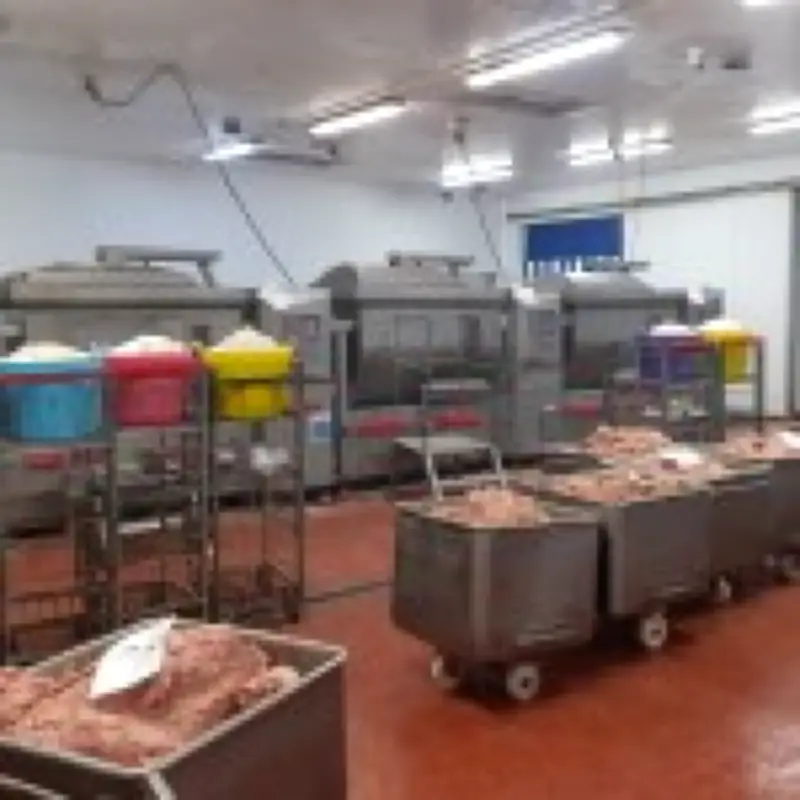
A prominent food supplier that once claimed to produce some of the finest kebabs in the United Kingdom has been ordered to pay a substantial fine after a court revealed that its so-called lamb doner meat contained goat, turkey, and an excessive amount of fat. Kismet Kebabs, which marketed its products as containing 87% lamb, was found to include only 51% actual meat, with the remainder consisting of 40% fat and other non-meat components.
Investigation and Findings
The company, which won the prestigious Best Supplier of the Year award at the 2021 British Kebab Awards, faced scrutiny when Trading Standards officers conducted tests in late 2020 and early 2021. Laboratory analysis of samples from the firm's Essex warehouse revealed a stark discrepancy between the labelled ingredients and the actual composition. Inspectors noted that the facility contained no lamb whatsoever but instead stored significant quantities of lamb fat, skin, goat, mutton, and ovine meat.
Prosecutor Lee Reynolds, addressing Swansea Crown Court, stated: 'Much of what was being described as lamb was in fact skin and fat. Despite selling lamb kebabs to takeaways and restaurants across the UK, they purchased little or no lamb.' The court heard that the company knowingly mislabelled its products, with recipe cards failing to match the output from processing machines. Reynolds described the operation as 'organised, planned, unlawful activity' that misled wholesalers, retailers, and consumers.
Legal Proceedings and Penalty
The judge acknowledged that standard sentencing guidelines for such fraud would impose fines between £15 million and £25 million, which would likely force the company into liquidation. However, Judge Huw Rees opted for a more measured approach, fining Kismet Kebabs £500,000 and ordering them to pay £260,000 in prosecution costs, with a four-year repayment period. He described the fraudulent activity as 'endemic' and criticised the company's 'considerable dishonesty' over a prolonged period.
Defence lawyer Stuart Jessop argued that the company had 'taken its eye off the ball' but assured the court that significant changes had been implemented to prevent future violations.
Impact on Consumers and Industry
The case highlights ongoing concerns about food fraud in the UK, particularly within the kebab industry. The National Food Crime Unit, part of the Food Standards Agency, was alerted after initial tests revealed that the meat content differed significantly from labels. Invoices showed that Kismet Kebabs purchased very little lamb, relying instead on lower-grade meat products such as neck trim, mutton trim, water, and ice, which were counted towards the declared meat content.
This incident serves as a warning to food suppliers about the legal and financial consequences of misleading labelling. Consumers are urged to remain vigilant and report suspicious products to authorities.