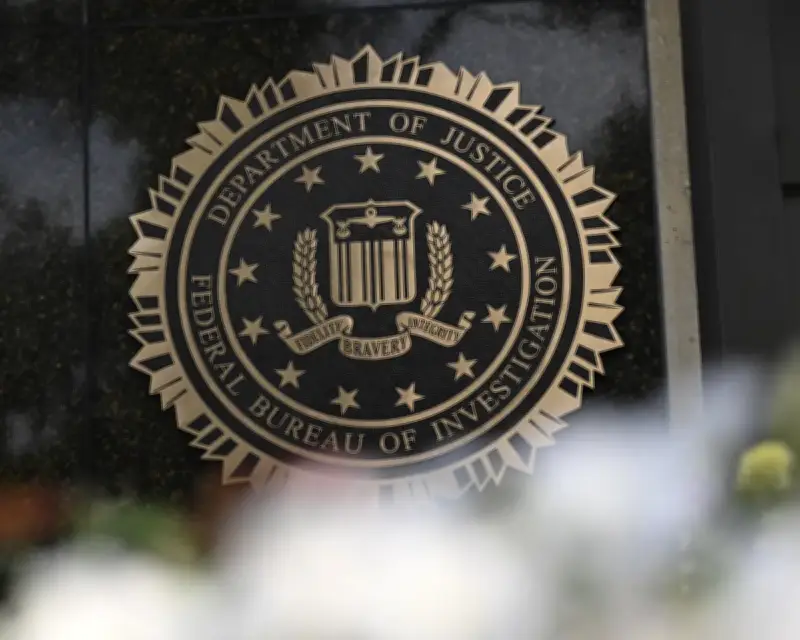
The FBI has seized 13 fake websites as part of an ongoing investigation into alleged Chinese espionage, including one that impersonated an Australian consultancy firm, Horizzen. The websites were allegedly used to recruit individuals in the United States to obtain sensitive information on China's behalf.
Fake consultancy impersonates Brisbane firm
From mid-2025, Horizzen, a small Brisbane-based consultancy firm, started receiving emails and calls from people applying for vague jobs in the United States. The firm, which had only a few domestic clients, was not hiring. A fake consultancy firm had launched online, using Horizzen's name, business address, phone number, and content, but with a different design.
Some jobseekers sent detailed CVs and cover letters to Horizzen's Australian email address, believing they were applying to the same organisation. In June, Horizzen realised the scale of the deception when the website falsely assuming its identity was seized by the US Department of Justice.

Websites used to 'trick, recruit, coerce'
In early June, Australia's domestic intelligence agency joined counterparts in the UK, US, Canada, and New Zealand to issue a public warning. The Five Eyes statement alleged that Chinese spies were running fake consultancy firms and posing as recruiters on platforms like LinkedIn. The intelligence services claimed that successful applicants were tested for their knowledge and then paid for reports, with fake firms eventually pushing for "more privileged information" and switching to encrypted messaging.
Within 24 hours of that warning, the FBI obtained a warrant to seize the website impersonating Horizzen and shut down 12 other websites accused of targeting US citizens with valuable knowledge. One website allegedly belonged to a fake consultancy firm pretending to be based in Western Australia, with job adverts posted by someone in Thailand.
In an affidavit, a senior FBI officer alleged the 13 websites were created to "recruit individuals in the United States to obtain sensitive and possibly classified information in exchange for monetary payments" on China's behalf. The FBI agent told the court that the websites used aliases, stolen identities, and AI-generated photographs to deceive applicants.
Shock and disbelief
Horizzen's spokesperson expressed "shock and disbelief" at the FBI's investigation, questioning the reputational damage to the company and others who may have been misled. The company believes its identity was deliberately copied to appear authentic and trusted. The FBI has accused the websites of obscuring their true location, with the website impersonating Horizzen registered in India.
An FBI spokesperson told Guardian Australia, "the FBI is aware that malicious online actors often use 'spoofing' or other techniques to appear legitimate when targeting innocent people and businesses." Asio has repeatedly warned of similar espionage activity, including a 2024 allegation that a spy ring known as "the A team" was targeting Australians on LinkedIn.
Frightening scale
Horizzen remains concerned that their experience may become increasingly common, especially with rapid developments in artificial intelligence making it easier for malicious actors to deceive people. The spokesperson said, "AI gives opportunists the ability to create convincing websites, communications, images and corporate identities quickly, cheaply and at frightening scale."
Five Eyes intelligence agencies are urging anyone who believes they've communicated with a suspicious consultancy firm or recruiter to report all details of their interaction. Asio's official guidance advises, "Ensure you disengage from the profile and don't interact any further." Horizzen is urging people not to ignore suspicious activity, as "what looks like ordinary spam may be connected to something far more sinister."