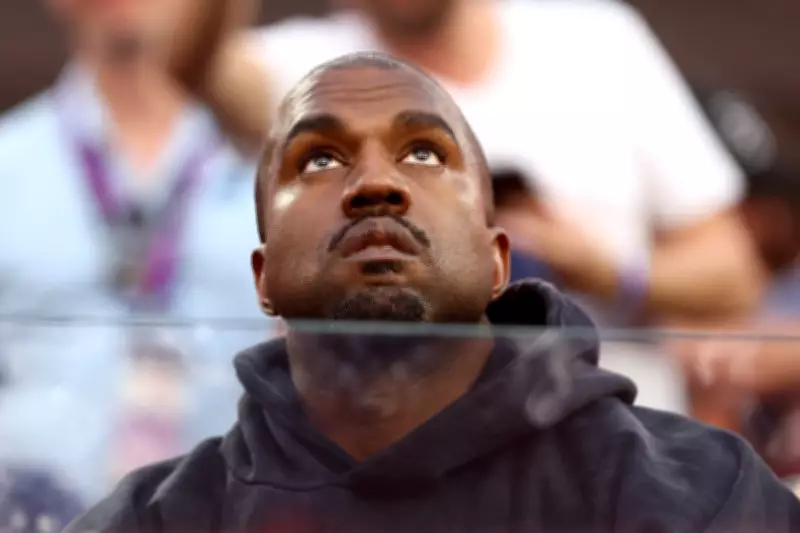
Ye, the rapper formerly known as Kanye West, has lost a copyright lawsuit after four musicians accused him of using their work without permission during a live performance. The case centred on an uncleared sample of the 2018 instrumental track "MSD PT2" by Khalil Abdul Rahman, Sam Barsh, Dan Seeff and Josh Mease, which Ye incorporated into his song "Hurricane" at a listening party for his 10th studio album Donda.
Jury Verdict and Damages
On Wednesday, a jury in Los Angeles found Ye liable for $176,153 in damages, while his companies Yeezy LLC, Yeezy Supply and Mascotte Holdings were ordered to pay approximately $260,000. The total sum amounts to around $436,000. The listening party, held at Mercedes-Benz Stadium in Atlanta in July 2021, generated revenue from ticket sales and merchandise.
Reactions from Both Sides
The plaintiffs' lawyer, Britton Monts, hailed the outcome as a victory for working artists. "It's a victory for working artists, who typically lack the resources to go against someone like Ye, a megastar and celebrity. The underdogs got their day in court," Monts said. However, a Yeezy spokesperson dismissed the verdict as a "failed shakedown," noting that the plaintiffs initially sought $30 million. "The moral of the story? There is a cost attached to thinking you can take advantage of Ye," the spokesperson added.

Ye's Testimony
During the trial, Ye testified that "a lot of people try to take advantage of me" and claimed that "we went through the normal process" to clear the samples. The final version of "Hurricane," which featured The Weeknd and Lil Baby, did not include the sample but instead reworked the composition and credited the musicians for interpolated elements. The plaintiffs argued they were owed royalties from the listening party. Their lawyer Irene Lee stated in court: "There was no deal, no agreement, no licence, and no clearance."
Broader Context
Ye has faced multiple lawsuits over his use of samples without permission. Meanwhile, his planned European comeback tour has been blocked by several countries, including the UK, France and Poland, due to backlash over past antisemitic remarks. In January, West took out a full-page ad in The Wall Street Journal apologising for his offensive outbursts, attributing them to a brain injury from a 2002 car crash and his bipolar disorder. He wrote that he "lost touch with reality" and "gravitated toward the most destructive symbol I could find, the swastika."