Chelsea Pensioner Loses £26k to AI Martin Lewis Scam and MoD Error
Chelsea Pensioner Loses £26k to AI Scam and MoD Error

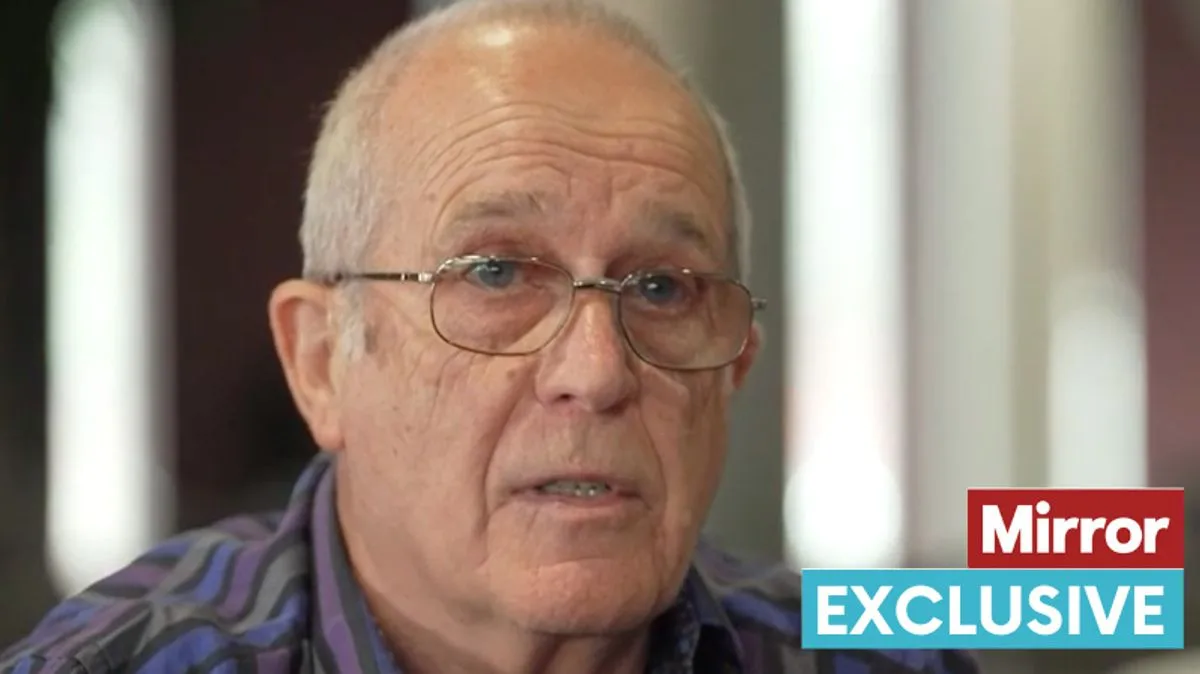
A military veteran has been scammed out of more than £20,000 by an AI advert posing as Martin Lewis, only to be ordered to repay thousands from his military pension. Alan Clarke, 72, seems unable to catch a break in his retirement and is now more than £26,000 down after a devastating series of setbacks.

He told the Daily Mail: 'It's left me broke. I've had to sell my car just to get some cash in the bank.' Mr Clarke's woes began after he sold his house in Alsager, Cheshire, and moved into the Royal Chelsea Hospital in July 2024. The hospital is the home of the iconic Chelsea Pensioners who, like Mr Clarke, are retired soldiers of the British Army. He was injured while serving in the first Gulf War and in Northern Ireland during the troubles.

Mr Clarke says the scamming began around March last year when he was scrolling on Facebook and came across an AI video of what looked like Martin Lewis giving savings advice. Now in his retirement, he said he was 'trying to save up for my kids to have some sort of inheritance' and thought investing his savings could be a boon to that end. So he picked up the phone and rang the number the 'very convincing' AI Martin Lewis told him to, thinking he could cash in.

Wide Pickt banner — collaborative shopping lists app for Telegram, phone mockup with grocery list

He had several phone conversations with a man over the course of a month and opened up a Revolut bank account on his advice, transferring his life savings of more than £20,000 into it. But in May 2025, several strange transactions which Mr Clarke said he did not authorise popped up — first one of £50, then one of £1,000, then a final one of £20,000. Mr Clarke admits: 'I felt like a fool. I thought, "I've been scammed. I've been led up an alleyway and robbed. How did I let that happen?"'

He said he called the man about the transactions and that he claimed he knew nothing of them. Soon after, the line went dead and he was unable to contact him. Mr Clarke said: 'It was incredibly frustrating. You can imagine, you've just looked at everything that you've managed to save throughout your life just disappear, and somebody else has taken it off you.' After trying to contact Revolut to see if he could recover his money to no avail, he gave up and deleted the account, saying he 'wanted it out of my life'. He also went to the police and FraudAlert, but he said they too were unable to help.

Less than a year later, Mr Clarke took a second major financial blow when he received a letter from the Ministry of Defence (MoD). It said he had to repay £5,330 of pension money he was mistakenly paid after his move into the Chelsea Hospital. It was supposed to have stopped once he became a resident. 'As soon as I got that, I thought, "Oh God, it's just one thing after another."' He was forced to sell his brand-new Dacia Duster for £13,000 after buying it just three months earlier for £19,000 — another £6,000 loss on the car which had only 2,000 miles on the clock.

Ever stoic, Mr Clarke tried to find the silver lining in all this, saying he had to quit his lifelong smoking habit to save money to pay back the MoD. He said: 'I've stopped smoking because I cannot afford it, which is not so bad I suppose. I worked out that I was probably saving about £350 a month without the cigarette, and then I go and get the bill from the War Disability Pension people, and I'm paying them back at £300 a month.' But now Mr Clarke has decided to take matters into his own hands after a chance meeting with strangers in a bar who told him to start a GoFundMe to raise money to restore his savings. He has sadly received very little interest in this, gathering only £15 since February at the time of writing.

Pickt after-article banner — collaborative shopping lists app with family illustration

The Daily Mail contacted Revolut to see if they could pay back Mr Clarke as a victim of fraud but said they had warned him on eight occasions that the payments by the alleged scammer could be fraudulent. They called him and directly warned him about the involvement of the supposed Martin Lewis, saying that this matches similar scams they have seen in the past. Unconvinced, Mr Clarke said he was not being guided by a third party. A Revolut spokesperson said: 'We are sorry to hear about Mr Clarke’s case and any instance where our customers are targeted by ruthless and highly sophisticated criminals. The customer was provided with a number of targeted, scam-specific warnings and interventions when these transactions were identified as potentially fraudulent. Unfortunately, these warnings were not heeded, and the customer provided us with false information in order to proceed with the transactions. We urge our customers to take stock of our warnings and respond to any interventions truthfully, as they are there to help protect their money.'

A recent study by Juniper Research found that social media platforms generated an estimated £3.8bn in revenue from fraudulent advertisements targeting European users in 2025 alone. This made up 10 per cent of social media advertising revenue in Europe that year. In the UK alone, social media platforms generated £430m in revenue from criminals targeting British consumers with scam adverts. This makes the UK a prime target for scammers, making up 11 per cent of all scam revenue.

An MoD spokesperson said: 'Where payments have been made in error, we have a responsibility to recover taxpayer funds and will always seek to do so in a sensitive and proportionate way. This includes through putting in place sensible re-payment schedules and providing financial and welfare support. Through Veterans Services, we provide one‑to‑one support to veterans and their families who are facing challenges.' The Daily Mail contacted Martin Lewis for a comment. He has previously warned that he does not do adverts on many occasions and to never trust adverts posing as him seen on social media or otherwise.