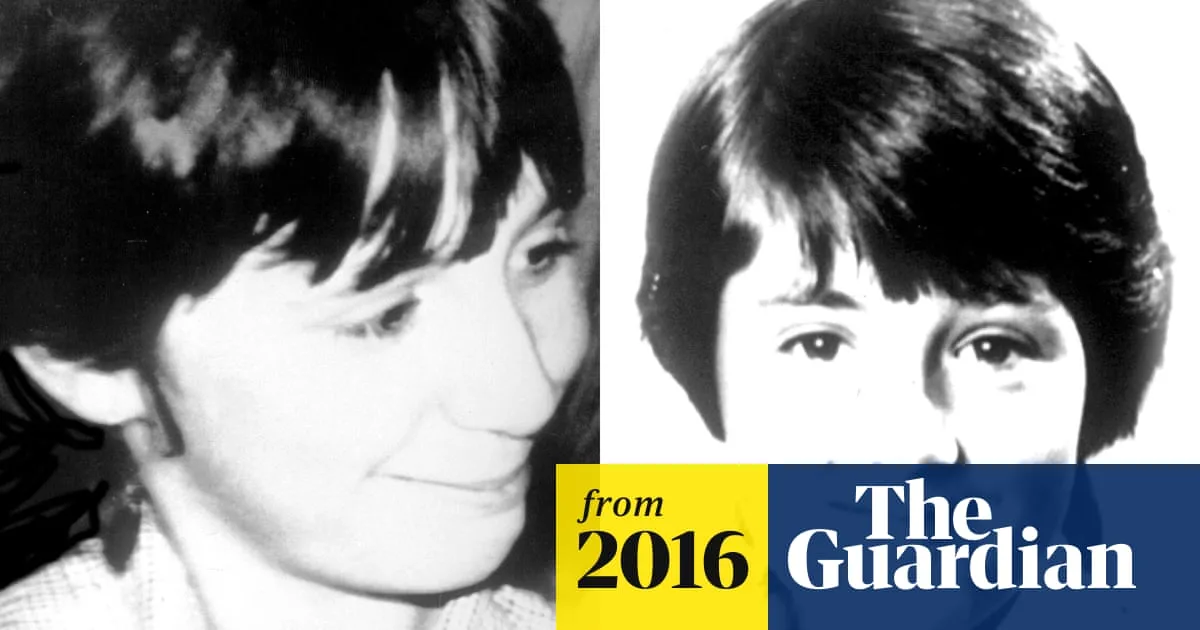
Thirty years ago this summer, the murder of 15-year-old Dawn Ashworth in Leicestershire became the first criminal case solved using DNA fingerprinting. The technique, discovered accidentally by geneticist Alec Jeffreys at the University of Leicester, revolutionised forensic science and prevented a grave miscarriage of justice.
Dawn disappeared on a Thursday afternoon in July while walking home from a friend's house in Narborough. Her body was found two days later in a field, covered with branches and nettles. She had been raped and strangled. Police quickly linked her murder to that of Lynda Mann, another 15-year-old killed two and a half years earlier just a few hundred yards away.
Richard Buckland, a 17-year-old local with learning difficulties, was arrested and charged with Dawn's murder after appearing to know unreleased details. However, he refused to confess to Lynda's murder, insisting he was innocent. Police were certain the same person killed both girls and sought Jeffreys' help.
Jeffreys tested Buckland's blood and semen from the victims. The DNA profiles showed that the same man raped both girls, but it was not Buckland. The charges against him were dropped, and a mass screening of local men began. Ultimately, Colin Pitchfork was caught after persuading a colleague to give a sample on his behalf. Pitchfork later confessed and was convicted in 1988.