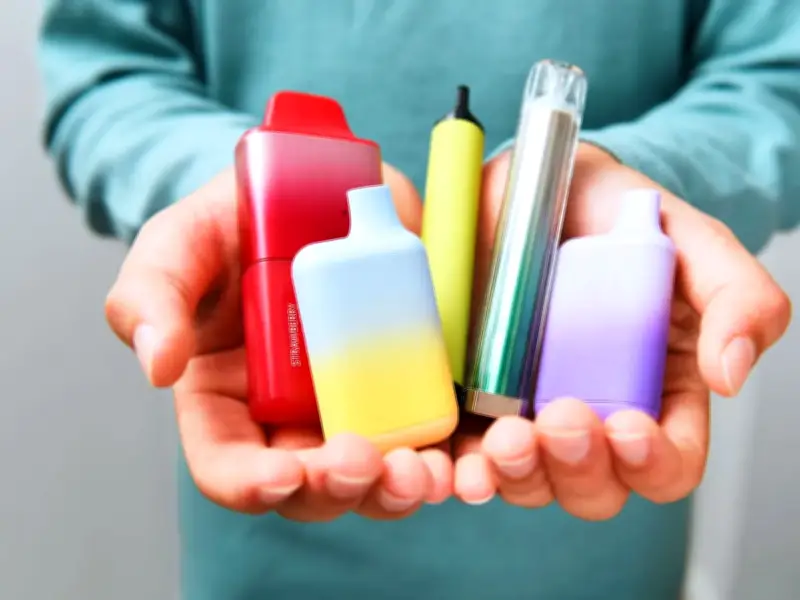
A Metropolitan Police pilot has found that one in eight vapes seized in schools contained illicit substances, the force said. THC and spice were among the substances identified during the operation, which the Met described as believed to be the first of its kind.
Officers used a specialist detection device commissioned by the Met to test 32 vapes seized from pupils at schools across southwest London. The operation follows reports of children collapsing and requiring hospital treatment after inhaling substances they did not know were inside vaping products.
Reports of vape spiking incidents
The Met said it had received about 200 reports linked to vape spiking incidents involving children over the past year. In April, officers were called to a college in Kingston after a 17-year-old student lost consciousness following the alleged use of a vape believed to be laced with drugs.
A later search resulted in officers seizing cannabis, a vape device and a bottle containing a pink liquid labelled "PEACHSILK, 5000MG THC". Forensic analysis later confirmed that two vaping products contained a Class B controlled drug.
Police warning over emerging threat
Deputy Assistant Commissioner Ben Russell said: "This pilot shows evidence of an emerging threat to children. Our testing has shown that dangerous and illicit substances are finding their way into vaping products being used by children and young people."
He added: "Whether knowingly or unknowingly, children carrying dangerous substances in schools is concerning. That is why we are not only investing in new technology, developing innovative tactics and pursuing those responsible, but also working directly with young people to help them recognise the risks, make informed choices, and stay safe."
Working with schools and reporting advice
Russell said the Met is working closely with schools, colleges, local authorities and safeguarding partners to identify risks and protect young people. He noted that engagement with schools is a vital part of that approach.
"By speaking directly with students, answering their questions, and raising awareness of the dangers linked to vaping and spiking, we can help prevent harm before it occurs," he said. "While reports of spiking remain most common in the night-time economy, we take every report seriously regardless of where it happens."
He advised anyone who believes they have been a victim of spiking to report it to police as quickly as possible, as the first 12-24 hours are crucial in securing evidence and identifying offenders.