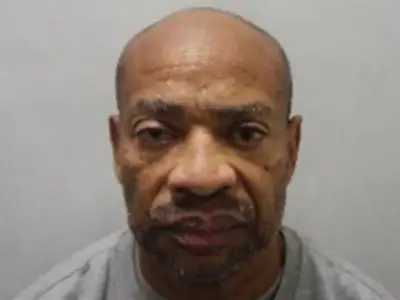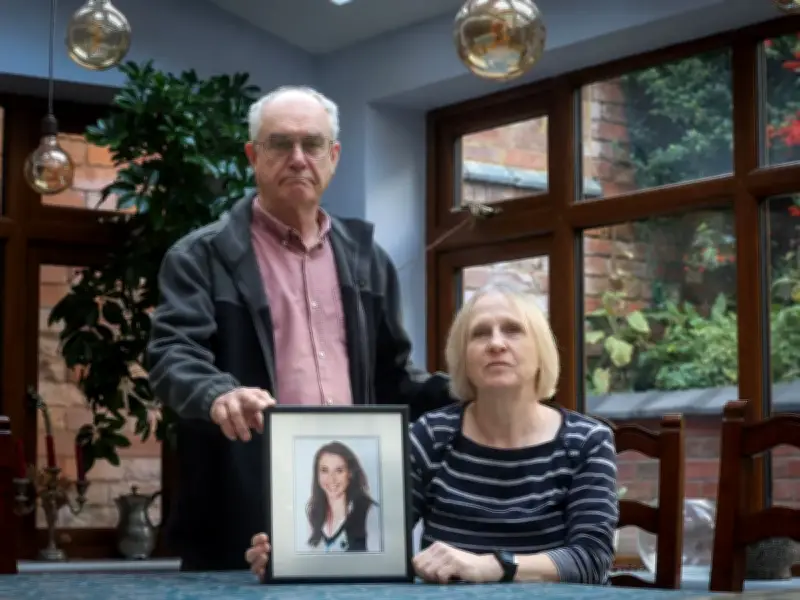
Ten years after her daughter Alice Ruggles was murdered by her stalker ex-boyfriend, Sue Hills has spoken of the guilt she still feels for not recognising the danger her daughter was in. Alice, 24, was killed by Trimaan Dhillon at her Gateshead home on this day in 2016. Sue and her husband Clive have since dedicated their lives to educating young people about the potentially lethal consequences of stalking.
A Decade of Guilt and Vows to Continue
Sue, now 65 and an expert on stalking, admitted that at the time she and others close to Alice perceived Dhillon as a "nuisance" and thought his behaviour, while "annoying," was not something her daughter urgently needed protecting from. That perception came crashing down when police knocked on the door of Alice's parents' home and told them their daughter had been murdered.
Sue said: "Ten years ago I had no idea it could end like that. We thought it was annoying, I never ever thought it could come to that. When the police knocked on the door it was pure shock and a feeling of guilt that we should have known and done the right thing to stop it."
She added: "If you don't understand stalking you can very easily give the wrong sort of message. People say if you ignore it it will stop. Over the last 10 years our understanding has grown massively. I think we will just keep going with this. We don't have a choice really."
The Campaign of Stalking and Murder
Alice grew up in Leicestershire but found a job on Tyneside after graduating from Northumbria University. Her relationship with Dhillon began in October 2015 while he was serving in Afghanistan. The soldier quickly became obsessive and controlling, attempting to isolate Alice from her friends. When Alice split up with Dhillon in August 2016, he began to hack into her social media accounts and bombard her with abusive calls, messages, and emails.
On September 30, he drove from his barracks in Edinburgh to leave flowers and chocolates on her window sill in Bensham. Terrified, Alice reported this to police and obtained a PIN warning instructing Dhillon to stop contacting her. After police informed the soldier's regiment of his behaviour, his commanding officer told him to leave his ex alone. But on October 12, 2016, he returned to Gateshead, broke into Alice's home through an open window, and slashed her neck at least six times before leaving her dying on the bathroom floor. Dhillon denied murder, saying Alice had fallen on a carving knife, but was convicted by a jury and jailed for life.
Missed Opportunities and the Trust's Work
Following Alice's murder, missed opportunities to save her life came to light. When she contacted police just 11 days before she was killed, the incident was recorded as harassment, and Dhillon was not arrested. An investigation by the Independent Office for Police Conduct revealed that a Northumbria Police officer failed to record Dhillon's behaviour as stalking. The officer also did not access Alice's phone, which contained messages from Dhillon, or take the flowers and chocolates he had left, which could have been used as evidence. Despite findings that two officers had a "case to answer for misconduct," both kept their jobs and were dealt with via management action and further training.
Faced with the heartbreaking reality that their daughter's murder could have been prevented, Sue and Clive set up the Alice Ruggles Trust, which today still has an ambitious target of putting an end to stalking. The trust has worked to increase professional and public understanding and campaigned for improved legal measures. It is now focused on educating young people in schools to enable potential victims to recognise if they are being stalked and seek help, and to prevent potential perpetrators from turning to stalking when a relationship ends.
Ongoing Commitment and Police Response
Sue, whose husband Clive is 74, said: "It is very different from what I thought I would be doing. I thought I would be happily retired and living in a cottage by the sea. It is relentless. Our aim is to educate school children about stalking, and every year there's a whole new cohort of children that need educating."
A Northumbria Police spokeswoman said: "We are committed to continuing to improve the way in which reports of stalking are investigated in order to offer the best service possible to victim-survivors and pursue offenders. Following Alice's tragic death 10-years ago, it was recognised nationally that changes needed to be made in how police respond to reports of stalking and harassment to ensure officers understand the heightened risks associated with stalking behaviour."
Northumbria's Police and Crime Commissioner, Susan Dungworth, praised Alice's family, saying: "On this anniversary, I think it's important we recognise the incredible work done by Clive and Sue and the team at the Alice Ruggles Trust. They have turned such a devastating loss into the most meaningful mission helping to spare other families from experiencing the same heartbreak."