Magaluf's Party Paradise Conceals a Disturbing Reality
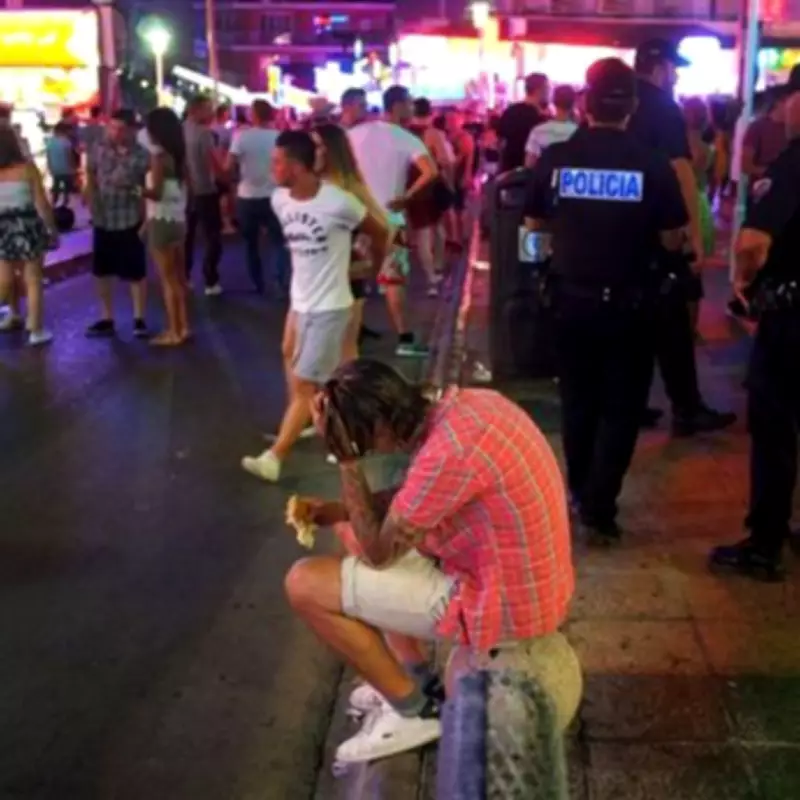
For decades, Magaluf has stood as a premier party destination for British tourists chasing sun, sand, and unrestrained revelry. Yet beneath the vibrant facade of this Balearic hotspot lies a deeply troubling undercurrent of exploitation and violence. The resort, colloquially dubbed 'Shagaluf', annually attracts tens of thousands of Brits aged 18 to 30, lured by cheap alcohol, affordable accommodation, and a hedonistic atmosphere. However, this environment has increasingly become a breeding ground for predatory behaviour, sexual assaults, and a culture where vulnerable young women are systematically targeted.
Horrific Incidents and Legal Repercussions
The dark side of Magaluf was starkly illustrated in 2014 when viral mobile footage emerged showing an 18-year-old British woman performing oral sex on 24 men during a Carnage Magaluf pub crawl. A DJ with a Geordie accent was heard egging her on, offering a free drink as a 'prize' while shouting derogatory comments. More recently, in a case that shocked Europe, eight men were jailed after a British teenager was gang-raped at the BH Mallorca Resort in August 2023. The victim, aged 18, was subjected to a prolonged and violent assault by seven French nationals and one Swedish man, who filmed the attack on their mobile phones.
The perpetrators pleaded guilty in exchange for reduced sentences, with five receiving prison terms of nine to 11 years for sexual assault. Three additional men, who filmed the assault but did not participate, were sentenced to over two years in prison. Court documents detailed how the men, aware of the victim's semi-conscious state, stripped her, raped her, spat on her, and hit her during the half-hour ordeal. One assailant even ventured into the hotel corridor to invite strangers to have 'free sex' with the unconscious teenager.

Undercover Exposé and Predatory Patterns
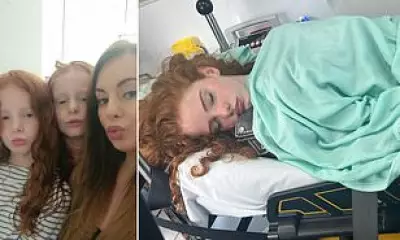
Channel 4's 2024 documentary, Magaluf Undercover: Predators and Parties, further exposed the resort's dangerous dynamics. Journalists Ellie Flynn and Emily Birtley spent three nights posing as drunk or vulnerable tourists to document predatory behaviour on the strip, in clubs, and on beaches. In one chilling sequence, Flynn pretended to slump on a sun lounger, only to be approached by multiple men who coordinated efforts to exploit her perceived intoxication. Reflecting on the experience, Flynn described feeling "startled and genuinely scared," noting it was part of a broader pattern of orchestrated targeting.
Another young woman recounted having her drink spiked, leaving her barely able to speak or walk. These incidents are not isolated; an independent survey conducted for the documentary revealed alarming statistics: nearly a quarter of respondents reported experiencing sexual assault, with almost one in ten women describing non-consensual sex acts, including rape. Over 30% of men admitted to kissing someone without consent on holiday, and 20% confessed to unwanted intimate touching.
The 'Manosphere' and Cultural Fuel
Leading women's rights expert Dr Charlotte Proudman attributes part of the problem to the rise of the 'manosphere'—an online space that promotes extreme masculinity and, often, misogyny. Influencers like HS Tikky Tokky garner massive followings by championing these ideals through YouTube videos and podcasts. Dr Proudman explains, "What we are seeing in places like Magaluf is the collision of toxic online misogyny with a holiday culture of excess, where alcohol, group dynamics and anonymity embolden some men to act with shocking entitlement towards women's bodies."
She adds that the manosphere has normalized the dehumanization of women, framing sexual aggression as a form of male bonding or status. The act of filming assaults, as seen in multiple cases, underscores how sexual violence is sometimes performed for entertainment, reflecting a culture where such acts are trivialized or even celebrated.

Regulatory Measures and Ongoing Challenges
In response to the escalating issues, the Balearic government introduced a new law in January 2020 targeting "tourism of excesses." Key measures include a six-drink daily limit for all-inclusive guests, bans on late-night alcohol sales, prohibitions on pub crawls, fines for public nudity, and increased police presence. Balearic tourism minister Iago Negueruela described the decree as a commitment to "sustainable tourism of quality" and a fight against anti-social behaviour linked to alcohol overconsumption.
Despite these efforts, Ellie Flynn notes that dangerous attitudes persist. Survey data revealed that 33% of men believed someone dancing alone indicated a desire for sexual partnership, and over 25% thought casual conversation implied consent for intimacy. Flynn warns of a growing divide between young men and women, exacerbated by online echo chambers that justify abuse. "We have these two conversations happening simultaneously," she says, "taking people down completely different directions."
The situation in Magaluf underscores a broader crisis where holiday hedonism blurs with systemic abuse. As Flynn poignantly observes, the resort's environment can make "hedonism and abuse" indistinguishable, leaving young women—often away from home for the first time—particularly vulnerable. The need for inclusive dialogues that address both male alienation and the epidemic of violence against women remains urgent, highlighting a complex cultural challenge that extends far beyond the sun-drenched shores of Magaluf.