
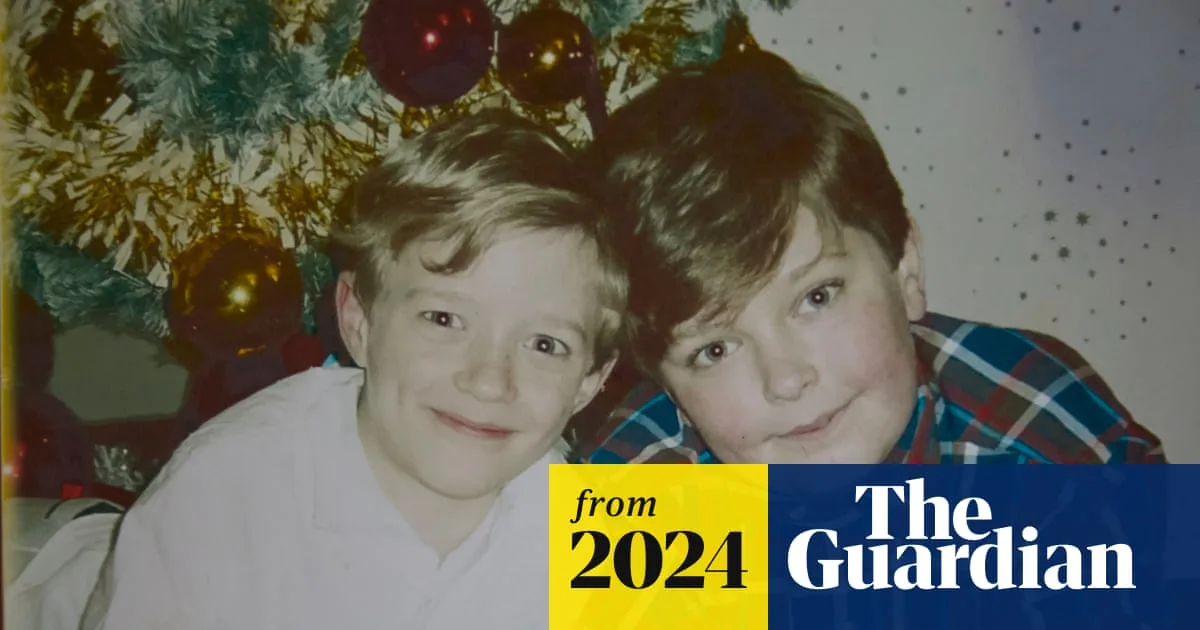
Ten years ago, Claire Throssell's two sons, Jack and Paul, were murdered by their father, Darren Sykes, a man with a history of violence. Sykes lured the boys, aged 12 and nine, to the attic with sweets and a new train set, then barricaded the house and set 14 fires, locking doors and using furniture to slow firefighters. Despite Throssell's warnings that Sykes was capable of killing the children, the family court had granted him contact.
Throssell had previously stated in evidence that Sykes had hit her and the boys, made them eat until sick, and had threatened suicide. Paul had also told a Cafcass worker he did not want to visit his father. Nonetheless, contact was awarded. Now, Throssell says she 'exists' only to ensure her children's voices are heard and to push for reform of the family courts, which she describes as needing a 'true overhaul'.
The case highlights a broader issue: most family court cases involve allegations of domestic abuse, yet contact is often granted to abusive fathers. A recent example involved serial rapist Kristoffer Paul Arthur White, who was granted unsupervised contact with his daughter despite convictions for rape and child sexual abuse. Research by the Shera group found that in ten anonymous cases involving child sexual abuse allegations, fathers ultimately won contact, including overnight stays and shared residency.
Women's Aid's Child First campaign, which focused on 19 children killed in unsafe contact circumstances, led to a Ministry of Justice expert panel that made 72 recommendations in 2020 to prioritise safety over contact. However, Sophie Francis-Cansfield, head of policy at Women's Aid, says progress has been 'incredibly slow' and few recommendations have been implemented. Throssell, who first turned to the courts for protection, now campaigns for change, saying she made a vow to get her children's voices heard.




