Exclusive: How a Fraud Expert Turned the Tables on a Romance Scammer
Romance fraud cost victims over £106 million last year, equating to approximately £200 per hour. When Tracy Cray, a seasoned fraud combatant, was approached by a romance scammer, she decided to play along to expose their methods. This exclusive investigation reveals the organised system behind these devastating cons.
The Initial Contact
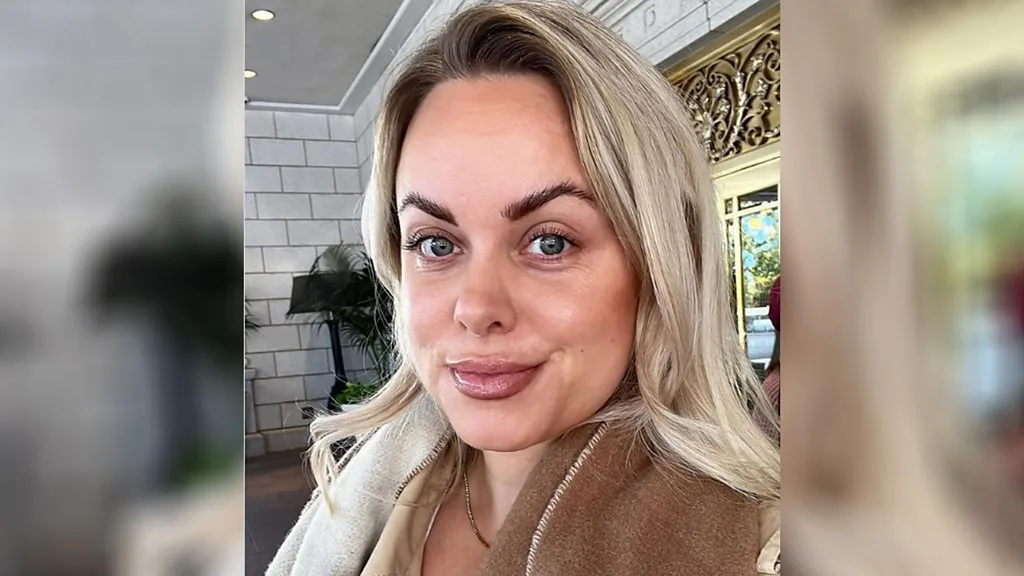
Scrolling through notifications on an online dating site, Tracy Cray, 59, from Essex, noticed a message from 'Ritchie'. He presented himself as a tall, dark, and handsome architect living in a smart part of London with a teenage daughter. The charming stranger began wooing her with romantic poetry and discussions of a future together, sounding almost too perfect.
Tracy, who has a 35-year career in combating fraud, says: "What shocked me most wasn't the story itself – it was how organised it was. This wasn't simply one person trying their luck, but a system. I had the advantage of knowing what to look for, but many people don't. They just see kindness, attention, and care. That's what makes these scams so dangerous."
Playing Along to Uncover the Truth
As managing director of Chargebacks911, a company specialising in helping businesses combat fraud, Tracy joined an online dating app in 2023 after encouragement from friends and family. She explains: "I didn't think too much about it until I started getting messages. The one from this guy who said his name was Ritchie stood out. He seemed genuine and sincere."
Claiming to be a widower originally from Sweden, 'Ritchie' quickly insisted they move their conversation off the dating site to WhatsApp, citing a desire to focus solely on her. Tracy notes: "That was probably a first red flag, but he said it was because he'd been receiving loads of emails."
They corresponded up to 15 times daily, with 'Ritchie' sharing details about his job as an architect, a project in Luxembourg, and plans to retire into property management. Tracy recalls: "Every day I'd have a nice 'good morning' message, plus he'd send these poetry quotes. It was flattering."
Uncovering the Deception
Using her professional expertise, Tracy began investigating. She checked Companies House for the firm 'Ritchie' claimed to work for and found nothing. There was no LinkedIn profile or Facebook presence, which raised suspicions. A phone call further alerted her when he mispronounced Greenwich as 'green witch'.
Tracy used reverse imaging to scan the internet for the photos 'Ritchie' had sent. Her search revealed the images were stolen from an innocent man living in America. She says: "I was upset. I suppose because of my profession, I couldn't believe that, of all those who actually messaged me, the one that I felt was genuine, was probably the only one that wasn't."
Turning the Tables on the Scammers
Deciding to play along, Tracy noticed inconsistencies in grammar and spelling in 'Ritchie's' messages, suggesting multiple people were involved. She thought: "This isn't just one guy, this is a team."
Unaware he'd been discovered, 'Ritchie' claimed to be traveling to Turkey for work, sending flight details and even calling from the airport. After going quiet for a few days, he returned with a story about having his belongings stolen and needing money. Tracy advised him to get an emergency card from his bank, but he sent photos of an aircraft flying to an oil rig, which image searches revealed were fraudulent.
When the theft story failed, the scammers tried a new tactic: 'Ritchie' claimed to be receiving a £2 million cheque he wanted Tracy to accept. He became annoyed when she questioned why it wasn't a bank transfer, using emotional pressure tactics. Later, he asked for her email and home address for a cash delivery via courier.
Tracy created a fake PO Box and email account with the word 'scammers' written backwards. The scammers didn't notice, emailing her to say the package was halted at US customs and she must contact them immediately or face arrest. She says: "I suspected I was going to be asked to part with money. This had gone on for nine months, I'd got what I needed. It was time to close it off."
Confronting the Scammers
Tracy sent 'Ritchie' a message saying she had 'good news': she had found his 'twin brother' in America. Even then, the scammers accused the other man of stealing their identity. In her final note, Tracy revealed she had been stringing them along and was reporting everything. They simply replied: "God bless, Tracy."
She alerted the dating site and Report Fraud, the UK's national reporting centre for fraud and cybercrime, but has heard nothing back. Tracy warns: "These people are spending so much time building trust and giving false hope to people who are sometimes very vulnerable. Romance scams take confidence, security, and dignity, as well as money."
Lessons Learned and a Happy Ending
Advising others to carry out due diligence on dating apps, Tracy adds: "Even the most private people will leave an online fingerprint somewhere. I even checked the Electoral Role for traces of 'Ritchie'." She won't be returning to online dating, having reconnected with a man she first met 40 years ago at a local soul music night. She concludes: "So there is a happy ending after all."
Chargebacks911 safeguards more than 2.4 billion transactions annually for clients in 87 countries, providing an end-to-end platform to counter post-transactional fraud and chargeback misuse. This case highlights the urgent need for vigilance in the face of increasingly sophisticated romance scams.