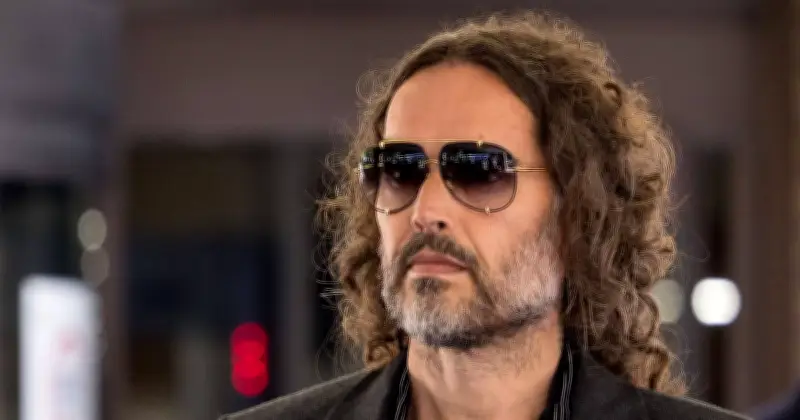
Russell Brand is facing a difficult adjustment to prison life after his conviction, with his celebrity status potentially making him a target for other inmates seeking publicity, a former prison governor has warned.
The comedian and actor, 51, was convicted on Thursday (November 5) of raping one woman and sexually assaulting three others. Speaking to Kevin O'Sullivan on Talk TV, former prison governor Mark Hammersley detailed what Brand's first night in detention likely involved, including precautions taken by officers to ensure his safety.
Intake procedures and first night shock
Hammersley explained that Brand would have been subjected to a strip search on arrival to ensure he was not bringing prohibited items, including drugs, into the facility. "That first night would have been a total shock for him," Mark explained.
Outlining the process, he said: "It's very degrading, you know, for any individual. When you do it, we try and make it as professional as we can. When we strip-search a person, we have a strict procedure to go through. You search the top half first and the bottom half, and you give them the clothes to put back on as you go through."
Mark added that health screenings and evaluations would also form part of the intake procedure, with officers determining whether a new detainee could safely occupy a shared cell.
Celebrity status as a security risk
Kevin noted that sex offenders are typically accommodated in a distinct wing of prison, but indicated Brand's famous status meant he had been placed in an alternative unit, where he could be isolated from fellow prisoners. The broadcaster also mentioned the prospect of disruptive conduct from inmates, including dirty protests, and queried whether Brand would manage much rest.
Mark indicated the scrutiny surrounding the former television personality would make a peaceful first night unlikely. He said: "His presence would have been well known and, you know, well communicated around everybody who's near him, and everyone would have been shouting stuff out to him, trying to get messages from him, trying to get him talking back, you know, all for their own thing."
Risk of assault and monitoring
The former governor outlined why being well-known in prison can create a substantial security challenge, warning that certain prisoners could view Brand as an opportunity to gain publicity for themselves. "It gives every prisoner in there the opportunity of five minutes of fame. If anybody does anything with him, if anybody were to have a go at him, try and get him, they'd be a front-page newspaper story," he said.
When asked whether Brand would consequently need special protection against possible assaults, Mark agreed. He explained that fellow inmates might see an encounter with the celebrity as an opportunity to raise their own profiles, potentially providing them with material to publicise after their release. Mark said: "Prisoners will be looking at the opportunity: 'There's someone famous, there's someone rich, someone who I could make a lot of money from or make a lot of money with. It might help my social media presence when I get released. I'm the prisoner who did this.'"
He further noted that prison staff and management would be particularly keen to ensure Brand was handled appropriately, with every element of his detention closely monitored.
Brand was convicted of raping a 21-year-old fan in 2009 and sexually assaulting three women in separate incidents between 2004 and 2009. He was acquitted of two further rape charges and one count of attempted indecent assault. He denied all the allegations, with his legal team arguing that he had been wrongly accused and was the victim of a media conspiracy. Two additional allegations against him are also currently under investigation. Brand remains in custody awaiting sentencing on Monday.