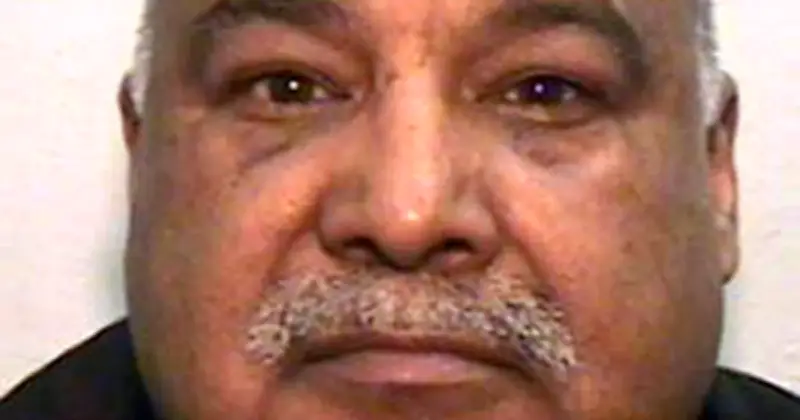
Outrage has grown over the imminent release of convicted child sex offender Shabir Ahmed, 73, who is set to leave prison on Thursday despite being stripped of his British citizenship. A legal loophole prevents his deportation from the UK.
Ahmed's Release and Monitoring Conditions
Ahmed, a ringleader of the Rochdale grooming gang, has served part of sentences totaling more than 40 years for rape and child sexual offences. Upon release, he will remain in the UK under strict monitoring arrangements, including lifelong inclusion on the sex offenders' register, electronic tagging, curfews, and exclusion zones. Authorities say his movements will be tightly controlled, and any breach of conditions will result in immediate return to custody.
A Home Office spokesman said: “Our thoughts are first and foremost with the victims of these appalling crimes. Ahmed’s horrific crimes were at the heart of the grooming gangs scandal that represents one of the darkest moments in our country’s history. The most vulnerable people were abused and exploited at the hands of evil child rapists and must face the full force of the law.”

Legal Barrier Under the Immigration Act 1971
The legal barrier preventing Ahmed's removal stems from the Immigration Act 1971, which exempts certain Commonwealth nationals who entered the UK before 1973 from deportation. Although Ahmed is originally from Pakistan, he falls within that category, meaning he cannot currently be removed despite losing British citizenship while serving his sentence. His release arrangements were confirmed in correspondence sent directly to one of his victims, which sets out licence conditions including a Rochdale exclusion zone and 24-hour supervised accommodation. The letter also confirms he will be barred from re-entering the UK should he leave the country.
The scale of supervision required means probation services and the Ministry of Justice will oversee extensive monitoring measures once he is released.
Previous Failures and Similar Cases
Three years ago, it emerged that Ahmed was previously employed as a welfare rights officer at Oldham Council. A later review found that police failed to pass on information about his arrest for sexual offences against children, despite concerns having been raised. Investigators concluded there had been “serious multiple failures” by Greater Manchester Police and the local authority, adding that earlier disclosure may have prevented further abuse.
The case mirrors that of other Rochdale grooming gang ringleaders, including Qari Abdul Rauf and Adil Khan, who were also jailed in 2012. Both men have also been stripped of UK citizenship but remain unable to be deported to Pakistan because they have renounced their Pakistani nationality. Negotiations over their return have been ongoing for more than a year between UK and Pakistani authorities, without resolution. Rauf and Khan were part of a nine-man grooming gang convicted of sexually assaulting 47 girls over a two-year period in Rochdale. Victims were plied with alcohol and drugs before being exploited.
Political Debate and Calls for Reform
Political debate has also intensified following the case, with concerns raised about early release schemes and safeguards for serious sexual offenders. Jess Phillips, Labour’s former safeguarding minister, has urged the Government to exclude child rapists from early release programmes planned for September. She said exemptions should be introduced to ensure those convicted of the most serious sexual offences against children are not released early where possible. The Conservative Party has also criticised the plans, describing them as “disgraceful”, and has asked ministers for clarity on how many serious sexual offenders may be affected and when they could be released.