Jury Delivers Narrative Verdict in George Nkencho Inquest with Key Gardaí Recommendations
A jury has returned a narrative verdict in the inquest into the death of George Nkencho, who died after being shot by gardaí in west Dublin in December 2020. The verdict summarises the events leading to the tragic incident, with the jury also issuing several recommendations aimed at improving police procedures.
Details of the Verdict and Family Response
George Nkencho, aged 27 and the eldest of five siblings, was fatally shot outside his family home. The jury deliberated for approximately four hours before delivering their narrative verdict, which described how, despite the use of Tasers and pepper spray by gardaí, Mr Nkencho continued to hold a knife and move erratically, lunging with the weapon. The cause of death was confirmed as multiple gunshot wounds to the torso.
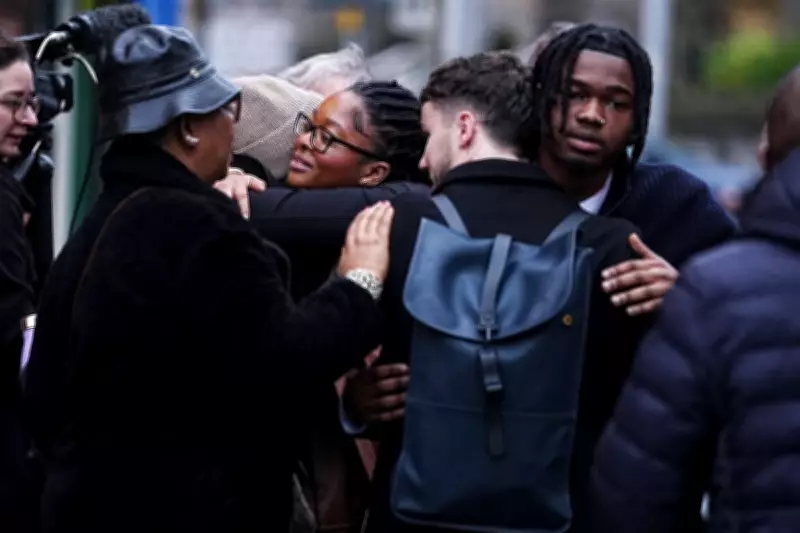
His family, who attended the inquest throughout its three-week duration, expressed that the proceedings had been "a very tough time" as they relived the trauma. Emmanuel Nkencho, George's brother, stated outside Dublin District Coroner's Court that "today represents some form of closure for my family", while emphasising that "my brother shouldn't have died". The family hopes the inquest will lead to meaningful change to prevent similar tragedies.

Jury Recommendations for Gardaí Procedures
The jury made a series of recommendations to enhance gardaí operations, particularly in armed engagements. Key proposals include:
- Implementation of body-worn cameras on all armed gardaí, with activation at the initiation of calls rather than upon arrival at the scene.
- Prioritisation of increased distance and time in situations where key details, such as residence identity or occupants, are unknown.
- Avoidance of armed engagement near private dwellings where possible.
- Quarterly checks of pepper spray canisters, with immediate replacement if out of date.
- Improved access to less lethal equipment.
Additionally, the jury endorsed measures already underway by gardaí, such as reviewing critical command operations and introducing more effective Tasers.
Coroner's Comments and Inquest Proceedings
Coroner Dr Myra Cullinane thanked the jury and offered her deepest condolences to the Nkencho family, noting that "George's death remains a deep and tragic loss". She explained that the narrative verdict provides a neutral, multi-factorial account of the circumstances, contrasting with the alternative verdict of death by misadventure, which involves an unintended outcome from a lawful action.
The inquest, held over the past three weeks, heard extensive evidence from various sources:
- Shop workers and customers described Mr Nkencho punching an assistant manager at a Eurospar in Hartstown.
- Family members, including his mother Blessing and siblings, shared their perspectives, with some present in the home during the incident.
- Public witnesses provided accounts and a mobile phone video of the events outside the Nkencho home.
- Gardaí testified about their interactions, stating they feared for their lives as Mr Nkencho waved a knife towards them.
- A state pathologist confirmed Mr Nkencho was shot six times, with one wound piercing the heart and lung deemed definitely fatal.
An independent criminal investigation by a Garda oversight body concluded in June 2023, with a file submitted to the director of public prosecutions, who decided against pursuing criminal prosecution. The inquest aimed to clarify facts for the family and public, as highlighted by Dr Cullinane.