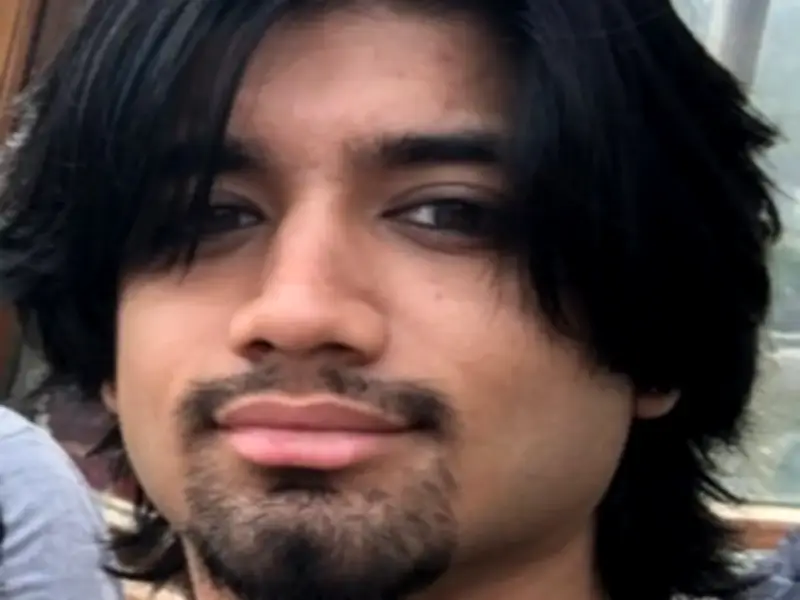
A coroner has found that university student Aryan Sharma could have been taken to hospital by paramedics hours before he died, in a case marked by what she called "missed opportunities."
Mr Sharma, originally from London and living at The Foundry student accommodation, disappeared on a night out in Loughborough town centre in November last year. His body was found downstream in Normanton-on-Soar on December 14, weeks after he vanished.
Night out and paramedic response
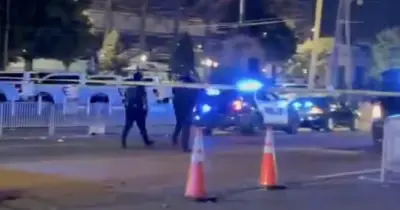
On the night of Friday, November 21, Mr Sharma went out in Loughborough town centre and was later asked to leave a pub on Market Street. He continued walking around the town before a member of the public found him on the ground in the street at around 10.50pm and called 999.
An ambulance arrived shortly after 11pm, and he was helped into the vehicle. Susan Jevons, head of patient safety at East Midlands Ambulance Service (EMAS), told the inquest at Rutland and North Leicestershire Coroner's Court on Tuesday, November 3, that paramedics noted a low body temperature, a fast heart rate and high blood pressure.
Ms Jevons said the crew documented that he "began rambling about the Antichrist and the IRA whenever the crew asked him important questions" and suspected he was intoxicated. She said: "For me, those observations warranted further asking of questions and then probably a second set of observations later on."
However, the crew did not take a second set of checks or carry out a heart trace, known as an ECG, despite his low temperature and fast heart rate. Ms Jevons told the court there was "a missed opportunity for the crew to transport" him to hospital, and she believed the crew "assumed he was intoxicated" but should have had a conversation with "a mental health nurse that works within the clinical hub." She said she could not say his death would have been prevented, as he may have left the emergency department before being seen.
Police investigation and timeline
Detective Inspector Jonathan Dickens, who led the police investigation, mapped Mr Sharma's movements using CCTV and data from his phone. He said Mr Sharma walked out of the town centre in the opposite direction to his accommodation and became disoriented for around seven minutes in a large, dark car park on Meadow Lane. He then turned onto Stanford Lane, an unlit road bordered by fields leading down to the River Soar.
DI Dickens said the river was high, fast-flowing and wider than normal after flooding, which made its edge hard to judge in the dark. At 1.18am, Mr Sharma's phone suffered what DI Dickens called a "catastrophic shutdown," consistent with it entering water. He said there was no evidence of third-party involvement or that Mr Sharma intended to harm himself, and he believed he entered the water accidentally.
The alarm was raised on Sunday, November 23, when his mother contacted Leicestershire Police after his daily contact stopped. Accommodation staff later went into his room and found it empty, with his laptop on and the bathroom light still on. The case was not classed as high risk until 9pm the next day. DI Dickens said police "didn't need to wait until the Monday" to see whether he turned up for lectures, and that they were "probably 12 hours behind."
Coroner's findings and family response
Senior Coroner Louise Pinder acknowledged the police investigation as a whole was "comprehensive" but described the decision on the grading as "flawed" given the out-of-character indicators. She said the delay did not alter the outcome. DI Dickens said the force has since changed its approach so call handlers ask why a missing person's absence is out of character, noting it was "not a yes or no answer. It's a why."
The search that followed lasted around three weeks. It ended when a man on a boat reported seeing Mr Sharma in the water, and search teams located him beneath a private jetty near Normanton-on-Soar.
Mr Sharma's mum read a statement to the court on behalf of the family, saying: "I think our son deserved better, but he didn't even receive the basic level of care from the crew that night. We feel that he deserved better, and we deserve to know why." His father added: "A lot of trust is put in the emergency services as a whole. We put our trust in them that they are there to do the right thing, no matter what the event or the consequences are, and I feel let down."
Concluding the inquest, Ms Pinder recorded his medical cause of death as immersion in water whilst under the influence of alcohol. She said there was "no clear causal link between this and his sad death," but she was "reassured" that both EMAS and the police had "learnt from your son's death and changes have been implemented accordingly." She said she would not be issuing a prevention of future deaths report.
In a statement, Keeley Sheldon, director of quality at East Midlands Ambulance Service, said: "I am deeply sorry that we missed the opportunity to provide the right level of care to Aryan. HM Coroner was assured that EMAS has learnt from this sad death, and we have taken steps to prevent this happening in future. I recognise this comes too late for Aryan and his family, and my sincere condolences are with them."