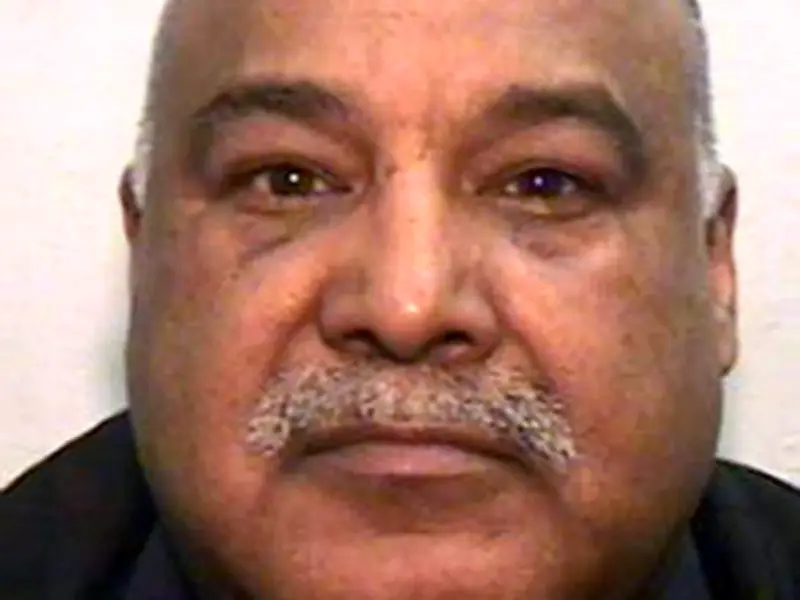
Home Secretary Shabana Mahmood has vowed to "work all avenues" to deport Shabir Ahmed, a convicted grooming gang leader, and pledged to change the law to remove a key obstacle preventing his removal from the UK. Ahmed was freed on July 2 after serving 14 years of a 19-year sentence for rape and sexual offences against girls, some as young as 12.
Government amendment to Immigration and Asylum Bill
Mahmood told the House of Commons that the government will amend the Immigration and Asylum Bill, currently going through Parliament, to repeal the 55-year-old legislation that currently bars criminals like Ahmed from being deported. She said: "The government intends to bring forward an amendment to this bill in response to the widely reported case of the vile grooming gang leader Shabir Ahmed."
The amendment would grant the Home Secretary a new power to apply Section 7 of the Immigration Act 1971 for serious criminals. Section 7 currently prevents the removal of Commonwealth citizens who have lived in the UK for more than 50 years. Mahmood noted: "This provides protections for long term UK residents, but clearly should not be acting as a bar against removal in cases like that of Shabir Ahmed. The threshold for this power would be tied to the power to deprive citizenship, which applies only in cases of exceptional severity."
Challenges with Pakistan's cooperation
Even if the law is changed, the UK cannot deport Ahmed without Pakistan's agreement to accept him. Islamabad has so far indicated it is not prepared to do so. Mahmood acknowledged: "It is important to note this does not guarantee his removal from this country. Those opposite (the Tories) know all too well from their own experience. But the Foreign Secretary (Yvette Cooper) and I will continue to work all avenues to pursue a deportation. I know the thoughts of everyone here are with the victims and survivors of this vile criminal."
The Prime Minister's official spokesman confirmed that changing the law is only the first step, adding: "The country of origin must agree to take these vile criminals back and that's why we're working across government to explore every option in this case." According to reports, the Pakistani government is demanding the extradition of two political dissidents from the UK in exchange for accepting Ahmed.
Visa restrictions as leverage
Earlier, justice minister Catherine Atkinson pointed out that visa restrictions have been effective in pressuring other countries. She told the BBC: "I think we've been clear that all options remain on the table where countries don't co-operate on the return of their nationals." She highlighted the Home Secretary's success in previous cases: "I think she threatened visa penalties for Angola, Namibia, and the Democratic Republic of Congo unless they took back illegal immigrants. And four months later, all three were co-operating."
Ahmed was sentenced in 2012 for his role in a grooming gang that targeted vulnerable girls. His release has sparked public outrage and renewed calls for stricter deportation laws for serious criminals.