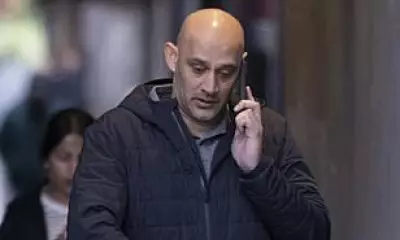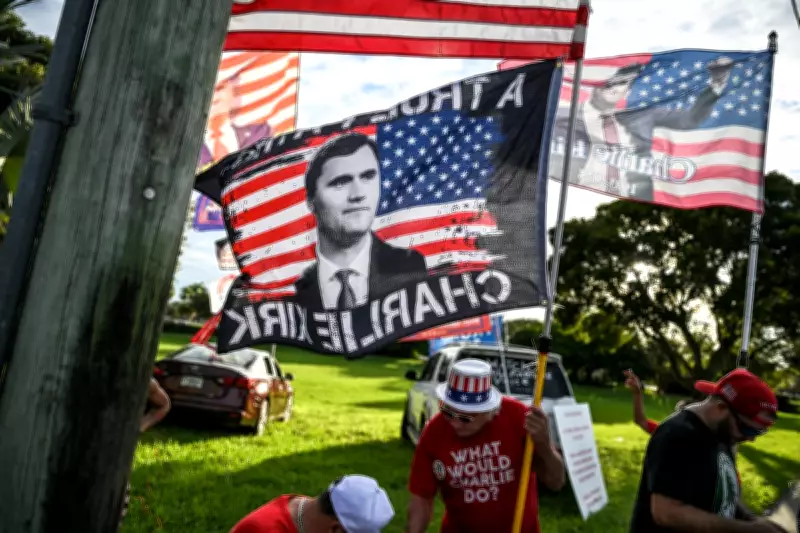
A Utah judge is poised to determine whether to limit public and media access to critical evidence in the upcoming preliminary hearing for Tyler Robinson, the 23-year-old accused of murdering conservative activist Charlie Kirk. The high-profile case has drawn national attention, with prosecutors pursuing the death penalty if Robinson is convicted.
Background of the Case
Charlie Kirk, a prominent conservative activist and founder of Turning Point USA, was fatally shot at Utah Valley University on 10 September 2025. Tyler Robinson was arrested shortly after and charged with aggravated murder. The incident sent shockwaves through the political community, and Kirk was posthumously awarded the Presidential Medal of Freedom.
Legal Arguments Over Access
Robinson's legal team has filed motions to restrict access to the preliminary hearing set for 6-10 July, as well as to seal dozens of exhibits. They argue that widespread media coverage could prejudice the jury pool and undermine Robinson's right to a fair trial. Prosecutors, while opposing a full closure of the courtroom, acknowledge that certain sensitive evidence should be shielded from public view.

Robinson has not yet entered a plea, and the case remains in its early stages. The judge's decision on Monday will determine the extent to which the public and press can access the evidence presented during the hearing.
Implications for Transparency
This ruling could set a precedent for balancing defendants' rights to a fair trial with the public's interest in open judicial proceedings. Media organizations have argued for transparency, citing the significant public interest in the case. Meanwhile, defense attorneys emphasize the potential for pretrial publicity to taint potential jurors.
The outcome is eagerly awaited by legal experts and observers, as it will shape how the case unfolds and how much information reaches the public before trial.