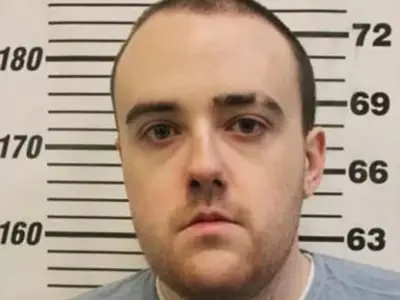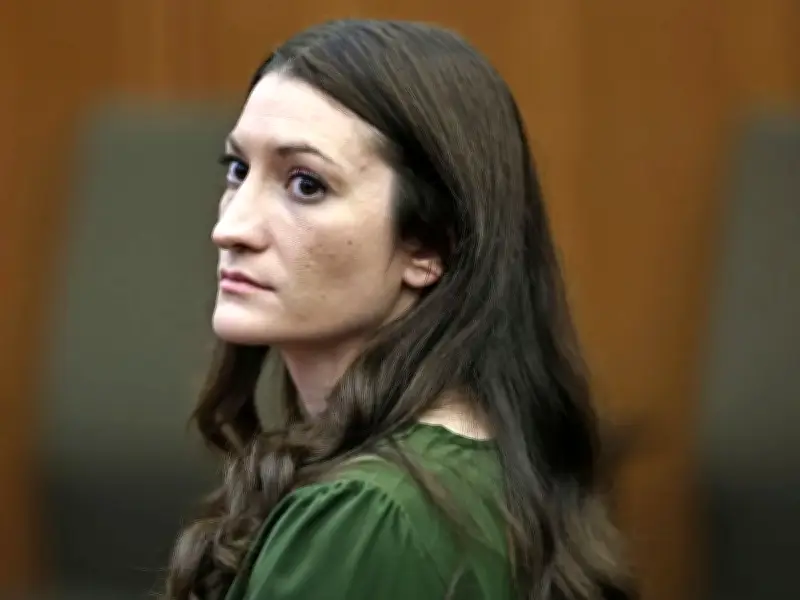
A Massachusetts judge urged restraint in court as Lindsay Clancy moved to dismiss charges that she murdered her three children, citing double jeopardy after her trial ended with a deadlocked jury.
This was Clancy's second court appearance since September, when the jury failed to reach a verdict. Her defence team filed the motion to dismiss, arguing that a retrial would violate constitutional protections against double jeopardy.
Heated Exchange Over Juror Allegations
The hearing grew tense as defence attorney Kevin Reddington pressed the judge to investigate the lone holdout juror, questioning his mobile phone use during deliberations and whether he had been truthful during jury selection. Judge William Sullivan repeatedly intervened as Reddington publicly identified the juror and raised allegations involving potentially confidential information.
Both lawyers raised their voices and spoke over each other as Reddington pushed back, saying the name was already "all over the internet," but he eventually stopped using it. "Why don't we all dial this back a little bit," Sullivan said at one point, calling the lawyers to a sidebar after prosecutors objected to Reddington's comments.
Judge Schedules Next Hearing
Sullivan did not immediately rule on the motion to dismiss and scheduled a November 16 hearing to consider the case and potentially set a retrial date. The judge said he is considering a trial date in around March and wants time to review the motions discussed, while not delaying the trial date discussion for too long.
Clancy has never disputed killing her three young children in 2023, but her lawyer has argued she had postpartum psychosis and was unable to control her behaviour. Prosecutors acknowledged that Clancy, 36, had mental health problems but said she acted deliberately and understood her actions were wrong.
Defence and Prosecution Arguments
At Monday's hearing, defence lawyer Martin G Weinberg argued that Sullivan should have investigated further after the jury foreperson sent two notes indicating that a juror was not following the rules. Further questioning could have revealed grounds to remove the lone holdout juror, Michael Desronvil, potentially avoiding the mistrial, he said.
After receiving the notes, Sullivan spoke with each juror, reminded them of their duties and explained what constitutes reasonable doubt. He asked whether they could apply the law to the case, and all said yes. However, Weinberg argued that the situation warranted questioning the foreperson separately to learn more about what was happening during deliberations.
Prosecutor Jennifer Sprague argued that Sullivan had struck the right balance in his handling of the jury. Pressing the foreperson further would have required delving into the substance of the jury's deliberations, potentially inserting the court's "interpretation of what is correct" into the process. "You were the one who looked them in the eyes and asked them the questions and was in the best position to judge their credibility," she told Sullivan. "And you credited their answers."
Post-Trial Statements and Gag Order Request
Since the trial ended, Desronvil said he was certain of Clancy's guilt but that no one would listen to him. Prosecutors argue that double jeopardy "does not bar the Commonwealth from seeking justice on behalf of the three victims." They argue it was unnecessary to investigate Desronvil, whom they don't name but describe as the dissenting juror, because the foreperson's complaint did not allege "any personal issue, bias, or extraneous matter attributable to the dissenting juror."
Singling that juror out, they argued, for an investigation "surely would have led to judicial coercion" and the "impermissible intrusion into the substance of the jury's private deliberations." In court Monday, Reddington alleged Desronvil had used a phone to research terms related to the case and questioned whether he had disclosed information about his criminal history that could have affected his selection for the jury - something that, if true, would be "a fatal infection of the independence, the honesty and the integrity of this juror."
Heather O'Connor, a lawyer representing Desronvil, said the defence had an opportunity to question the juror before trial, accepted him and began challenging his credibility only after he became the lone holdout. She also disputed the phone allegations, saying all jurors were allowed to keep their phones and that the account cited by the defence described Desronvil scrolling on his phone, not researching information about the case. "We are here because Juror Doe did not vote the way that the defence needed," she said. "If that's enough to put a juror under oath, to search their phone, to pull their history, then the lesson every future juror in this Commonwealth is simple: Agree with the majority or potentially be investigated."
Sullivan also heard arguments on prosecutors' request for a gag order restricting public statements by attorneys and their supporters that could prejudice future proceedings. Reddington has given numerous interviews and held near-daily news conferences during the trial, while prosecutors did not speak to reporters. Clancy's lawyers oppose the request, arguing it would amount to an unconstitutional prior restraint on speech, particularly because no new trial date has been set.