The Israel Defense Forces has officially confirmed the identification and recovery of the remains of the final hostage taken during Hamas' devastating October 7 attacks. This significant development brings a somber conclusion to the search for all individuals abducted during that fateful day.
Discovery in Northern Gaza Strip
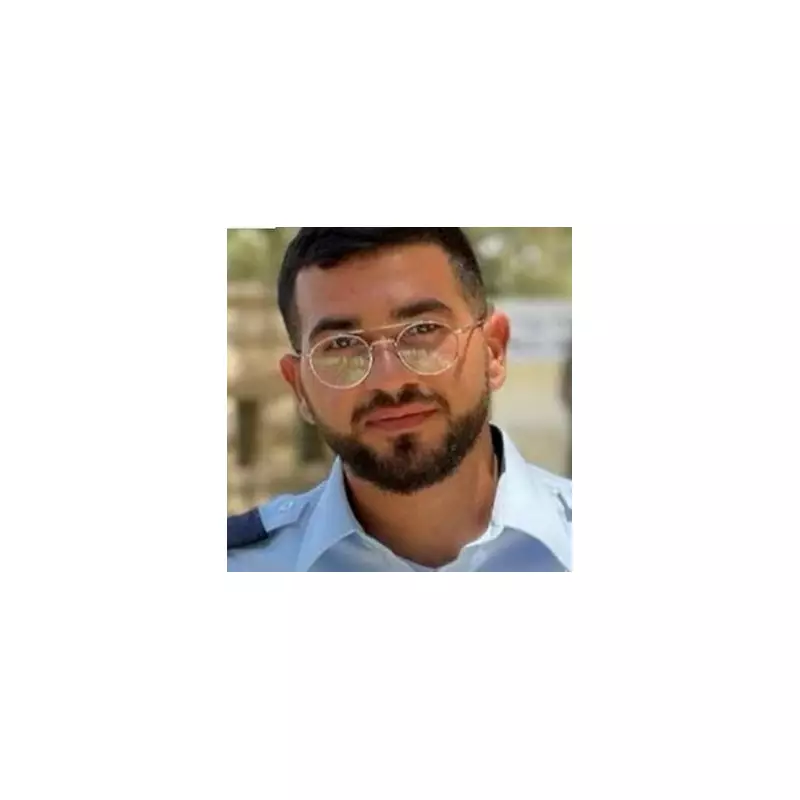
According to military statements, the remains of Ran Gvili were located and recovered from the Yellow Line area in the northern Gaza Strip. The IDF had previously indicated it was conducting intensive search operations in this specific region for the missing hostage, deploying specialized units to scour the territory.
Prime Minister's Tribute
Israeli Prime Minister Benjamin Netanyahu offered poignant words following the confirmation, stating: "Ran, hero of Israel — he went in first and came out last. This is a great achievement." The Prime Minister's statement reflects both the emotional weight of this discovery and its strategic importance to Israeli authorities.

Context of the October 7 Attacks
The October 7 attacks represented one of the most severe security breaches in Israel's recent history, with Hamas militants crossing the border and taking numerous hostages back to Gaza. The identification of Ran Gvili's remains marks the conclusion of the recovery efforts for all hostages from that attack, though the broader conflict continues.
Military analysts note that such recovery operations in active conflict zones present extraordinary challenges, requiring precise intelligence and careful execution. The successful identification of the final hostage remains represents a significant operational milestone for the IDF despite the ongoing hostilities in the region.
Ongoing Military Operations
While this specific recovery mission has concluded, Israeli forces continue operations throughout Gaza. The confirmation of Ran Gvili's recovery comes amid broader military activities in the territory, with the IDF maintaining its presence in multiple sectors as part of its ongoing campaign against Hamas infrastructure and personnel.
The identification process involved forensic specialists and intelligence units working in coordination to verify the remains. Such procedures are critical not only for providing closure to families but also for maintaining accurate records of conflict casualties and missing persons.