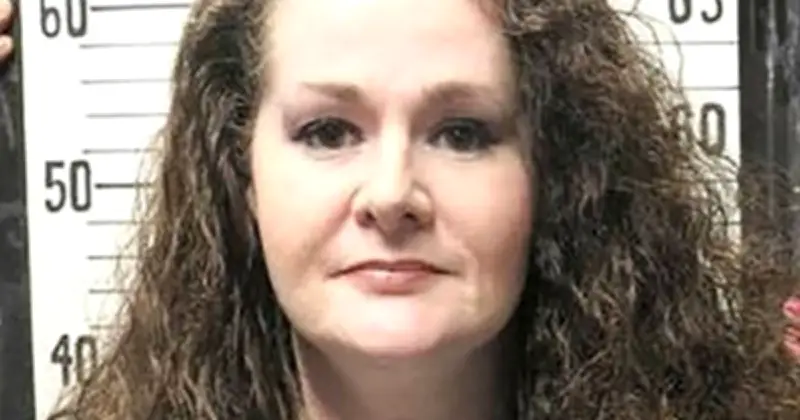
Christa Pike has been hospitalised at least once since being returned to prison following her failed execution, according to a personal declaration obtained by PEOPLE.
In October, Pike, 50, survived two substantial doses of pentobarbital after the US state of Tennessee attempted to execute her for the 1995 killing of classmate Colleen Slemmer. The lethal drugs failed to end her life, instead leaving her arms burned and blistered.
Failed execution and recovery
According to 911 dispatch recordings, it took 31 minutes for prison officials to confirm that a request for emergency medical assistance was legitimate after confusion between prison staff and first responders delayed the response.
Following the botched execution, Pike spent days unconscious and on a ventilator in intensive care. Doctors feared she had suffered brain death. Yet she defied expectations by regaining consciousness, began speaking, and was discharged from a Nashville hospital on October 9.
Health concerns and prison conditions
In her declaration, Pike revealed she has already "returned to the hospital emergency room once" but "was not readmitted for inpatient care." She states she is finding it difficult to readjust to prison life, with her primary concern being her health and well-being.
She alleges she is being compelled to perform duties that place her at a "high risk of infection and further injury," including cleaning a "roach-infested shower." Pike states that while she wishes to return to the prison population, she cannot go back to the pod where she was previously accommodated before her failed execution.
Safety concerns and legal motion
"This pod houses inmates with significant histories of assaults and disciplinary problems. In my two years living in this pod after entering into the settlement, I witnessed multiple assaults by close custody inmates of other inmates and guards, multiple individuals who were undergoing acute psychological breakdowns, and significant danger," Pike explains.
Pike argues that given her "current physical condition," it would be unsafe to accommodate her in that pod. "I could not defend myself or get away if another inmate attacked me," Pike writes. "I am afraid that I will be seriously hurt if I am moved to that pod while I am this weak."
Pike indicates she would prefer to participate in "group meals, group classes, lobby time, group religious services, work assignments, or shared recreation." Currently, she remains isolated in the infirmary throughout her time except for consultations with her legal team. The presiding judge has granted the defendants until November 4 to respond to Pike's motion.