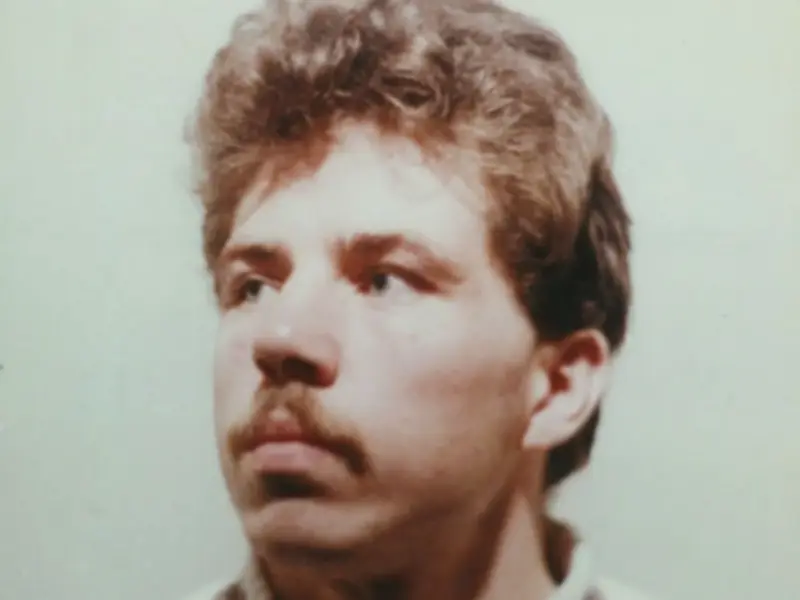
Convicted killer Billy Dunlop could face GPS tagging, a curfew, and polygraph tests if released from prison, a Parole Board hearing has revealed. The 63-year-old, who strangled 22-year-old Julie Hogg in her Billingham home in November 1989, appeared before a panel for the first time after applying for release.
Strict Conditions Outlined
During the two-day hearing held this week, licence conditions were set out in detail. Dunlop would spend 12 months in a specialist community forensic hostel, under the supervision of the National Probation Service, which manages the most serious offenders.
He would face a curfew from 8pm to 7am, daily sign-ins at 11am and 3pm, and GPS monitoring for 18 months, with exclusion zones across Teesside and the North East. Additional conditions include drug testing, room searches, breathalyser tests, and restrictions on associating with known sex offenders. He must also provide details of any vehicles he has access to and inform his community offender manager of any relationships.
A polygraph test would be required within three months of release, with further tests within six months if he passes, or within three months if he fails.
Family's Concerns
Julie Hogg's mother, Ann Ming, questioned the recommendations from professionals who supported Dunlop's release. "Would they want him living next door to them?" she asked, adding that Dunlop is a "cold, calculated killer and he always will be."
Ming noted that after his wrongful acquittal, Dunlop "tried to kill another man and woman" and was jailed for seven years for a section 18 wounding offence. She said, "Time won't change the person to me. Where are they coming from to think he is alright to go into the community?"
Background and History
Dunlop concealed Hogg's body behind a bath panel, discovered by her mother months later. He was charged with murder, but two juries failed to reach a verdict. In 1999, while serving a sentence for a violent assault, he boasted about the double jeopardy law, which prevented retrial. He received a six-year sentence for perjury.
The law was abolished following a campaign led by Ann Ming, and in 2006 Dunlop was sentenced to life with a minimum tariff of 17 years. His violent past includes a 1997 short prison term for threats to kill and a 1998 seven-year sentence for two counts of section 18 offences.
Nick Coleman, chairman of the panel, said evidence indicated that from about 1988 to 1998 Dunlop was "drinking heavily and committing numerous offences of violence, for which he was not prosecuted." He added that Dunlop "cultivated notoriety" and many of the people he injured were frightened of reporting him.
The panel's decision is expected within 14 days.