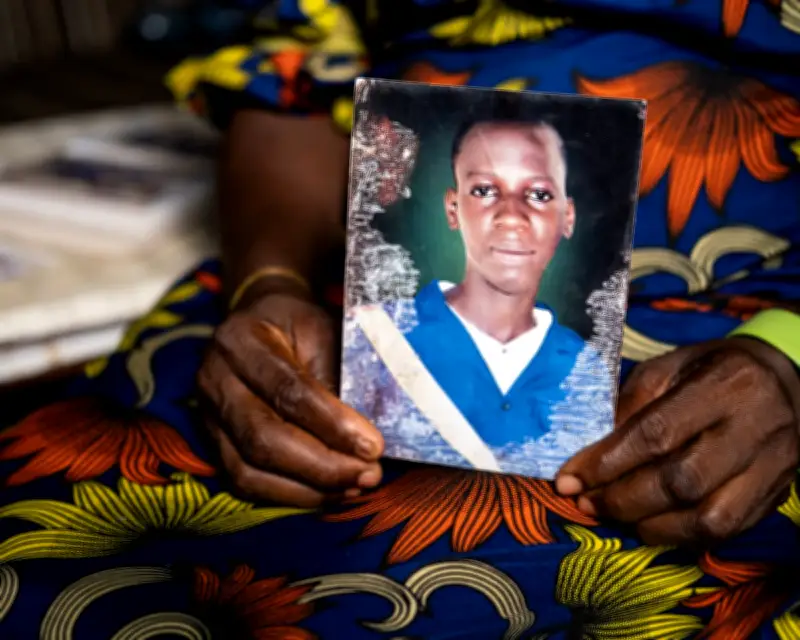
Bosede Onifade has spent six years seeking justice for her son, Pelumi Onifade, a 20-year-old journalist killed while covering the #EndSars protests in Lagos State, Nigeria, in October 2020. His body has never been released, and no one has been held responsible.
Mother’s Agony Over Missing Body
Sitting in her family's two-bedroom apartment on a sweltering Sunday afternoon, Bosede says she is tired of waiting for news about her son. Pelumi has been missing for six years. The last time she saw him was on the morning of 24 October 2020. An intern with Gboah TV, he was excited to cover the #EndSars protests against police brutality.
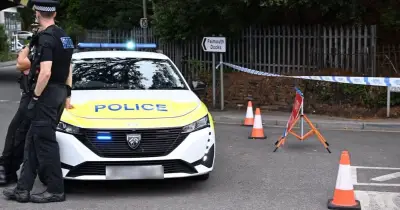
According to witnesses, Pelumi was filming a demonstration in Abule Egba when he was hit by a bullet. Members of the Lagos police taskforce allegedly dragged him into a van with arrested protesters. Bosede, family, and friends searched for him until a relative found his body in a morgue in Ikorodu on 30 October. But by the time the family arrived, the body was gone.
“We want them to release his body. If they have already killed him; they should give his body to us to bury,” Bosede says, sobbing.
Failed Efforts to Retrieve Body
The family has attended judicial panels of inquiry, supplied a DNA sample, and attended court hearings, all to no avail. The then federal police spokesperson, Olumuyiwa Adejobi, said in 2020 that Pelumi's death had been reported to a panel of inquiry. In 2024, the Lagos State government told the Committee to Protect Journalists (CPJ) that an internal investigation was under way.
On 24 June 2026, a coroner's inquest confirmed that body tag 1385, seen at the mortuary, was Pelumi, matching a DNA sample from his mother. The case has been adjourned twice, until 29 July.
Background of #EndSars Protests
Thousands of Nigerians protested in October 2020 against the Special Anti-Robbery Squad (Sars), a police unit created in 1992 notorious for crimes including kidnapping, extrajudicial killings, and rape. The protests lasted over two weeks, demanding Sars disbandment, responsible governance, and police reforms. Authorities responded with force, including the Lekki massacre, where at least 12 protesters were killed. Amnesty International said at least 56 people were killed during the protests.
Nigeria's then information minister, Lai Mohammed, denied the Lekki killings, calling it a “phantom massacre.” One year later, after a damning judicial report, he described the findings as “riddled by many errors, discrepancies.”
Sars was disbanded on 11 October and replaced by Special Weapons and Tactics (Swat), but public distrust persisted. Inquiry panels found security agents responsible for shootings and abuses, but no one has been held accountable.
Impact on Family
Pelumi, a second-year mass communication student, had been interviewing protesters after a crowd broke into a warehouse storing Covid-19 relief equipment. “He was not doing anything wrong, and even if he was doing something wrong,” says Bosede, “they could have arrested him and not killed him in cold blood.”
The lack of closure has caused Bosede to lose weight, suffer memory lapses, and experience depression. “If this is what those in government do to other people’s children, one day they will have a taste of their medicine,” she says, quoting a Yoruba adage implying divine judgment.
Isa Sanusi, director of Amnesty International in Nigeria, said it is completely unacceptable that Pelumi's family has been denied justice and a proper funeral. “The fact that the government is not yielding to this basic demand shows utter disdain for the pain of a victim of atrocity and his family,” he says.
Pelumi’s Legacy
Pelumi was the eldest of three siblings and the only son. He loved bean porridge and was active in the community and church. “He is a gentle and responsible boy; he does not fight and never gets angry. He is jovial, and they like him everywhere he goes,” says Bosede.
Bosede now raises her two daughters with income from selling homemade ogi, as her husband's electrician business struggles. “They said they would give families of the victims some money, but will it bring my son back to life?” She shakes her head slowly. “But at least we can use it to take care of his siblings.”
Pelumi's sister, Beauty, says she misses him every day. “He always shares even when he does not have enough. No matter what it is, he always has a smile on his face, and that is what I miss with him.”
Sanusi says Pelumi's case reflects the wider threat journalists face from security agencies when covering peaceful protests. “The killing of Onifade is one of many examples of the consistent danger faced by journalists while doing their job,” he says.
In Iyana Ipaja, Bosede tells people not to stop calling her Mama Pelumi. “Many people try to start calling me by his siblings’ names; I tell them not to do it because his name will never depart from my household,” she says.